Tyntesfield, transparencia y la trata de esclavos chinos (2)

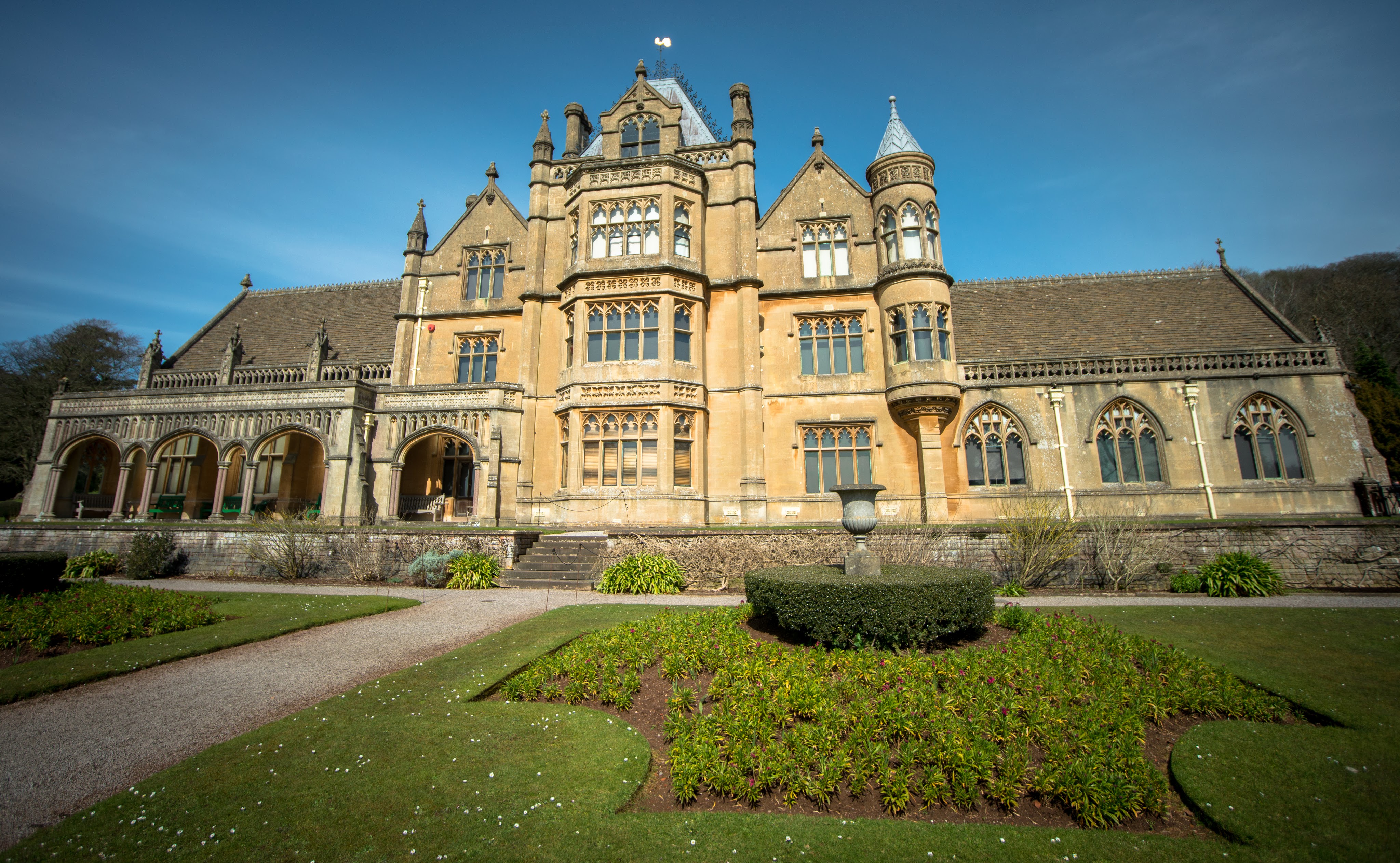
Elevación frontal de Tyntesfield. Wikimedia Commons. Foto por Bs0u10e01

Hace unas semanas vi un programa en el Channel 5 de Gran Bretaña. Se llamaba Secrets of the National Trust (Los secretos de la National Trust) en el que el presentador, Alan Titchmarsh, elogiaba a William Gibbs, el hombre que hizo construir Tyntesfield, su casa señorial.

Titchmarsh describió Gibbs como un cristiano maravilloso, un hombre amable y respetable, un hombre que había amasado una fortuna de una manera tanto ingeniosa como cómica: se le había ocurrido importar a Inglaterra una cantidad ingente de caca de pájaro del Perú, y lo había hecho unos 74 años antes de que se abriera el canal de Panamá; había traído en barco, cientos de miles de toneladas de excrementos casi 20 mil kilómetros por mar del Perú a Inglaterra y la había vendido por un dineral. ¡Qué hombre tan ingenioso e inofensivo!

Escribí a la National Trust y Channel 5 diciéndoles que cabía puntualizar que miles de chinos secuestrados tuvieron que morir en un campo de concentración para que Gibbs pudiese construir su fabulosa mansión y fue imposible que Gibbs no supiera nada de las condiciones de trabajo de los mineros. Era de conocimiento general entre los capitanes y las tripulaciones, los representantes de los exportadores (Gibbs era solo uno de muchos exportadores internacionales), los periodistas y diplomáticos. Incluso, existían fotos y dibujos del secuestro, abuso y tortura de los chinos.

Hay un buen resumen de los acontecimientos en inglés en The History of the Peruvian Guano Industry y se lo puede encontrar en el blog Jeff’s Travels at https://yaffle53.wordpress.com/2014/05/22/a-history-of-the-peruvian-guano-industry/. Incluye fotos y dibujos de la época.

Gibbs sabía lo que hacía, pero se sentía protegido por la ética cristiana victoriana. En la Gran Bretana del siglo 19 la desigualdad racial era un hecho aceptado. Sí, se había abolido la esclavitud negra pero eso no quería decir que los victorianos creyeran que la gente negra fuera su igual. Los negros eran reconocidos como seres humanos pero no eran los iguales del hombre blanco. Eran los recipientes de la simpatía de los abolicionistas, pero, al fin y al cabo, pertenecían a una raza inferior. No merecían ser tratados como animales pero eso no quería decir que tuvieran el derecho de considerarse los iguales del hombre blanco. Así fue con los chinos también.

Desde esa creencia generalizada en la inferioridad de otras razas fue un paso muy corto al desprecio. Y el desprecio por otros seres humanos lleva rápidamente a una indiferencia a su destino y lo que pudieran sufrir antes de su muerte.

Como buen cristiano, William Gibbs rezaba y se dejaba guiar por Dios. Todo formaba parte del eterno plan del Señor para el desarrollo del mundo. Según la lógica del día, Dios había creado los animales para servir a los seres humanos y había creado las razas humanas inferiores para ser instruidas y dominadas por los blancos. Por desgracia, algunos tendrían que dar su vida por el mayor beneficio de la humanidad (es decir, la humanidad blanca) y así cumplir la voluntad de nuestro Hacedor.

Recibí contestas de las oficinas de atención al cliente. Las dos respuestas, tanto la del Channel 5 como la de la National Trust tienden a ser algo formulaicas: están escritas en el lenguaje de las relaciones públicas; están diseñadas a tener un efecto tranquilizador; emplean eufemismos en vez de llamar las cosas por su nombre.

La portavoz de la National Trust escribió así:

“Somos conscientes por toda la National Trust que nos queda más por hacer en el análisis de las fuentes de la riqueza detrás de los edificios de que somos los guardianes. El programa se rodó hace 2 años y siguió la pauta según la cual representábamos a la casa y la familia en aquel entonces. Ahora, en todas las posesiones de la National Trust, estamos acelerando nuestros esfuerzos para investigar y destacar los lazos al colonialismo y la esclavitud, y como se adquirieron las riquezas que permitieron su construcción. Ahora en Tyntesfield estamos intentando hablar más sobre la historia horrorosa de la industria guanera y como la familia Gibbs se benefició de ella. El año pasado, por ejemplo, se presentó en Tyntesfield una muestra fotográfica de Olli Hellman, “$tow High en Transit”, que destacó la disparidad entre la riqueza de Tyntesfield y la decimación de las islas Chincha en que se minaba el guano. Esta muestra era temporal. Sin embargo, la interpretación continúa para que se asegure que podemos presentar una historia fiel, abierta e inclusiva de la mansión y sus lazos a la industria guanera.

A fin de abordar sus inquietudes, hemos hablado con los de Channel 5, y le van a escribir a usted, informándole que van a introducir una modificación al programa que refleje este punto de vista.

Por último, puede interesarle saber que a mediados de septiembre vamos a publicar un informe que destaca los lazos entre la esclavitud y el colonialismo en nuestros lugares en Inglaterra, Gales y el Norte de Irlanda; además este informe nos permitirá a poner al día las páginas web de nuestras propiedades y las explicaciones que se ofrezcan en los edificios mismos.

Gracias por tomar el tiempo para escribir a nosotros, y por compartir sus inquietudes. Espero que usted quede asegurado que hayamos hecho un compromiso para garantizar que estas historias se cuenten entera y honestamente.”

Ella dice que “El programa se rodó hace 2 años y siguió la pauta según la cual representábamos a la casa y la familia en aquel entonces”. Evidentamente, la portavoz no ha leído la guía de la National Trust de 2020 en la que se dice que la casa “fue creada para la familia Gibbs para que celebraran sus logros, criaran a sus hijos y compartieran su dedicación a la familia y la fe” y la historia de William es de “un amor joven …..una familia estrechamente unida, y la creación de una gran fortuna”.

No, aquí en la guía actual, no hay ninguna mención de los chinos que obligaron a trabajar hasta que murieran.

En su email la portavoz escribe también de la exposición, $tow High in Transit, una decena de yuxtaposiciones fotográficas en las que se contrastaban la riqueza de la casa y el jardín de Tyntesfield con los estériles y cáusticos entornos de las islas Chincha. Estas fotos estaban expuestas en caballetes esparcidas por toda la casa. No tenían ni explicación ni pies y no ilustraban la vida de los mineros. A falta de ninguna otra explicación, habría sido muy fácil que un visitante a la casa concluyera de las fotos que William Gibbs era nada menos de un genio y prestidigitador que había hecho aparecer una fortuna como por arte de magia y sin causar daño a nadie.

Es todavía más difícil creer que la National Trust haya hecho borrón y cuenta nueva cuando acaban de grabar, hace unas semanas, otro programa sobre Tyntesfield en el que incidieron en los mismos errores de siempre.  Esta vez lo han hecho en colaboración con el Channel 4. En la última entrega de George Clarke’s National Trust Unlocked (13/09/20) le pintan a William Gibbs como un comerciante muy exitoso que hizo su agosto vendiendo un montón de caca de pájaro. Una vez más, vemos la misma inocencia y los mismos tópicos, oímos la mismísima “nota de humor” y oímos la misma versión expurgada de lo que realmente pasó. Qué reconfortante.

Los del Channel 5 me enviaron esto:

“Channel 5 agradece todas las opiniones de sus espectadores y gracias por tu email y tus observaciones acerca de Tyntesfield y sus vínculos con los mineros esclavidos. Hemos examinado esta cuestión. Rodamos este programa hace más de un año y nos dejamos guiar por la Trust y la manera en la que, en aquel entonces, ellos presentaban la historia de la casa y la familia. No creemos que el programa fuera engañoso, pero sí reconocemos que era lamentable no reconocer la pésima situación de los trabajadores que cosechaban el guano. Tenemos entendido que la Trust ahora está reconsiderando la manera en que se presenta el pasado de sus propiedades, y está acelerando sus esfuerzos para investigar y presentarlo al público en el contexto de las historias mundiales, explicando a la vez, las fuentes de la riqueza con las que los edificios se construyeron y se amueblaron. A fin de reflejar eso, vamos a añadir una ficha al programa para explicar este aspecto de la historia y la respuesta de la Trust. De vez en cuando Los secretos de la National Trust tiene un estilo bastante desenfadado y el programa se concentra en las casas y sus secretos físicos, pero, sobre las tres series el programa ha reconocido los vínculos a la esclavitud y las relaciones con el pasado imperial británico.  Sin embargo, lamentamos que no lo hicimos en este caso particular. Te agradecemos que hayas llamado nuestra atención a este punto.”

Pedí dos veces una clarificación del término “añadir una ficha” pero el personal de Channel 5 no se dieron la molestia de responder. Creo que se trata de insertar un texto, un comentario o talvez un enlace a una página web.

El portavoz dice también que “era lamentable no reconocer la pésima situación de los trabajadores que cosechaban el guano”. Cosechar es un verbo que suscita imágenes románticas de campesinos que siegan campos de trigo dorado o recogen a mano las frutas y verduras de una huerta. Cosechar no es un verbo que describe la realidad de los mineros de las Chinchas quienes fueron forzados a trabajar en condiciones infrahumanas hasta que murieran de agotamiento, tortura y enfermedad. El mero uso del verbo indica la falta de comprensión por parte del portavoz.

Este es un tema central de la historia de Tyntesfield. No es suficiente que añadan una ficha. El programa debería volverse a grabar para explicar debidamente la verdadera relación entre Tyntesfield y la manera en la que se amasaron los fondos para su construcción.
Tyntesfield, Transparency and the Chinese Slave Trade (2)

Photo by Bs0u10e01 from Wikimedia Commons: Front elevation of Tyntesfield, near Bristol UK

A few weeks ago, I watched Secrets of the National Trust, a Channel 5 programme on which the presenter, Alan Titchmarsh, was praising William Gibbs, the man who built Tyntesfield.

Titchmarsh described Gibbs as a marvellous Christian, a kind and respectable man who had amassed a fortune in a way that was as ingenious as it was comical: it had occurred to Gibbs to import into England an enormous quantity of bird poo from Peru, and he had done so some 74 years before the opening of the Panama Canal. He had brought hundreds of thousands of tons of excrement more than 12 thousand miles by sea from Peru to England and he had sold it for a mint. What an ingenious and inoffensive man!

I wrote to the National Trust and to Channel 5 saying that it was worth pointing out that thousands of kidnapped Chinese miners had to die in a concentration camp in order that the Gibbs family could make the money to build its fabulous mansion and it was impossible that Gibbs was unaware of the working conditions of the men. It was common knowledge amongst the captains and the crews, the exporters’ agents (Gibbs was only one of many international exporters), journalists and diplomats. There even existed photos and sketches of the kidnapping, abuse and torture of the Chinese.

The History of the Peruvian Guano Industry is a good summary of events and is to be found on the WordPress blog, Jeff’s Travels at https://yaffle53.wordpress.com/2014/05/22/a-history-of-the-peruvian-guano-industry/. It includes photos and drawings from the time.

Gibbs knew what he was doing but he felt protected by Victorian Christian ethics. In the Great Britain of the 19th century racial inequality was an accepted fact. Yes, black slavery had been abolished but this did not mean that black people were the equals of whites. They were the recipients of the abolitionists’ sympathy but, at the end of the day, they belonged to an inferior race. They didn’t deserve to be treated as animals but that didn’t mean that they had the right to consider themselves the equals of the white man. It was the same with the Chinese.

From this general belief in the inferiority of other races, it was a short step to contempt. And contempt for other human beings leads rapidly to an indifference to their fate and what they might suffer before their death.

As a good Christian, William Gibbs prayed to God and was guided by Him. Everything formed part of the Lord’s eternal plan for the development of the World. According to the logic of the day, God had created the animals to serve human beings and had created the inferior human races to be instructed and dominated by the whites. Unfortunately, would have to give their lives for the greater good of humanity (that’s to say, white humanity) and in this way fulfil the wishes of our Maker.

I received replies from the customer service desks of Channel 5 and the National Trust. Both responses tend to be somewhat formulaic: they are written in the language of public relations; they are designed to have a soothing effect; they employ euphemisms instead of calling things by their name.

The spokesperson for the National Trust wrote:

“We are aware that across the National Trust we have more work to do to address the sources of wealth at the places we look after. This programme was filmed 2 years ago and followed the way that, at that time, the story of the house and family was presented by us. We are now accelerating the work we are doing across all National Trust properties to research and highlight links to colonialism and slavery and how the wealth was acquired that built and furnished them. At Tyntesfield we are now working to do more to talk about the horrific history of the guano industry and how it brought wealth to the Gibbs family. For example, last year the property hosted an exhibition of photography by Olli Hellman, $tow High in Transit, which explored the disparity between Tyntesfield’s wealth and the decimation of the Chincha islands where the guano was mined. This display was a temporary exhibition, however, further interpretation is currently being researched to ensure that we can present an accurate, open and inclusive history of the property including the link to the guano industry.

In order to address your concerns we have spoken to Channel 5 who will be making you aware that they are adding an amendment to the episode for future broadcasts that reflects this position.

Finally, you may be interested to know that we are publishing a report in mid-September that highlights slavery and colonialism connections at National Trust places in England, Wales and Northern Ireland and which will also enable us to update property websites and on-site interpretation to take account of the report’s findings.

Thank you for taking the time to write to us, and for sharing your concerns, I hope you are reassured that we are fully committed to ensuring these stories are more fully and honestly told.”

She says that “This programme was filmed 2 years ago and followed the way that, at that time, the story of the house and family was presented by us.” Evidently, she has not read the 2020 guide to the National Trust in which it says that the house “was created for the Gibbs family to celebrate their achievements, raise their children and share their passions for family and faith” and the story of William is of “young love… a close-knit family and the making of a vast fortune”.

No, here in the present guidebook, there is no mention of the Chinese who were forced to work until they died.

The spokesperson also mentions the exhibition, $tow High in Transit, ten photographic juxtapositions which contrast the richness of the house and garden at Tyntesfield with the sterile and caustic surroundings of the Chincha Islands. These photos were exhibited on easels scattered around the house. They had neither captions nor explanations and they didn’t illustrate the life of the miners. In the absence of any other explanation it would have been very easy for a visitor to the house to conclude from the photos that William Gibbs was no less than a conjuror and a genius who had made a fortune to appear as if by magic and without causing anyone harm.

It’s even more difficult to believe that the National Trust has turned over a new leaf when they have just recorded, a few weeks ago, another programme about Tyntesfield in which they fall into the same old ways. This time they’ve collaborated with Channel 4. In the latest episode of George Clarke’s National Trust Unlocked they portray William Gibbs as a very successful merchant who made his pile selling a pile of bird poo. Once again, we see the same innocence and the same clichés, it strikes the very same “humorous note” and we hear the same old bowdlerised version of what really happened. How comforting.

Channel 5 sent me this:

“Channel 5 appreciates all viewer feedback and thank you for your letter and your observations about Tyntesfield, and its links with enslaved miners. We have looked into this. The programme was filmed more than a year ago and we were guided by The Trust and the way they, at that time, presented the story of the house and family. We don’t feel the programme was misleading, but we accept that it was unfortunate not to acknowledge the terrible situation of the workers who harvested the Guano. We understand that the Trust is now reappraising the way it presents its building’s stories, and is now accelerating work at its properties in researching and bringing to the public the wider world histories, and the sources of wealth that built and furnished them. To reflect this, we are adding a card to the programme to explain this element of the story and the Trust’s response. Secrets of The National Trust does have a quite light hearted approach to its stories on occasion, and mainly concentrates on the houses and their physical secrets, but over three series it has acknowledged the links to slavery and connections with Britain’s imperial past on many occasions. However, we regret that this was not done in this particular programme. Thank you for bringing this to our attention.”

I twice requested a clarification of the term “add a card” but the staff at Channel 5 couldn’t be bothered to reply. I believe that it means to insert a text, a commentary or perhaps a link with a web page.

The spokesman also claims that “it was unfortunate not to acknowledge the terrible situation of the workers who harvested the Guano.” To harvest is a verb which conjures up images of rural folk who reap fields of golden wheat or pick by hand the fruit and vegetables in a market garden. Harvest is not a verb that describes the reality of the miners on the Chincha islands who were forced to work in subhuman conditions until they died from exhaustion, torture and illness. The mere use of the verb indicates a lack of understanding on the part of the spokesman.

This is a central issue of the history of Tyntesfield. It is not sufficient to “add a card”. The programme should be recorded again in order to explain the true relationship between Tyntesfield and the way in which the funds were produced for its construction.

Covid 19: A lo único que debemos temer es al temor mismo

(English version below)

El abril de 2020 fue el mes dramático en el que el Covid 19 irrumpió en el Reino Unido. Hizo estragos e infundió pánico a la ciudadanía.

Desde ese momento en adelante la enfermedad empezó por la senda de declive.  Ahora, cinco meses después de su erupción, la infección languidece en la lenta manera típica de cualquier epidemia, desapareciendo a la derecha del gráfico como una línea cada vez más plana.

A pesar de esto, no hay ningún sentido de alivio generalizado. Más bien, hay una reacción paradójica.

Cuanto más baja la tasa diaria de muertes*,

Cuanto más se desciende la cifra de gente ingresada*,

Cuanto más se reduce la cantidad de los pacientes que requieren ventilación mecánica*,

…….más se incrementa la histeria.

Acabamos de volver, un amigo y yo, de una semana en Cornualles, un condado atlántico que se parece un poco a Galicia. No hay mucha industria por ahí y es un lugar que depende del turismo. Hasta hace poco el turismo se quedó suspendido a causa del virus. Antes de que se levantara la suspensión las advertencias gubernamentales dieron un susto de muerte a la gente local y las cámaras de comercio de la comarca: Iban a punto de recibir una invasión de zombis. 

El primer día de nuestras vacaciones decidimos dar un paseo a la playa. Estaba comenzando a llover y decidimos echar el atajo que nos llevaba por un prado. Notamos que una pareja de ancianos estaba observándonos desde una colina en medio del campo que atravesábamos. Antes de que llegamos a su altura ellos se alejaron exageradamente del sendero, apartándose varios metros de nosotros. La señora se dirigió a nosotros en un tono sarcástico:

“¿Llevan con ustedes el gel antiséptico que necesitarán para limpiar sus manos antes de que agarren la verja?” Pues, yo no esperaba tanta hostilidad y su brusquedad me dejó estupefacto Y no sabía cómo responder. Decidimos fingir que no habíamos oído sus palabras y pasamos de largo.

En el pequeño pueblo en que habíamos alquilado un apartamento el temor de contagio estaba muy, muy alto. No estábamos permitido tomar café en la cafetería. Teníamos que pedir un café para llevar, y lo hacíamos a la puerta del local, solicitándolo por una ranura de buzón que habían cortado en el centro de una gruesa lámina de plástico que cubría la puerta.  Al otro lado de la lámina protectora estaba una mujer que llevaba delantal, mascarilla y guantes desechables.  Un segundo empleado, que iba ataviado de manera similar, entregó el café dejándolo en otra ventanilla de dimensiones parecidas a las de la primera, la única diferencia siendo que esta vez la ranura estaba orientada verticalmente.

Muchas personas siguen muy preocupadas y desconfían de la gente con la que se cruzan en la calle. Andan con cara de pocos amigos. Cambian de acera para no tener que hablar con sus vecinos. Se muestran agresivas cuando creen que otros no mantienen la distancia. Hay mucha gente que nunca se quita la mascarilla por los riesgos de contaminación, hasta cuando conducen con las ventanillas cerradas; se parapetan detrás del volante, sus ojos revelando una mezcla de resentimiento, inquietud y paranoia; parecen estar en fuga.

Estoy preocupado por la salud mental de los ingleses. Alguien describió el carácter inglés como “cortés pero hostil”. La descripción tiene un fondo de verdad. Nuestro carácter ya es receloso, reservado y distante. ¿Cuáles serían las consecuencias para nosotros si pasáramos un período prolongado en el que nos acostumbráramos a rechazar todo contacto con los demás? ¿Nos volveríamos aún más xenófobos, aún más renuentes a participar con otras naciones y aún más aislados personal y nacionalmente?

Según muchos expertos (si hay expertos en esta pandemia) parece posible que nunca vamos a eliminar el virus por completo. Puede que la línea del gráfico jamás sea plana del todo.

En el comienzo, el virus causó un elevado número de víctimas mortales entre el personal médico y enfermero y entre otros trabajadores (por ejemplo, conductores de autobuses), gente que tuvo una exposición prolongada a la infección. También, afectó desmesuradamente a los obesos, los enfermos crónicos y los que tuvieron el sistema inmunitario debilitado. Y por supuesto, impactó mal en la gente desfavorecida de este país, la gente que lleva una vida más precaria, más hacinada, peor nutrida y con menos acceso a la atención médica.

Recientemente el número de personas positivas está en alza. Pero, a la vez el número de pruebas ha proliferado. Y esto puede tener algo que ver con la subida de la tasa de detección. Por fortuna, las muertes, los pacientes ingresados y los que necesitan ventilación asistida siguen a la baja.

Con el número de personas que ya han tenido el virus, los que lo han contraído recientemente y los que todavía no lo hayan padecido pero que hacen cola sin saberlo, parece que por fin nos estamos acercando a una solución: vamos derivando, de manera lenta pero segura, hacia una inmunidad colectiva. Y si esta no se produce pronto, los asesores gubernamentales nos aseguran que hay en camino una campaña de vacunación.

Por supuesto van a producirse rebrotes. Además, los virus mutan cuando quieran. Sin embargo, en un futuro no demasiado lejos, el Covid 19 y sus derivaciones pasarán a ser nada más que nuevos miembros de la pandilla de enfermedades seudogripales que acechan a los debilitados que ya no puedan resistir; a los ya afligidos de otras enfermedades terminales; a los que se acerquen al final de sus días. El Covid se convertirá en un ejemplo más de las muchas enfermedades letales que se emboscan para sorprendernos con la dosis letal. Ya no será la peste mortífera que la creíamos en su cenit, la plaga bubónica que amenazaba con diezmar la población del mundo, sino otro disfraz que lleve la parca cuando nos abofetee en el último momento con el golpe de gracia.

Tenemos que morir de algo. Entonces, a un punto indeterminado en el futuro, tendremos que aceptar el virus, aprender a bajar la guardia y seguir con nuestras vidas.

Ojalá decidamos hacerlo más pronto que tarde. Ojalá se acabe nuestra pusilanimidad cuanto antes.

Deberíamos recordar las palabras de Franklin Roosevelt en su discurso en la ocasión de su inauguración como presidente de EEUU en 1933, otro año de crisis global; una crisis causada no por una pandemia sino por la Gran Depresión;

“Por tanto, ante todo, permítanme asegurarles mi firme convicción de que a lo único que debemos temer es al temor mismo, a un terror indescriptible, sin causa ni justificación, que esta paralizando los esfuerzos necesarios para convertir el retroceso en progreso.”

* https://coronavirus.data.gov.uk/

Covid 19: The only thing that we have to fear is fear itself

April 2020 was the dramatic month in which Covid 19 burst upon the United Kingdom. It caused havoc and spread panic amongst the population.

From that time onwards the illness began its downward path. Now, five months after its eruption the infection languishes in the gradual way of all viruses, slowly flatlining to the right of the graph.

Despite this, there is no generalised sense of relief. Rather, there is a paradoxical reaction.

The more that the daily death rate declines*,

The more that the number of people in hospital goes down*,

The less patients who require mechanical ventilation*,

……the more the hysteria rises.

A friend and I have just returned from a week in Cornwall, an Atlantic county which somewhat resembles Galicia. There isn’t much industry around there and it’s a place that depends upon tourism. Until very recently tourism was suspended because of the virus. Before the suspension was lifted, government warnings put the fear of God into the local people and the chambers of commerce of the region: they were about to receive an invasion of zombies.

The first day of our holiday we decided to walk to the beach. It was beginning to rain and we decided to take the short cut across a field. We noted that an elderly couple were observing us from a rise in the centre of the field that we were crossing. Before we reached their viewpoint they moved away exaggeratedly from the footpath, distancing themselves several metres from ourselves. The lady addressed us in a sarcastic tone:

“Do you have the antiseptic gel with you that you will need to clean your hands before you open the gate?” Well, I wasn’t expecting such hostility and I was struck dumb by her rudeness. I didn’t know what to say. We decided to pretend we hadn’t heard and walked on.

In the small town in which we had rented an apartment the fear of contagion was high, very high. We were not allowed to drink coffee in the café. We had to order one to take away, and we did so at the door of the establishment, asking for it through letter box that they had cut in the middle of a thick sheet of plastic covering the doorway. On the other side of the protective screen stood a woman wearing an apron, a mask and disposable gloves. A second employee, who was got up in the same way, delivered the coffee, leaving it in another little opening of a similar size as the first, the only difference being that this time it was oriented vertically.

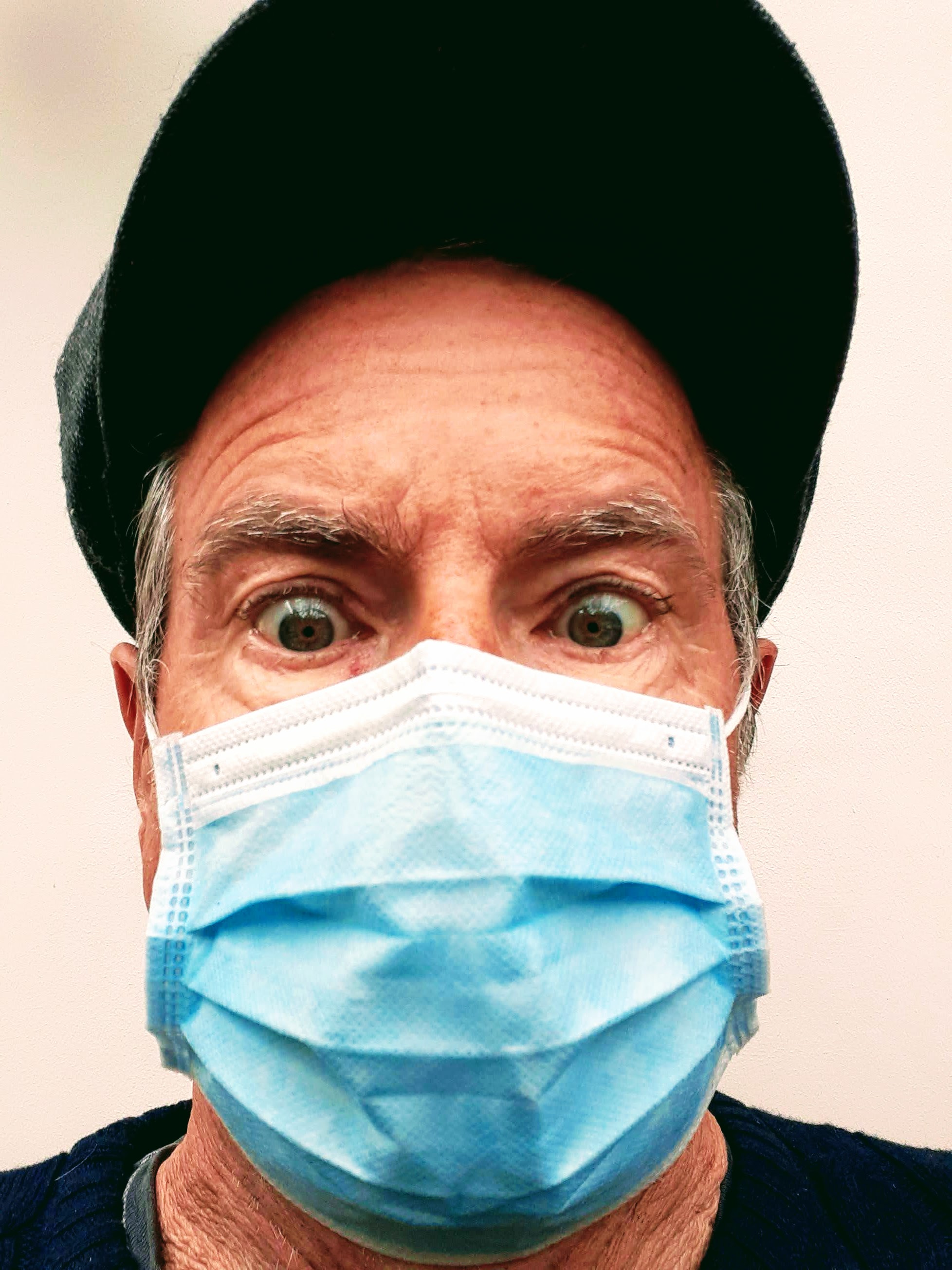
Many people continue to be very worried and mistrust others they meet in the street. They look friendless. They switch pavements to avoid talking to their neighbours. They become aggressive when they think others are not keeping the right distance. To avoid the risk of contamination, many people never take off their masks, even when they are driving with the windows up; they barricade themselves behind the steering wheel, their eyes revealing a mixture of resentment, disquiet and paranoia; they look as if they are on the run.

I am concerned for the mental health of the English. Someone described the English character as “polite yet hostile”. The description contains some truth. Our character is reluctant, reserved and distant. What would be the consequences for us if we were to spend a prolonged period during which we became accustomed to reject all contact with others? Would we become even more xenophobic, even more reluctant to participate with other nations and become even more isolated personally and nationally?

According to many experts (if there are experts on this pandemic) it seems possible that we will never totally eliminate the virus. It might be that the graph never truly flatlines.

In the beginning, the virus caused great loss of life amongst medical and nursing staff as well as other workers (such as bus drivers, for example), people who had had prolonged exposure to the infection. Also, it affected disproportionately the obese, the chronically ill and those with a suppressed immune system. And, of course, it impacted badly on the underprivileged of this country, the impoverished, the overcrowded, the badly-fed and those who have less access to medical treatment.

Recently the number of people who have tested positive has been on the rise. But, at the same time, there has been a proliferation of testing and this might have something to do with a rise in the rate of detection. Fortunately, the numbers of deaths, patients in hospital and those on assisted ventilation continue to go down.

With the number of people who have had the virus, those who have contracted it recently and those who haven’t suffered it yet but who are unknowingly in the queue, it seems we are nearing a solution: we are drifting, slowly but surely, towards a herd immunity. And if this doesn’t come soon, government advisors assure us that a programme of vaccination is on the way.

Of course, there will be new outbreaks. Besides, viruses mutate when they feel like it. However, in the not too distant future, Covid 19 and its variants will become no more than fresh members of the gang of flu-like diseases that lie in wait for those who are too weak to resist; those who are already suffering from terminal illness; those who are nearing the end of their lives. Covid will become just another one of the many illnesses that leap out and surprise us at the last minute with a lethal dose. It will no longer be the deadly disease we believed it to be at its height, the bubonic plague that threatened to decimate the population of the World, but simply another get-up worn by the Grim Reaper when he cuffs us with the coup de grâce.

We have to die of something. So, at some time in the future, we will have to accept the virus, learn to lower our guard and get on with our lives.

Let’s hope we decide to do it sooner rather than later. Let’s hope our faintheartedness comes to an end as soon as possible.

We should remember the words of Franklin Roosevelt on the occasion of his inauguration as President of the United states in 1933, another year of global crisis; a crisis not caused by a pandemic but by the Great Depression:

“So, first of all, let me assert my firm belief that the only thing we have to fear is fear itself, nameless, unreasoning, unjustified terror which paralyzes needed efforts to convert retreat into advance.”

* https://coronavirus.data.gov.uk/