Nationalist Issues in Contemporary Galician fiction

(This was written in 1998 as the introduction to a doctoral thesis)

Part 1: Introduction

Galician prose fiction forms the largest part of what is a predominantly  nationalist literature. As such it reflects the concerns of galeguistas, it mirrors their states of mind and it contributes to the debates within the movement. Thus it is that a comprehensive reading of Galician novels and short stories from the 1950s until the 1990s provides important insights into the changes that have occurred inside the nationalist movement since it emerged from its post-war shell. Vice-versa, in order fully to understand Galician literature from the late 1950s onwards, it is essential to have a grasp of the psychological and ideological parameters of galeguismo immediately prior to these years.

In Galicia during the harsh years following the Spanish Civil War galeguistas protected themselves psychologically by growing a hard ideological carapace which would act as a shield against the brutality of the Dictatorship. They retreated into a shell within which they took comfort in the existence of a private, separate world which was in all ways possible different to that of their Francoist oppressor.

Their protective case was comprised of two layers. The inner layer was made up of the traditional tenets of Galician nationalism that had been handed down by the founders of the movement in the mid-nineteenth century. These were the differentialist ideas that had first been formulated by men such as Manuel Murguía (1833-1923) and Benito Vicetto (1824-1878) and which found their most recent expression in the works of men such as Alfonso Daniel Rodríguez Castelao (1886-1950) and Vicente Risco (1884-1963).

According to these first principles, Galicians differed racially and ethnically from the rest of the inhabitants of Spain. In their patterns of life and the geographical distribution of their settlements they had little in common with the people of the Iberian tableland ; instead, they were close relatives of those who dwelt in the Centre and North of Europe, particularly the nations of the «Celtic Fringe», most especially Ireland. Erstwhile warriors, they were of a cyclothymic temperament: impulsive and brave but prone to bouts of melancholy. They were the descendants of restless explorers who had journeyed ever westward in their search for the land of the setting sun and who took readily to the seas, journeying to the Americas in pursuit of their their ancestral destiny: in so doing they were driven by «o anceio do alén-mar» and not by a mere desire for economic self-improvement. In matters of religion they were pragmatic. Although latterly they had adopted the Roman Catholic faith this had never truly displaced their pre-Christian animism and the two belief systems operated side by side; when the powers of the priest were deemed to be insufficient to deal with the spirit world the people turned readily to witches and wizards, the modern-day successors to the old Druidic order. Even though their ancient tongue had been replaced by just another derivative of Latin, the phonetic imprint of the gentle and lyrical substratum was still audible in their speech.

The outer layer of protective beliefs was formed from more recent matter and consisted mainly of a fresh apotheosis of the Galician peasant as the repository and retainer of the national consciousness. There had always been a tendency amongst the intellectual core of Galician nationalists, members of the urban middle class, to credit their rural cousins with an instinctive understanding that they belonged to a separate ethnic group which enjoyed a healthier and superior way of life to that which was to be found on the dry meseta of Castile, but ever since the «successful» vote in favour of the Statute of Autonomy in June 1936 it became natural for them to assume that there was a good deal of overt political awareness in the countryside and that it was largely sympathetic to the old Partido Galeguista.

From such a position it was understandable that a conviction should arise amongst some galeguistas that the tens of thousands of impoverished Galicians who streamed out of the country in the 1950s should be nurturing amongst themselves the desire expressed by Castelao in Sempre en Galiza (1944): eventually to return to their homeland as citizens of a left-leaning, independent, democratic country within a voluntary federation of Iberian states. This latter belief was fed by the remarkable stream of galeguista publications that flowed out of Buenos Aires from very early on in the post Civil War period and which included some of the most famous works of the whole movement. Not least of these was the bible of the post-war Galician nationalism, the above-mentioned Sempre en Galiza. Amongst the many other outstanding texts there were: Fardel do eisilado (1952) by Luís Seoane; A esmorga (1959) by Eduardo Blanco Amor; Memorias dun neno labrego (1961) by Xosé Neira Vilas; and Historia de Galiza (1963) edited by Ramón Otero Pedrayo.

This belief in the the left-wing nationalist potential of the many ordinary Galicians scattered throughout Europe and the Americas was also consonant with the Marxist thinking which entered Galician nationalist politics in the 1960s. Although the region was both geographically and politically only on the fringes of the European New Left, galeguista politics did become sufficiently radicalised for some to talk of a Galician proletariat, a combination of a diaspora of newly industrialised workers dispersed across the western world and those who hadn’t left home and continued to live a totally agrarian existence.

However, the idea of a revolutionary Galicia emigrante began to be called into question almost as soon as it had begun. The notion that the Galician emigrant had carried over his fervent pre-war ambition for Home Rule into the post-war period suffered a good deal of erosion in the late 1960s. It was substantially affected by the highly public disillusionment suffered by the poet and writer Celso Emilio Ferreiro, a founder member of the Marxist-oriented, Unión do pobo galego (UPG); in May 1966 he emigrated to Venezuela with the ambition of joining a revolutionary Galician proletariat in exile only to have his expectations utterly dashed by the corruption and political apathy he encountered in Caracas. At the same time Xosé Neira Vilas constantly reiterated in a series of novels and short stories that emigration was primarily the result of economic necessity and that the rural life from which the majority of emigrants came was not at all a repository of wisdom ; indeed it was often characterised by scapegoating, meanness and an obscurantist system of superstitious beliefs.

Nevertheless, amongst Galician nationalists there was no radical decline in political faith in the ordinary rural paisano until the Transition. When Franco died in 1975 there was a tremendous feeling of optimism throughout all separatist organisations and the left in general. In Galicia there were great expectations that the region could recapture the spirit of left-wing nationalism which it was widely believed had dominated local politics in the five months between the accession of the Frente Popular government in February 1936 and the outbreak of the Civil War in July.

In 1975 student life in Santiago seethed with expectation. Then came the anticlimax of the Transition, when the nationalist parties were largely ignored by the electorate. Perplexed by this snub, galeguista writers and politicians initially explained their unexpected reversal by positing that during the Dictatorship there had been such an effective brainwashing that the attitudes of June 1936 had been completely reversed: instead of wanting Autonomy, Galicians now abjured the whole idea; they had even come to despise their old selves and their provincialism. Now they placed all their faith in political parties based in Madrid; it was no wonder that they had fled Galicia in droves and wanted to put the whole place behind them. Some writers even lapsed into a petulant resentment of the Galician people for having allowed themselves to be duped or for having somehow reneged on their pre-war commitment. Other authors fulminated against the newly-elected political old guard who had been Franco’s placemen in administrations prior to 1975; the cry went up that, despite the arrival of so-called «democracy», the same Francoist veterans were still in charge.

Following the debacle and the hysteria of the transition, Galician Nationalism accepted its weaknesses, regrouped, appeared less dogmatic and slowly began to win over voters in the local elections to the Xunta. However, it had only been their initial electoral drubbing that had finally shaken them into acknowledging that they had a long way to go in order to recoup the political sway that they fancied they had lost since July 1936. Although they realised the need for a fresh political strategy, their confidence in the authenticity of the result of the vote for the pre-war Statute of Autonomy remained almost entirely intact, as it has until the present day.

The real improvement in the fortunes of Galician nationalism can be dated to 1982, the year of the formation of the Bloque Nacionalista Galego (BNG), an alliance of small nationalist parties who agreed to suspend their ideological differences, curtail their internecine warfare and work together on a number of practical issues in an attempt to increase their overall share of the vote. This strategy has proved at least partially successful and the BNG now regularly receives a quarter of the votes in local elections. It has certainly been successful enough to prompt the governing party in the Xunta de Galicia, the conservative Partido Popular (PP), into acknowledging that the existence of regional government owes a substancial debt to the activity of the Partido Galeguista (PG) during the Second Republic. So it was that in 1994 there was the slightly bizarre situation of the leader of the PP in Galicia, Manuel Fraga Iribarne, a one-time minister in Franco’s government that had fought a civil war against the evil of the disintegration of the Spanish State, now not only embracing Autonomy but mentioning amongst his political precursors the early twentieth-century nationalists, the Irmandades da Fala, as well as Castelao, the main ideologue of the PG. It was a further irony that Fraga, after stealing nationalist thunder, was making such a success of regional government – modernising Galicia and increasing its industrial base – and that the Xunta de Galicia was being seen as one of the great successes of the Spanish devolution of power.

Although in 1982 the protective inner layer of galeguismo remained fundamentally unmodified, nationalists seemed to be placing less emphasis on the belief in the distinctive Celtic nature of Galicia. This may have had more to do with their desire to quietly distance themselves from being overly identified with a beaten race rather than any increased acceptance of the rising evidence which suggested only a mythical connection with the Celts, who in any case were no longer regarded by most prehistorians as ever having existed as a homogenous Iron Age people: Celts was a catch-all category similar to characterisation by the Romans of all outsiders as Barbarians.

The nineteenth century saw the invention by Manuel Murguía and Eduardo Pondal (1835-1917) of a large seaborne influx of Irish Celts into Galicia. Despite their elaborate contrivance of imported Hibernian mythology and their imaginative story-telling through the medium of epic poetry, Murguía and Pondal did not go so far as to fabricate the subsequent rise of any local heroes of Celtic descent. In the Twentieth Century, to make up for this lack, some authors, most notably Álvaro Cunquiero (1911-1981), extrapolated the idea of new arrivals from the Celtic northlands to include the cast of romantic characters from the Matter of Britain, thus peopling Galicia with the knights, maidens and wizards of the Court of King Arthur. It was surely not too large a leap of faith to imagine that the Britons of the fifth century — Arthur’s century — were the very descendants of the same Celtic peoples that Murguía and Pondal claimed had arrived in the last millennium BCE.

In the early 1980s Galician prose fiction registered a noticeable decline in Arthurian-Celtic themes and there was a complementary rise of the novel featuring the ordinary rural Galician as a battling protagonist. In the same year as the foundation of BNG came the first of these publications, O tríangulo inscrito na circunferencia by Victor Fernández Freixanes (b 1951). Here was a strong literary corollary of the political regrouping that was taking place.

One of the basic tenets of galeguismo has always been that village life is an essential, distinguishing component of Galician ethnicity. However, due to the rapid demographic changes that had been accelerating since the late 1950s the majority of Galicians were by the 1980s living an urban or suburban existence. Despite (or because of) the ever increasing drift away from the land and the dramatic rise in the proportion of Galicians who now live in the town, there has been, throughout the 1980s and 1990s, a loud literary outcry against the growing decay and neglect of the countryside. This has been matched by a corresponding increase in the idealisation in fiction of the old-fashioned but healthy, bucolic existence that was enjoyed in the scattered hamlets of the past — a strong romantic counterblast against the unhealthy stresses of modern metropolitan life.

However, such romanticism seems at odds with evidence that traditional rural life was strongly associated with poverty, deprivation, rigged elections and superstition and it was this combination of factors which accounted for two centuries of mass emigration. Galicia was an isolated, badly communicated part of Spain and had a long history of feudalism that had persisted well into the 19th century. There was no industrial revolution and the rural economy was based upon low-tech subsistence farming on land that was owned by the Church or the nobility; the land itself was split into uneconomical strips by constant subdivision and made even more unprofitable by unbearable rents and tithes. When ownership of farm land was painfully and slowly «reformed» between 1837 and 1926, tenants were given the opportunity to buy out their landlords. Needless to say, most had no money to do this and were evicted with no further ado. Wage labour was non-existent and emigration was often the only option to starving to death. In addition, Francoist oppression following the Civil War was so violent that anybody who was deemed not to have actively supported the Uprising fled abroad in fear for their lives. Even those innocent of any opposition still left for jobs in industrial centres outside Galicia. It should be said that the literature of the diaspora has concentrated more on the experience of emigration than upon its causes.

Galician writers have varied considerably in their treatment of witchcraft and superstition. Furthermore, they have not divided along ideological lines. Although several writers have continued a long tradition of providing rational explanations for superstitious beliefs, others such as Xosé Luís Méndez Ferrín (b 1938), have utilised unmodified Galician folklore of the supernatural in order to create a new brand of nationalist literature akin to Latin American Magical Realism.

The other great contemporary task of Galician authors, shared with writers throughout Spain, has been the chronicling of the years from 1936 to 1975. They have undertaken this despite the 1977 Amnesty Law, which forbids the naming of those guilty of crimes committed during the Spanish Civil War and the subsequent Dictatorship, thereby granting legal impunity to the perpetrators. Following the death of the Dictator, writers found themselves still ignominiously gagged by the new, supposedly democratic Spain; instead of enjoying the right to free speech, they remained unable to name names.

One of the earliest and best-known novels to address the sadistic treatment of Republican prisoners and to give voice to the multitude of unheard and unsung victims of the Dictatorship was O silencio redimido by Silvio Santiago (1903–1974). Ironically, like all similar novels, his work was only published because it did not redeem certain silences. Nevertheless, Santiago was among the many talented writers who sought to redress the imbalance of the previous forty years by recounting, in fictional form, the events from the outbreak of the Civil War to the years of the Transition from a galeguista perspective. Despite the limitations imposed upon them, these writers have still produced some of the finest prose fiction ever written in Galician.
Overtourism in Cornwall is due to historical and literary factors and «good marketing»

It was the arrival of the railway that marked the beginning of tourism in Cornwall. The first line to London opened in 1859. Initially, it transported copper and tin ore, agricultural and dairy products, kaolin and fresh fish. The only passengers were businessmen and mine owners. During the 1860s, the copper and tin market collapsed dramatically as a result of new competition from South America, especially Chile. But as Cornwall’s mining industry declined, tourists began to arrive, holding out the possibility of a profitable future for railway companies.

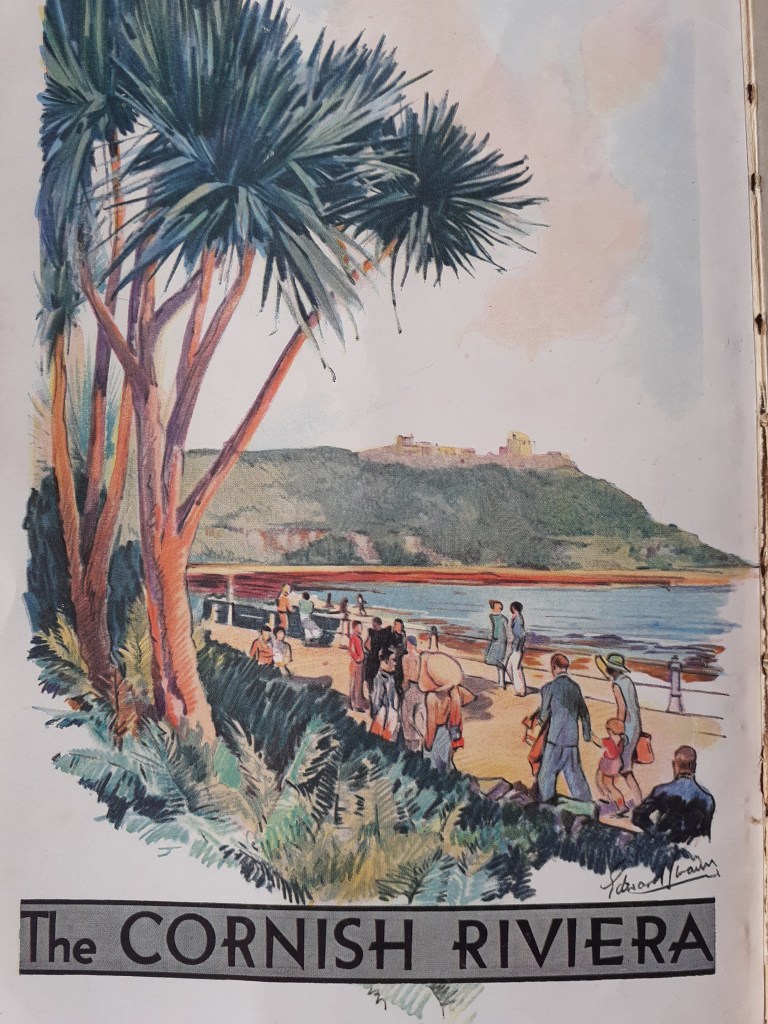
So it was that the Great Western Railway (GWR) did everything it could to promote this new socio-economic lifeline. In 1904, GWR coined the term “Cornish Riviera” and named one of its trains after it: the Cornish Riviera Express began service from London Paddington to Penzance in the same year, taking seven hours and twenty-five minutes to reach its destination.

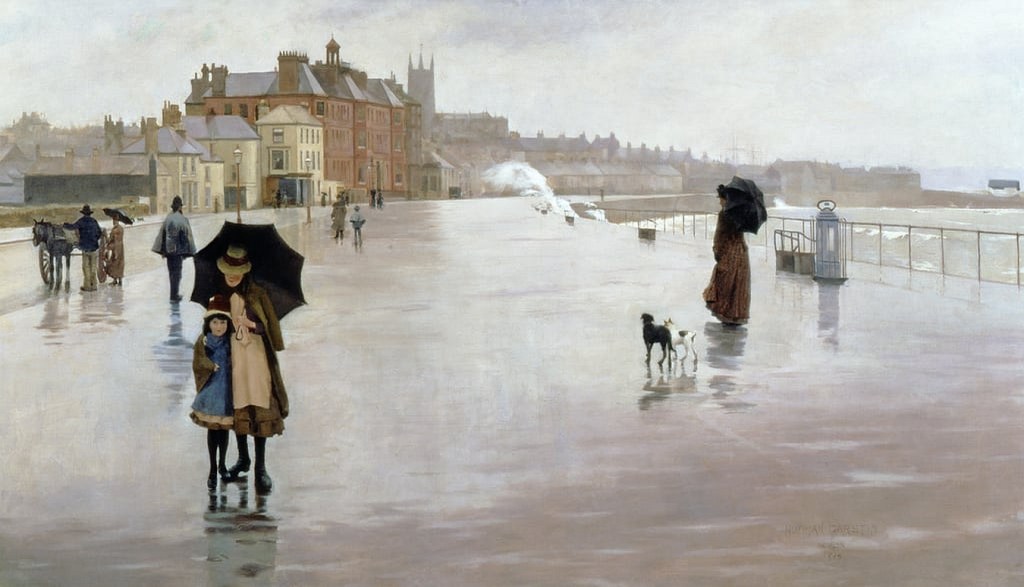
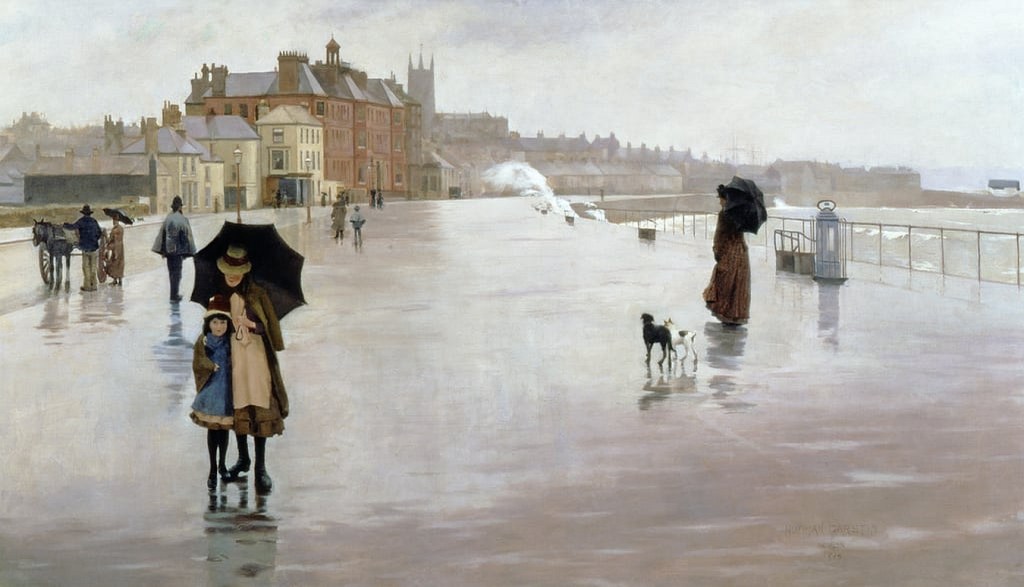
This painting by Norman Garstin is from 1889. and it is one of the best known portraits of Penzance. Note the theme of the painting. It is entitled, The Rain it Raineth Every Day. It’s a quote from Twelfth Night by Shakespeare (Act V, Scene 1, line 154)

In 1928, almost a hundred years ago, the GWR published its very own guide to Cornwall entitled ‘The Cornish Riviera’, which once again falsely implied that the climate of this part of southern England was similar to that of southern France.

The author of the book was full of praise for the county and made special mention of the climate, saying things like:

The simple truth is that in Falmouth it is as warm in January as it is in Madrid, and as cool in July as it is in Leningrad…..

Penzance is proving a formidable rival to Madeira, the Scillies to the Azores, and Mullion to Monte Carlo.

And so began a whole mythology about the climate of Cornwall.

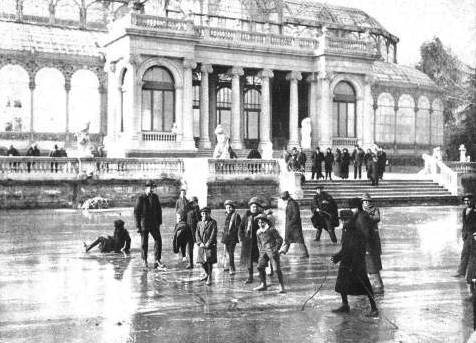
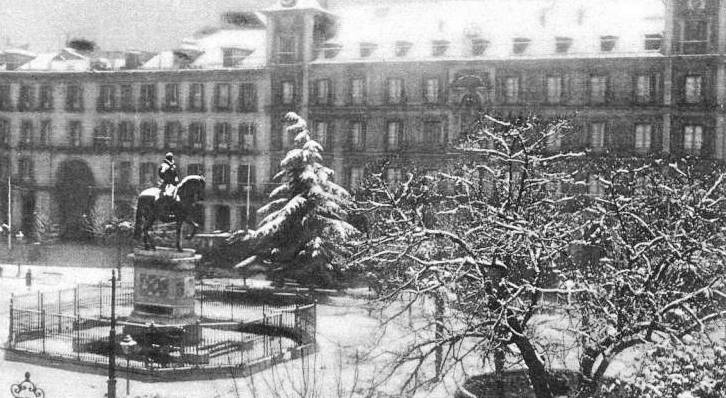
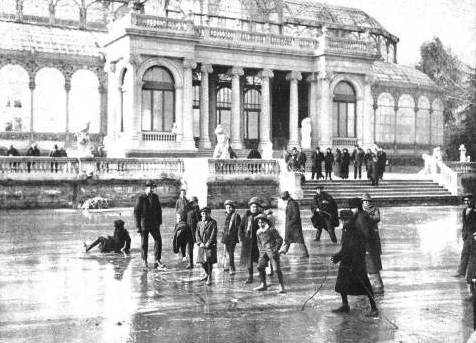
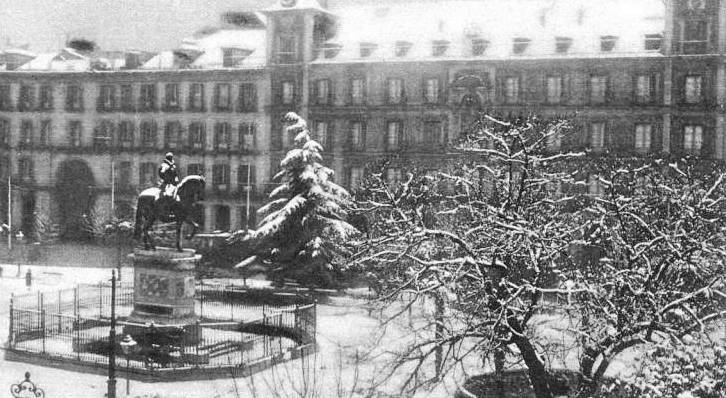
Oh dear! This was not only misleading, but also painfully inaccurate, and could even have damaged the GWR’s argument if the public had been more aware of the true nature of recent winters in Madrid. For example, in 1914, a few years before the publication of this book, January in Madrid was so cold that the lake at the Crystal Palace in the Retiro Park froze over, serving as an improvised skating rink for weeks. In the very winter of the book’s publication, the Spanish capital was once again covered in snow.

In southern England, the climate is generally wet but mild. Winters are cold and windy. However, there is a slight regional variation in the weather. There is always more wind and rain on the Atlantic coast, but the further east you go, the less rain you will find. In the town of Penzance, located near the western tip of the county, annual rainfall is around 1200 mm, while in the city of Norwich, located at the easternmost point of the country, annual rainfall is only around 732 mm. Also, in the south-east, summer temperatures are about 4 degrees Celsius higher than in Penzance. We are talking about average temperatures, but the actual difference in summer can be much more dramatic. One week in August, while we were on holiday on the Thames estuary, the temperature was 30 degrees: in Penzance, people were shivering in just 17 degrees.

But yes, it can be said that in Penzance the winter temperature reaches around 8 degrees Celsius, which is higher than in other towns further east. It is true that it rarely freezes in Penzance; it is not so cold that its imported Mediterranean plants die. That is why, technically, and only technically, the term subtropical can be applied to Cornwall. This technical term has been exploited unscrupulously by companies eager to sell holidays in the “subtropical paradise” of Cornwall. Woe betide anyone who arrives at their hotel in March expecting to spend the week lounging by the pool, sipping margaritas and surrounded by tropical jungle. The truth is that it is cold and it rains a lot. Remember the picture of the seafront? Norman Gaston has captured the essence of a typical winter’s day in Penzance.

However, local tourism boards, hotels, tourist offices and all social media insist on repeating the term like parrots, unable to understand its true meaning; although the facts categorically deny it, the myth of a Mediterranean or subtropical climate has stuck in the public’s mind.

A century after the advertising campaign launched by the GWR, Cornwall continues to enjoy the myth of its exotic climate. In fact, the myth has prospered. Cornwall has become such a desirable holiday destination that companies compete to associate themselves with it. What was once nothing more than a remote, rocky promontory perpetually shrouded in mist and drizzle, a poor Atlantic cape buffeted by the wind, is now portrayed in advertising as a sunny Shangri-La surrounded by blue seas, a paradise where time stands still in an atmosphere of peaceful excellence and value for money. If it had a corporate slogan, it would resemble the simple motto that the Galician regional government has been promoting for several decades: “Galicia, Calidade” (Galicia, Quality). No company does this better than Seasalt, a famous retailer of casual wear. Take a look at their website. But beware, although they are based in the Cornish town of Falmouth and their advertising only contains views of Cornwall captured on sunny days, their primary manufacturers are not Cornish; their garments are made in exactly the same places as those sold by their competitors: India, Turkey, China, Vietnam, Pakistan, Bangladesh, Sri Lanka and Bulgaria.

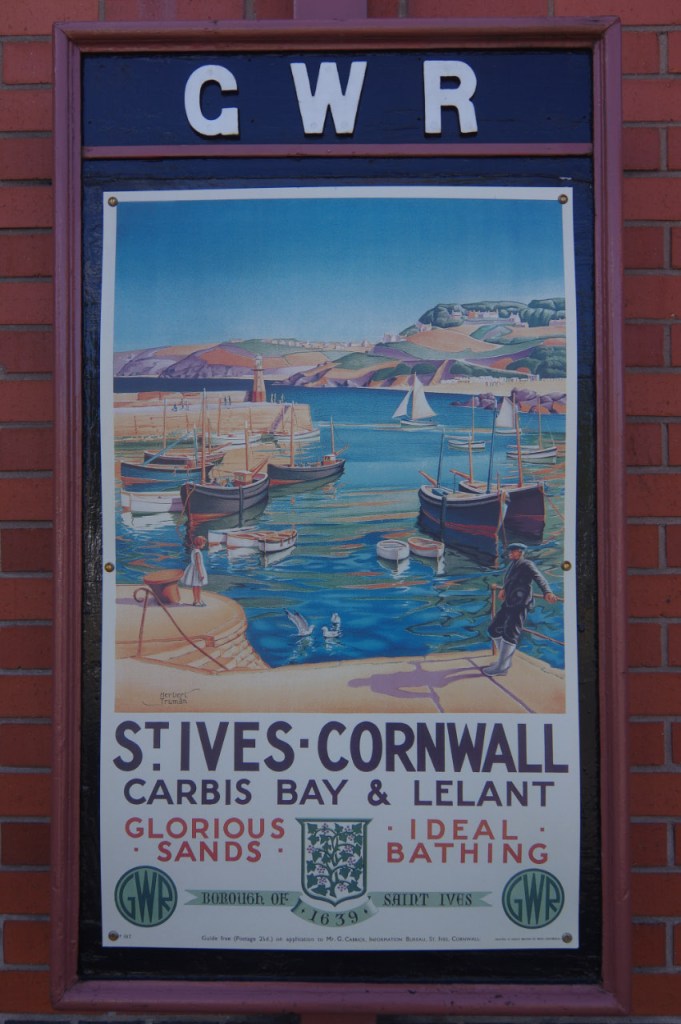
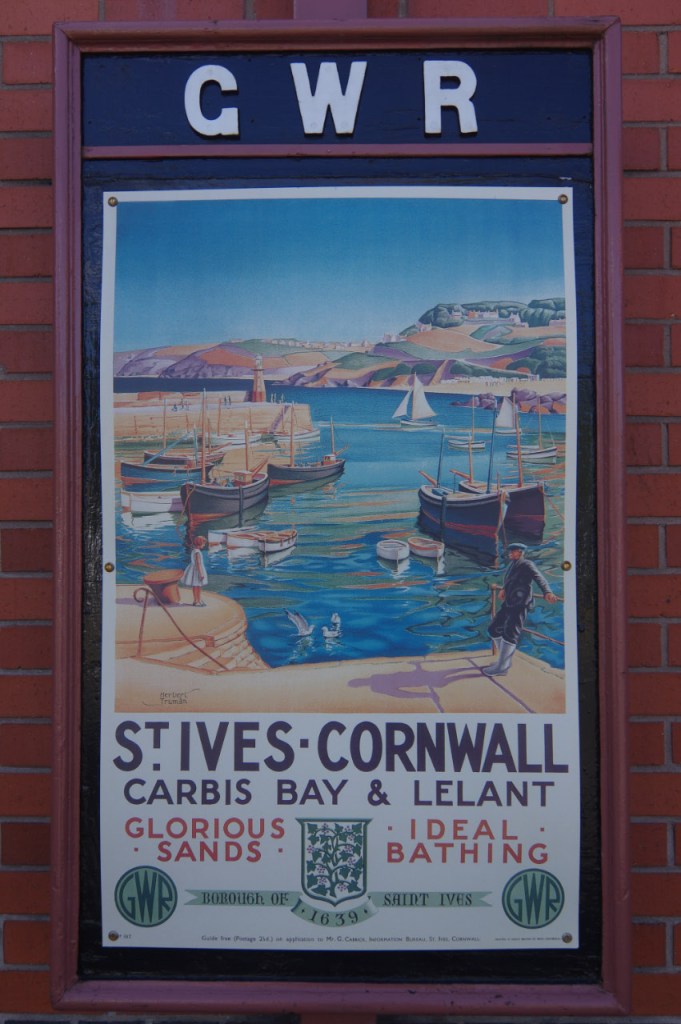
In the interwar period, the GWR was proud that its mode of transport was the fastest and most comfortable way for the new middle-class tourists to travel to their destination. However, the company was also increasingly aware that a new era was dawning and that it should not ignore the boom in the motor industry. As a result, it intensified its advertising campaigns. In addition to its collection of tourist guides to all of its destinations, GWR produced a series of posters in various styles that are still very famous in this country; hundreds of thousands of reproductions are still sold every year.

Photo: Stephen McKay via Wikimedia Commons

The romantic literature of the interwar years, especially the many novels by Daphne du Maurier set in Cornwall, helped to undermine the hegemony of the railway. The most famous of her novels are Jamaica Inn (1936), Rebecca (1938) and Frenchman’s Creek (1941).

During the Second World War, people enjoyed reading these literary creations, and in the years immediately following the cessation of hostilities, the idea of discovering the most remote areas of their own country by car captured the imagination of a whole new class of people: car owners. The best of these novels was Rebecca which was made into a film by Alfred Hitchcock in 1940. Shot in black and white, it is the cinema version most faithful to du Maurier’s chilling Gothic novel.

Both the novel and the film show the desperation of the villain, Maxim de Winter, in his mad insistence on driving his classic convertible car to London and back in a single day to consult his solicitor, crossing the entire south of the country in one go on the primitive and rather slow road network that existed in the 1930s. See the actual car here: https://imcdb.org/vehicle_62913-MG-SA-Tourer-Charlesworth-SA1407-1937.html . Chat gpt estimates that at that time, the one-way journey by car from St Austell, a fairly accessible town in Cornwall, to central London would have taken between 9 and 12 hours, or even longer. Of course, du Maurier wrote with poetic licence, but people believe what they want to believe, and the mere mention of the words “car” and “Cornwall” side-by-side, served to stimulate the ambitions of all new motorists. It gave the impression that such a trip was feasible. That’s not to say that everyone wanted to replicate Maxim de Winter’s feat, but with a few stops along the way in picturesque villages, Cornwall could be a great destination.

Then, to further whet the reader’s appetite, came the Poldark saga written by Winston Graham, a series of 12 novels published between 1945 and 2002. This saga has been not only one of the most phenomenal popular literary successes of the 20th century, but also one of the most watched series on the BBC. There have been 43 episodes across 5 television seasons.

The saga has it all. It is an informal history of Cornwall that deals with the events of the 18th and 19th centuries and the social relations of the time: the divisions between the landowning nobility, the poor people who work for them, the copper and tin mines, the conflicts between the owners and the miners, 19th-century politics, labour reform, the American War of Independence, the French Revolution and much more. It also includes the essential love triangle and all the possible conflicts engendered by inheritance. In other words, all the ingredients of a real soap opera. As for the popularity of the television series, the performance of the very handsome Aidan Turner, who played the role of Ross Poldark for the last few seasons, cannot be overlooked. The other major protagonists are the landscape and the weather: the raging seas, cliffs and storms reflect the inner turmoil of the characters and the untamed spirit of the region.

Another major «influencer» and contemporary of du Maurier and Graham was the famous North London poet John Betjeman. In 1908, at the age of two, Betjeman accompanied his family to Cornwall for the first time. From then on, they visited the same place every summer, accompanied by their maid. They stayed in the small village of Trebetherick in the north of the county. Although this village was closer to London than Penzance, the branch line was slower than the main line, so the steam train took up to nine hours to complete the journey from London Waterloo to Wadebridge, the nearest station to their final destination. When they arrived in Wadebridge, the family still had to endure a two-hour journey by horse-drawn carriage along a rough, unpaved road.

For a poet, Betjeman was very popular, especially amongst the middle and upper classes. They liked him a lot. They found his television series very affecting and nostalgic: programmes about churches, architecture, the Victorian era, steam trains, the leafy north of London (especially Highgate), pretty English villages and the countryside (especially Cornwall). When visiting these places he loved so much, Betjeman was comfortable and comforting, funny and good-humoured. The influence of his childhood memories of holidays in Cornwall and the growth of tourism should not be underestimated. His many television appearances until his death in 1984 helped to create a refined and well-off holidaying public from London and the Home Counties. Today, if you sit quietly and eavesdrop on conversations in Cornwall during the high season, in the most expensive pubs in the style of the «good old days» or in the most bohemian cafés perched on the clifftops, you will still hear talk of nannies and houses in Portugal: all spoken in southern English accents, most noticeable those of the wealthy north and west of London. These people reserve for themselves the most exclusive coves that, during high season, become a sort of Kensington-on-sea or Highgate Beach. Betjeman’s comforting influence is still there, and his small, affectionate and welcoming Edwardian summer world lives on.

Naturally, with the arrival of so many wealthy tourists and immigrants, the price of housing is now well beyond the means of local people. A significant percentage of homes in the county are now tourist rentals, second homes or houses built by English immigrants. Interestingly, the area most affected, where the percentage has reached 70%, are the parishes around Trebetherick, the very place made famous by John Betjeman.

Although they are very different places, the causes of homelessness in Cornwall are the same as those in the Balearic Islands. I recently saw a documentary by the German broadcaster Deutsche Welle entitled ‘The dark side of tourism: the property crisis in Mallorca’, which is still available on YouTube: https://www.youtube.com/watch?v=qzsZTYv93Fg. But, curiously, the documentary barely mentions the enormous proliferation of second homes in this popular tourist destination. In Mallorca, for example, the average price per square metre for the sale of homes is €6,000/m². The number of wealthy owners from northern Europe is phenomenal. Every month, hundreds of Mallorcans have to flee to the mainland because they cannot afford to compete with wealthy outsiders. In other words, homelessness is a problem with two causes which are closely linked: the immense proliferation of tourist lets and second homes. If you want to protect the local population, you have to tackle them together. In Spain central, regional and local governments are doing nothing.

In Cornwall, as we noted in the previous post on the housing crisis, there are villages that, in summer, resemble affluent London neighbourhoods, but in winter become sad, empty and dark places. The enormous proliferation of tourist accommodation and second homes contrasts sharply with the situation of many local people who cannot afford to own their own homes. Many of them have to subsist in caravans and sheds. Young people cannot become independent; they have no chance of competing with wealthy people from outside the area. The local government (Cornwall County Council) imposes a 200% surcharge on property tax for second homes, and the national government imposes a 5% tax on the purchase price, but these fiscal measures have little effect. The invasion continues unabated.

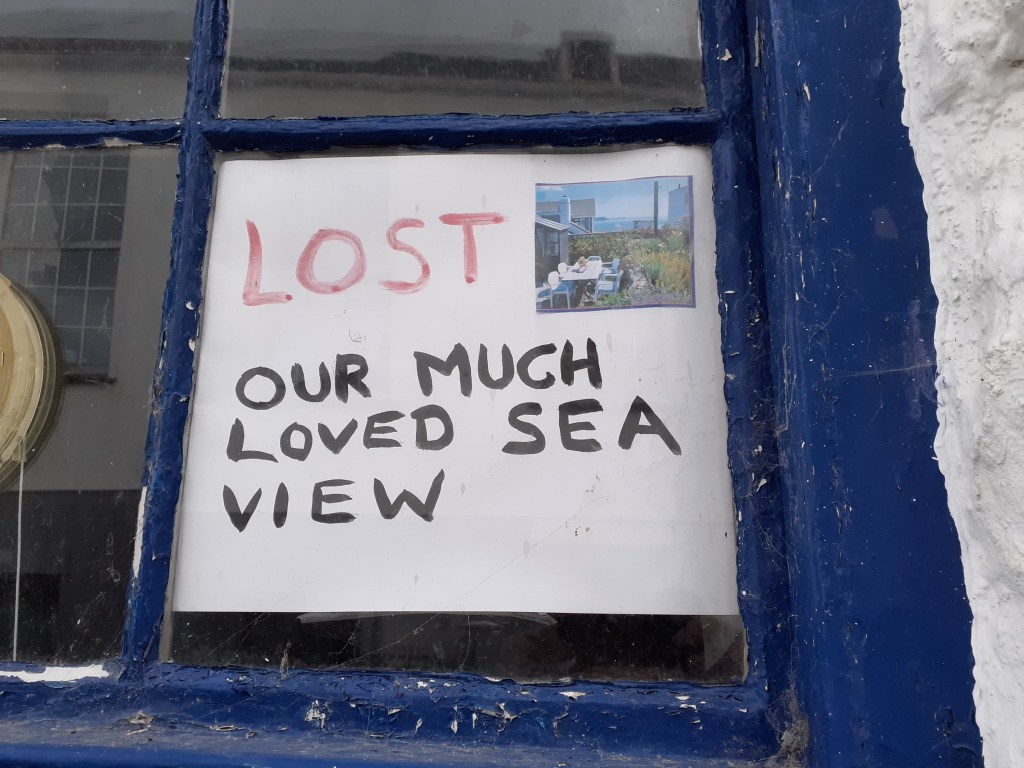
Imagine that for generations your family has enjoyed a little house by the sea in a small picturesque fishing village. However, one day a new wealthy family arrives and takes advantage of the narrow strip of land between the beach and your old house to build their new dream home. So it is that you lose your prime spot on the coast forever. All that remains of your sea view is this small photo in the window and the sad memory of something you will never get back.

All that remains of your sea view is this small photo in the window and the sad memory of something you will never get back.

And we have to talk about traffic.

When I refer to Maxim de Winter’s reckless exploits, I am not saying that one of the characters in a novel by an English author who wrote a novel in the 1930s was responsible for the current traffic chaos one encounters on the narrow Cornish roads, but I had to start somewhere.

Cornwall is a beautiful place, but it is very, very small: a peninsula of just 3,562 km², a tiny piece of land compared to its Atlantic cousins: Galicia 29,574 km² and Brittany in France 27,209 km². And beyond the recent improvements to the main roads, the rest of the map is a network of fairly narrow country roads. The closer you get to the coast, the more delicate this web of lanes becomes. Although they are now covered with tarmac, their dimensions are more or less the same as they were a hundred years ago and they cannot cope with the congestion produced during the high season. The current population of Cornwall is estimated at 600,000, plus the 4 or 5 million visitors that arrive each year, a third of them during the peak summer season. And for the most part, they arrive by car. Summer traffic jams are legendary, and when a traffic jam encounters a tractor coming in the opposite direction, reversing is at once comical, long-winded, exhausting, tedious and time-consuming, and involves a tremendous overdose of frustration for everyone involved.

It should also be mentioned that house prices are not the only things that have risen so sharply. Prices for everything have become stratospheric. The knock-on effect of so many visitors has been to create inflation in all local prices. A couple of examples:

The cost in Padstow (located on the other side of the River Camel opposite Trebetherick) of takeaway fish and chips sold in a shop named after the famous chef Rick Stein is double the national average. This year, his takeaway cod and chips will set you back £21. Not only do you have to pay a fortune, but you also have to find a place to eat your food, cradling it in your lap and trying not to spill it. If it rains, you’ll have to eat it in your car, but then the car will smell of stale fish and chips for the rest of your holiday.

I have noticed that in some places with a large tourist influx, there is a dual economy. I first noticed this about 15 years ago when the person serving in a small shop near the setting of Frenchman’s Creek asked me, ‘Are you local?’ He implied that there was one price for locals and another for visitors. I had to confess that I wasn’t, and as it turned out, he charged me double.

Second example. If you are on holiday and it is raining, and you are contemplating the perennial problem of what to do with the kids when it is raining and it is impossible to take them to the beach, well, why not grab your umbrella and head to King Arthur’s castle? You can’t have forgotten how the mythical king is supposed to fascinate children? Since the invention of the myth, and with little evidence to go on, many towns have competed for the honour of being the headquarters of the supposed King Arthur. But here in Cornwall you have the current market leader, the much-heralded and highly publicised Tintagel Castle. Although the remains of the castle are nothing more than a few piles of stones, the admission prices alone should convince you of the authenticity of Tintagel’s claims to be the real fortress of the one and only King Arthur. This year, a family ticket will cost you £58.

Architectural evidence suggests that the castle was not built in the 6th century during the heyday of the supposed King Arthur, but rather during the Norman period. Another Norman castle from the same period that is managed by the same company, English Heritage, is Goodrich Castle in Herefordshire. The castle is in much better condition than Tintagel Castle, and the entrance fee for a family is £28.60.

Once upon a time the coast was free for everyone. Now everything has a price, and the price of everything is sky-high… This is the problem with overtourism, wherever it occurs.

El sobreturismo en Cornualles es el resultado de factores históricos y literarios y un «buen marketing»

Fue la llegada del ferrocarril que dio comienzo al turismo en Cornualles. La primera línea entre Londres y Cornualles abrió en 1859. Al principio transportaba mineral de cobre y mineral de estaño, productos agrícolas y lácteos, caolín y pescado fresco. Los únicos pasajeros eran hombres de negocios y propietarios de minas. Durante la década 1860 el mercado de cobre y estaño se desplomó vertiginosamente a raíz de la nueva competición de Sudamérica, especialmente de Chile. Pero, conforme la industria minera de Cornualles iba desapareciendo, fueron llegando los turistas, salvando así la rentabilidad de las compañías ferroviarias. 

De ahí que The Great Western Railway (GWR) hiciera todo lo que pudiera para fomentar este nuevo salvavidas socioeconómico con la esperanza de que pudiese sacarle las castañas del fuego. En el año 1904 GWR acuñó el término, Cornish Riviera (La riviera córnica), y le puso este nombre a uno de sus trenes: el Cornish Riviera Express estrenó el servicio de London Paddington a Penzance en el mismo año, tardando siete horas y veinticinco minutos en llegar a su destino.

Este cuadro de 1889 es del artista Norman Garstin y es uno de los retratos más conocidos de Penzance. Toma buena nota del tema del cuadro. Se titula, Es que todos los días diluvia. Es una cita de La noche de reyes, de Shakespeare (Acto V, escena I, línea 415) 

En 1928, hace casi cien años, la GWR publicó su propia guía a Cornualles titulada, «The Cornish Riviera» que, una vez más, implicaba falsamente que se asemejan el clima de esta parte del sur de Inglaterra y el sur de Francia. 

El autor del libro se deshizo en elogios del condado e hizo una mención especial del clima, diciendo cosas como:

«La simple verdad es que en Falmouth hace tanto calor en enero como en Madrid, y tanto frío en julio como en Leningrado……Penzance está demostrando ser un formidable rival para Madeira, las Scillies para las Azores y Mullion para Montecarlo»

Y así se dio comienzo a toda una mitología sobre el clima de Cornualles..

¡Ay, por Dios! Esto no solo era una ilusión, sino también una frase dolorosamente inexacta, e incluso pudiera haber perjudicado el argumento del GWR si el público hubiera sido más consciente de la verdadera naturaleza de los últimos inviernos en Madrid. Por ejemplo, en 1914, unos años antes de la publicación de este libro, el enero en Madrid fue tan frío que se congeló el lago del palacio de Cristal en el Retiro, sirviendo de pista de patinaje improvisada durante semanas. En el mismísimo invierno de la publicación del libro, la capital española estuvo una vez más cubierta de nieve. 

En el sur de Inglaterra el clima es, por lo general húmedo, pero templado. El invierno es frío y ventoso. Sin embargo hay una leve variación meteorológica regional. Siempre hay más viento y lluvia en la vertiente Atlántica pero cuanto más al este que te vayas, menos lluvia encontrarás. En el pueblo de Penzance, situado cerca de la finisterra atlántica córnica, la precipitación anual es de 1200 mm más o menos, mientras que en la ciudad de Norwich, ubicada en el punto más oriental del país, la precipitación anual es de solo unos 732 mm. También, en el sureste las temperaturas veraniegas son más o menos 4 grados centígrados más altas que las de Penzance. Estamos hablando de temperaturas medias, pero la diferencia real en verano puede ser mucho más dramática. Un día de Agosto estábamos de vacaciones en Whitstable, en la orilla sur del estuario del Támesis, y la temperatura era de 30 grados, mientras que en Penzance los turistas estaban tiritando de frío en temperaturas de 17 grados.

Pero si, se puede decir que en Penzance la temperatura invernal llega a unos 8 grados centígrados, una cifra más alta que la de otros pueblos más orientales. Es verdad que en Penzance se hiela raras veces; no hace un frío tan espeluznante que mueren sus plantas mediterráneas importadas. Por eso es por lo que, técnicamente, y solo técnicamente, se puede aplicar el término subtropical a Cornualles. Este término técnico han explotado sin escrúpulos los vendedores de vacaciones en el «paraíso subtropical» de Cornualles. Pobre de alguien que llega al hotel en Marzo esperando que va a quedar la semana tumbado al lado de la piscina, bebiendo a sorbos un cóctel Margarita y rodeado de selva tropical. La verdad es que hace frío y llueve bastante. ¿Recuerdas el cuadro del paseo marítimo? Norman Gaston ha capturado la esencia de un típico día invernal de Penzance.

Sin embargo, las juntas de turismo locales, los hoteles, las oficinas de turismo y todos los los medios sociales se empeñan en repetir el término como papagayos sin ser capaces de entender su auténtico sentido; aunque los hechos lo niegan tajantemente, el mito del clima mediterraneo o subtropical se le ha pegado al público 

Un siglo después de la campaña publicitaria que inauguró la GWR, Cornualles sigue disfrutando del mito de su clima exótico. De hecho, el mito ha prosperado. Cornualles se ha hecho un destino vacacional tan deseable que hoy en día empresas compiten para asociarse con él. Lo que era, alguna vez, nada más que un lejano promontorio rocoso perpetuamente envuelto en neblinas y llovizna, un pobre cabo atlántico llevado por el viento, ya se representa en la publicidad como un soleado Shangri-La rodeado de mares azules, un paraíso en donde el tiempo se detiene en un ambiente de paz donde se ofrece una buena calidad por dinero. Si tuviera una consigna empresarial se parecería al lema sencilla que promociona la Xunta de Galicia desde hace varias décadas, «Galicia, Calidade». No hay empresas que lo hagan mejor que Seasalt, un famoso minorista de ropa de sport. Échale un vistazo en la web. Pero ojo, aunque tienen su sede en la ciudad córnica de Falmouth y su publicidad solo contiene vistas de Cornualles capturadas en días soleados, sus fabricantes primarios no son córnicos; sus prendas se confeccionan en exactamente los mismos sitios de la ropa vendida por sus competidores: India, Turquía, China, Vietnam, Pakistán, Bangladesh, Sri Lanka y Bulgaria. 

En el periodo de entreguerras el GWR estuvo orgulloso de que su modo de transporte era el más rápido y cómodo en que los nuevos turistas de la clase media podían trasladarse a su destino. Pero, también la compañía era cada vez más consciente de que estaba amaneciendo una nueva época y que no deberían hacer caso omiso del boom de la industria automovilística.

Por eso se intensificaron sus campañas de publicidad. Además de su colección de guías turísticas sobre todos sus destinos, produjo toda una serie de carteles de varios estilos que siguen siendo muy famosos en este país; aún se venden cientos de miles de reproducciones anualmente. 

foto: Stephen McKay via Wikimedia Commons

La literatura romántica de los años de entreguerras, especialmente las muchas novelas de Daphne du Maurier ambientadas en Cornualles ayudaron a socavar la hegemonía del ferrocarril. Las más famosas de sus novelas son Jamaica Inn (La posada de Jamaica) 1936, Rebecca (Rebeca) 1938 y  Frenchman’s Creek (El río del francés) 1941. 

Durante la segunda Guerra Mundial la gente se divirtió mucho leyendo estas creaciones literarias y durante los años inmediatamente después de la sucesión de hostilidades la idea de irse descubriendo en coche las zonas más remotas de su propio país capturó la imaginación de toda una nueva clase de personas, los propietarios de automóviles. La mejor de estas novelas fue Rebecca (1938) y fue llevada al cine por Alfred Hitchcock en 1940. Rodada en blanco y negro es la version cinematográfica más fiel a la novela gótica escalofriante de du Maurier. 

Tanto en la novela como en la película se demuestra la desesperación del malo, Maxim de Winter, por su loca insistencia en conducir su coche clásico descapotable a Londres de ida y vuelta en un solo día para consultar a su abogado, cruzando, de una tacada, todo el sur del país por la primitiva y bastante lenta red vial que existía en los años 30. Ver el coche real aqui: https://imcdb.org/vehicle_62913-MG-SA-Tourer-Charlesworth-SA1407-1937.html Chat gpt estima que en aquel entonces el viaje en coche por carretera, solo de ida, desde St Austell, un pueblo de Cornualles bastante asequible, al centro de Londres, hubiera tardado entre 9 y 12 horas, o incluso más. Claro que du Maurier escribió con licencia poética pero la gente cree lo que gente quiera creer y la mera mención de las palabras «coches» y «Cornualles» juntas, sirvió para estimular las ambiciones de todos los nuevos motoristas. Daba la impresión de que tal viaje era factible. Eso no quiere decir que todos quisieron replicar la hazaña de Maxim de Winter pero, con unas paradas en el trayecto, en unas pueblecitos pintorescos, Cornualles pudiera ser un destino macanudo. 

Después para ensalzar aún más el apetito del lector, vino la saga de Poldark escrita por Winston Graham, una serie de 12 novelas publicadas entre 1945 y 2002. Esta saga ha sido no sólo uno de los éxitos literarios populares más fenomenales del siglo 20, sino también una de las series más vistas de la BBC. Hay 43 episodios en las 5 temporadas televisivas.

La saga lo tiene todo. Es una historia informal de Cornualles que trata de los acontecimientos de los siglos XVIII y XIX y las relaciones sociales de la época: las divisiones entre la nobleza terrateniente, la gente pobre que trabaja para ellos, las minas de cobre y estaño, los conflictos entre los dueños y los mineros, la política decimonónica, la reforma laboral, la guerra de independencia de los EEUU, la revolución francesa y un largo etcetera. Se incluye también el esencial triángulo amoroso y todos los conflictos posibles engendrados por la herencia. Es decir, todos los ingredientes de un auténtico culebrón. En cuanto a la popularidad de la serie televisiva, no se puede desestimar la actuación del guapísimo Aidan Turner, que interpretó el papel de Ross Poldark, el protagonista de las últimas temporadas. El otro gran protagonista es el paisaje y el tiempo: los mares embravecidos, los acantilados y las tormentas reflejan la turbulencia interior de los personajes y el espíritu indómito de la región. 

Otro gran «influencer» y contemporáneo de du Maurier y de Graham era el famoso poeta del norte de Londres, John Betjeman. En 1908, a la edad de dos años, Betjeman acompañó por primera vez a su familia a Cornualles. A partir de ese año visitaban el mismo sitio todos los veranos. Les acompañaba la criada. Tenían alojamiento en el pueblecito de Trebetherick en el norte del condado. Aunque este pueblo quedaba más cerca de Londres que Penzance, el ramal era más lento que la línea principal, así que el tren de vapor demoraba hasta 9 horas en completar el trayecto desde London Waterloo a Wadebridge, la estación más cercana a su último destino. Cuando llegaron a Wadebridge aún les quedaba a la familia el calvario de dos horas en carruaje tirado por caballos por un camino accidentado y sin pavimentar.

Para ser poeta, Betjeman era muy popular, especialmente entre las clases media y alta. Les caía sumamente bien. Encontraron muy afectuosas y nostálgicas sus series en la tele: programas sobre iglesias, arquitectura, la época victoriana, los trenes de vapor, la frondosa zona norte de Londres (especialmente Highgate), los bonitos pueblos ingleses y el campo (especialmente él de Cornualles). Al visitar estos lugares que amaba tanto, Betjeman se mostraba cómodo y reconfortante, divertido y de buen humor. No hay que subestimar como influyeran sus recuerdos de infancia sobre las vacaciones en Cornualles y la crecida del turismo. Sus muchas salidas en la tele hasta su muerte en 1984 contribuyeron a crear un público vacacional londinense refinado. Hoy en día, si te sientas en silencio y escuchas a escondidas las conversaciones en Cornualles durante la temporada alta, en los pubs más caros de los viejos buenos tiempos o en las cafeterías más bohemias que se encuentran posadas sobre los acantilados, todavía oirás hablar de niñeras y casas en Portugal: todo pronunciado en acentos del sur de Inglaterra, más notables los del acaudalado norte y oeste de Londres. Esta gente reserva para sí las calas más exclusivas que convierten en Kensington del mar o Playa de Highgate. La reconfortante influencia de Betjeman sigue ahí y su mundo veraniego tan pequeño, cariñoso y acogedor sigue siendo para ellos un gran sueño.

Naturalmente, con la llegada de tantos turistas e inmigrantes adinerados, el precio de la vivienda ya se encuentra muy por encima de las posibilidades de la gente local. Un porcentaje significante de las viviendas en el condado son ahora casas turísticas de alquiler, residencias secundarias o casas construidas por inmigrantes ingleses. Curiosamente, el área más afectada donde el porcentaje ha llegado al 70% es la parte que contiene Trebetherick, el mismísimo distrito que hizo famoso John Betjeman.

Aunque sean sitios muy distintos, las causas de estar sin techo en Cornualles son iguales a las de Baleares. Vi recientemente un documental de la emisora alemana Deutsche Welle titulado. «El lado oscuro del turismo: la crisis inmobiliaria en Mallorca» que todavía queda disponible en YouTube: https://www.youtube.com/watch?v=qzsZTYv93Fg . Pero, cosa curiosa: en el documental apenas mencionan la enorme proliferación de residencias secundarias en este sitio de gran afluencia turística. En Mallorca p.ej. el precio medio por metro cuadrado para la venta de viviendas es de 6,000 €/m². El número de propietarios ricos del norte de Europa es fenomenal. Cada mes, cientos de mallorquines tienen que huir a la península porque no tienen el dinero para competir con la gente adinerada de fuera. O sea, es un problema con dos facetas estrechamente vinculadas. Si quieres proteger a la población autóctona tienes que resolverlos juntos. Los gobiernos españoles, nacionales y locales no hacen nada.  

En Cornualles, como notamos en el post anterior sobre la crisis de la vivienda, hay pueblos que, en verano, parecen opulentos barrios londinenses, y que en invierno se ponen tristes, vacíos y oscuros. La enorme proliferación de viviendas turísticas y residencias secundarias contrasta fuertemente con la situación de mucha gente autóctona que no pueden permitirse el lujo de tener su propio hogar. Muchos de ellos tienen que subsistir en caravanas y cobertizos. La gente joven no puede independizarse; no tienen la menor posibilidad de competir con la gente adinerada que viene de afuera. El gobierno local (Cornwall County Council) impone un sobrecargo de 200% del IBI en el caso de las residencias secundarias y el gobierno nacional les impone un impuesto de 5% sobre el precio de compra, pero estas medidas fiscales surten poco efecto. La invasión sigue sin tregua. 

Imaginaos, que a lo largo de las generaciones vuestra familia ha disfrutado de vuestra casita al lado del mar situado en un pequeño pintoresco pueblo pesquero, pero un dia llega una nueva familia adinerada y aprovechan la delgada faja de tierra entre la playa y vuestra vivienda antigua para construir la casa nueva de sus sueños. Así perdisteis para siempre vuestro sitio de primer plano en la costa. Lo único que queda de vuestra vista del mar es esta pequeña foto puesta en la ventana y este triste anuncio de una cosa perdida.

Este triste anuncio de una vista perdida

Y tenemos que hablar del tráfico. 

Cuando me refiero de las hazañas temerarias de Maxim de Winter, no digo que uno de los personajes de una novela de una autora inglesa que escribió una novela en los años treinta fuera el responsable del caos del tráfico actual con que uno se encuentra en las angostas carreteras córnicas, pero tuve que comenzar en algún sitio. 

Cornualles es un sitio precioso, pero es muy, muy pequeño: una península de apenas 3562 km², una parcela de tierra minuciosa comparada con sus primos atlánticos: Galicia 29574 km² y la Bretaña de Francia 27209 km². Y más allá de las mejoras recientes en las carreteras troncales el resto del mapa es una red de carreteras rurales bastante estrechas. Cuanto más te acercas a la costa, más delicada se vuelve esta telaraña de corredoiras. Aunque ahora están cubiertas de asfalto, sus dimensiones son más o menos iguales a lo que eran en los años cincuenta y no soportan la congestión producida durante la temporada alta. La población actual se estima en 600,000 habitantes y anualmente se reciben alrededor de 4 millones de visitas, un tercio de ellas durante la temporada alta de verano. Y en gran parte, llegan en coche. Los embotellamientos veraniegos son legendarios y cuando un atasco se tropieza con un tractor que viene en sentido contrario, lo de la marcha atrás es a la vez cómico, largo, extenuante, tedioso y requiere de mucho tiempo para escaparse, e implica para todos los involucrados una sobredosis de frustración tremenda.

Hay que mencionar tambien que los precios de las casas no son las unicas cosas que se han aumentado tanto. Los precios de todo se han hecho estratosféricos. El efecto en cadena de tantos visitantes ha sido la creación de una inflación de todos los precios locales. Un par de ejemplos.

El coste en Padstow, (situado en la otra orilla del río Camel frente a Trebetherick), de un fish and chips para llevar que se vende en una tienda en nombre del famoso chef, Rick Stein, es el doble del coste medio nacional. Este año su cod and chips para llevar te cuesta €24.30. Es decir, no solo has tenido que pagar un dineral, tienes que buscar sitio para comerlo, sosteniéndolo en el regazo sin derramarlo. En el caso de lluvia tendrás que comerlo en coche, pero en este caso, el coche huele a pescado rancio a lo largo del resto de tus vacaciones. 

He notado que en algunos sitios de gran afluencia turística se practica una economía doble. Lo noté por primera vez hace unos 15 años cuando el tendero en una pequeña tienda cerca del sitio donde se ambientaba El río del francés, me preguntó ¿eres local? El intimaba que había un precio para la gente de ahí y otro para visitantes. Tuve que confesar que no, y como resulta, me cobró el doble.  

Segundo ejemplo. Si estás de vacaciones y está lloviendo y si estás contemplando el perenne problema de que haces con los peques cuando está lloviendo y es imposible que los lleves a la playa, bueno, ¿como no coger el paraguas y dirigíos al castillo del rey Artur? ¿No se te ha olvidado como el rey mítico fascina a los niños? Desde la invención del mito, muchos pueblos han competido por el honor de ser la sede del supuesto Rey Artur. Pero, aquí en Cornwall tienes el líder actual del mercado, el mucho anunciado y muy publicitado castillo de Tintagel. Aunque los restos del castillo no son nada más que unas míseras pilas de piedras, los precios de entrada en sí mismas deben convencerte de la autenticidad de las reivindicaciones de Tintagel de ser la auténtica fortaleza del solo y único rey Artur. Este año una entrada familiar os va a costar €67.74.

La evidencia arqueológica sugiere que el castillo no se construyó en el siglo VI durante el apogeo del supuesto rey Artur, sino en la época de los normandos. Otro castillo normando del mismo periodo que está regentado por la misma compañía, English Heritage, es el de Goodrich en el condado de Herefordshire. El castillo se encuentra en muchas mejores condiciones que el de Tintagel y el precio de entrada para una familia es de €36.45.  

Érase una vez, cuando yo era joven, que la costa era libre para todos. Ahora todo tiene precio, y todos los precios están por las nubes.…..Esto si que es el problema del sobreturismo, dondequiera que ocurra.

La aportación duradera de Margaret Thatcher a la crisis de la vivienda

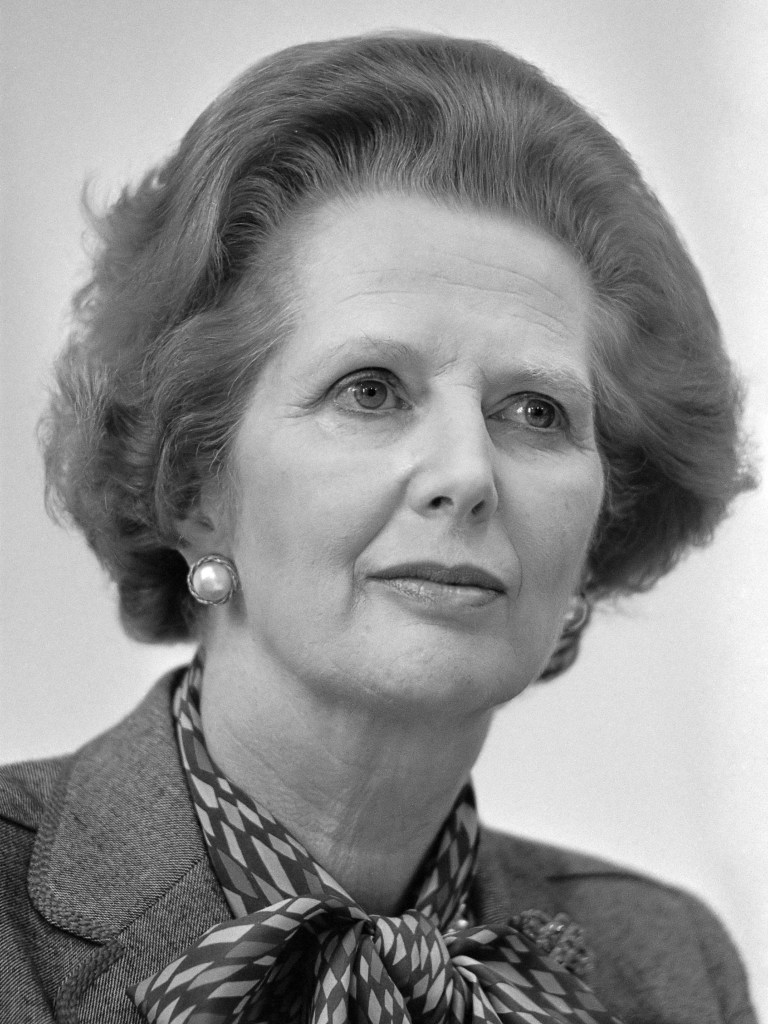
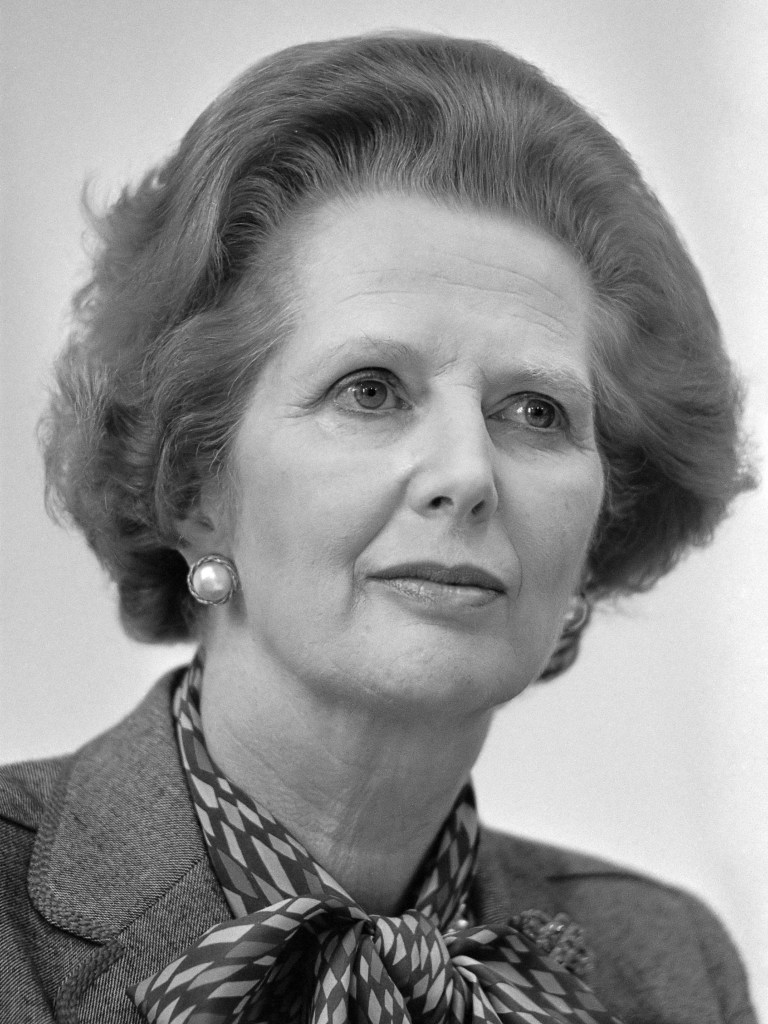
Primera ministra, Margaret Thatcher, 1983 (courtesy of Wikimedia Commons)

Cómo enfocaba el mundo la señora Thatcher

Recuerdo sentarme en uno de los cubículos de los aseos de la universidad de Sussex en 1972 y ver escrito allí un grafiti que alguien había garabateado justo encima del soporte del rollo del papel higiénico: «Licenciaturas en sociología. Por favor, tome una».

Así, esta persona graciosa, por seguro un estudiante serio de una de las ciencias tradicionales o tal vez un vocero de una de las humanidades de mayor abolengo, mostraba su desdén por esta nueva abominación pseudo académica que algunos progres habían fertilizado en una probeta de laboratorio norteamericano: un feto impío que implantaron en el útero de la madre de asignaturas universitarias para que lo llevaran a término; un resultado de la unión antinatural de la ciencia y las artes; con toda certeza un monstruo bicéfalo enclenque que moriría pronto, siendo biológica e intelectualmente inviable. 

¿Un estudio científico de la sociedad? Bah! 

Hasta la señora Thatcher, primera ministra entre 1979 -1990) estaba indignada. ¿Sociedad, sociedad? «No hay tal cosa» citaba la revista de mujeres, Woman’s Own, en ocasión de la entrevista que publicaron con ella en 1979.

Al igual que la sociología era una asignatura fraudulenta, el socialismo era una creencia aberrante, ilusoria y mal concebida: un cuento de hadas que procuraba dar derechos a personas que no los merecían. El mito del socialismo tenía que ser desmentido y las estructuras equivocadas erigidas por sus confundidos proponentes deberían ser abolidas.

Ella estaba opuesta doctrinalmente a todas las medidas sociales que se había llevado a cabo anteriormente todo gobierno laborista  Hizo misión suya ir cortando por lo sano todo el marco regulatorio que interviniera en la vida del individuo. Creía ella, que si logramos algo en la vida, nuestro éxito se debiera exclusivamente a nuestros esfuerzos personales. 

Margaret Thatcher tenía aire de predicadora. Dentro del partido conservador se le consideraba como espíritu renovador: una evangelista e idealista que pregonaba un retorno a valores tradicionales. Proclamaba un mensaje conservador decimonónico.  Era resuelta, una fuerza tremenda de la naturaleza. Daba miedo. (Curiosamente, era muy popular entre el público ruso.) Inspiraba a todo gobierno conservador que le siguió a continuar con la tarea principal de privatizar cualquier industria y servicio público que hubiera sido previamente estatalizada por un gobierno laborista. 

A ella se debió el resurgimiento del partido conservador de finales del siglo veinte y a ella se debió la ola de desnacionalizaciones que ocurrió a partir de los años 80, la subsiguiente privatización de todos los medios de transporte público y la debilitación y decaimiento del poder de los sindicatos (véase la lucha entre ella y Arthur Scargill el líder del sindicato nacional de mineros). Ella dio rienda suelta a la desestatalización de las utilidades. Los monopolios públicos de luz, gas y agua se hicieron añicos. En su lugar apareció una selva de pequeñas compañías suministradoras.

Estos nuevos pequeños feudos de servicios públicos han hecho retroceder al país a una verdadera economía de libre mercado, suministrando no solo electricidad, gas y agua, sino también caos, ineficiencia y grandes dividendos para sus accionistas: un modelo de capitalismo decimonónico poco adecuado a las necesidades de un economía del siglo 21. Hoy en día, nuestros ríos tienen más mierda que agua…. Ah, y piénsalo bien antes de emprender viaje en el mosaico de las 28 empresas que ahora operan en nuestra red ferroviaria nacional. Los retrasos y las cancelaciones son peores que nunca.

Otra «abominación» que le molestaba a la señora Thatcher era el sistema de viviendas de protección oficial (VPO)

Desde finales de la primera guerra mundial hemos tenido en Gran Bretaña un sistema de VPO construidas por los gobiernos locales. Este sistema tiene sus raíces en la primera guerra mundial. Durante la guerra se observó con alarma el mal estado físico de muchos reclutas urbanos al ejército. El día después del armisticio en noviembre de 1918 el entonces primer ministro David Lloyd George prometió un nuevo programa para mejorar la salud de la población general, un programa que incluía un nuevo sistema de viviendas de protección social. Desde aquella fecha para adelante, cada ayuntamiento en el país tendría la responsabilidad de construir casas dignas de los héroes que habían ganado la guerra. Lloyd George hizo hincapié en que el país tenía una especial deuda de gratitud a los soldados rasos, los miembros de la clase obrera que hicieron que la victoria fuera posible. Alquilarían sus nuevas viviendas a un precio asequible, subvencionado por el Gobierno. Desde entonces las personas que no ganaban el dinero necesario para permitirse el lujo de comprar su propia vivienda podrían vivir en casas de buena calidad y seguridad de tenencia, por cortesía del Estado. 

Así fue creado un buen sistema de VPO. Sufrió algunos altibajos debidos a la segunda guerra mundial, pero, hablando por lo general, funcionaba bien y servía bien a la clase obrera británica……

…….. hasta que subió al poder la señora Thatcher que decidió que los inquilinos de las VPO deberían tener el derecho de comprar las casas sociales en que vivían. 

Su nueva ley de 1980 mandaba que los ayuntamientos, (Councils), tenían que ofrecer a vender sus casas a cualquier inquilino que ya hubiera vivido en su VPO el período de años necesarios que les diera la elegibilidad de comprar a un precio muy reducido. Aunque habían construido las viviendas con sus propios fondos, los gobiernos locales no tenían permiso de quedarse con el dinero de la venta. Se veían obligados a dárselo todo al gobierno central. Por eso es por lo que todos los ayuntamientos, de cualquier color político, dejaron de construir las famosas «council houses».   

La política de Thatcher tenía varios objetivos, principalmente la inclusión de la clase obrera en la democracia propietaria, un término escrito en el corazón del partido conservador. Así el partido pudiera congraciarse con la «alta clase obrera» y darles ánimo a votar conservador. 

A largo plazo la intención fue la reducción al mínimo, si no la eliminación entera, del parque de vivienda pública. 

A raíz del programa del derecho de compra, el número de estas viviendas ha caído vertiginosamente. Según las propias cifras del gobierno, solo en Inglaterra entre 1980 y 2024 el país perdió alrededor de más de 2,020,279 viviendas de protección oficial.

Esta pérdida ha tenido muy malas consecuencias para los gobiernos locales y ha conducido directamente a llenar los bolsillos de propietarios privados con dinero de las arcas públicas. 

¿A quienes pertenecen ahora estas viviendas de protección social?

Como se puede apreciar, una proporción sustancial de los nuevos dueños son las personas a la que la política iba destinada. Pero, en 2013 el periódico The Daily Mirror publicó un análisis de los otros nuevos propietarios que también se habían adueñado de una cantidad importante de las antiguas VPO:

«Un tercio de las viviendas municipales vendidas en los años ochenta bajo el mandato de Margaret Thatcher son ahora propiedad de arrendadores privados. En un borough (distrito) de Londres, casi la mitad de las viviendas de protección oficial están subarrendadas a inquilinos.»

A menudo, estos nuevos propietarios no son individuos sino compañías offshore y las VPOs que poseen forman parte de sus portfolios de inversiones inmobiliarias. 

La situación va de mala en peor. Según la New Economics Foundation, para el año 2024 un 41% de las antiguas VPO, previamente la propiedad de los ayuntamientos, estaban siendo alquiladas al precio del mercado, una cifra centenares de veces más alta de lo que pagaban anteriormente los inquilinos del municipio.  

¿Cómo se adquieren las ex VPO?

Como en la historia de cualquier casa, llega un momento en que las ex VPO se venden. Los dueños las dejan en herencia cuando mueren. Muchos herederos las venden para dividir las ganancias entre sí.  Otras parejas se divorcian y venden la casa. No todos los nuevos compradores quieren seguir viviendo allí felices como perdices para siempre: otros venden porque han comprado su casa a un precio muy razonable del consistorio y quieren sacar provecho realizando un beneficio rápido. Hay tantas otras otras razones por las que las casas se venden. 

Pero, sea cual sea el motivo de la venta, el inconveniente es que si eres una de las personas que ha comprado una de estas casas, descubres enseguida que no se venden como churros. 

Casas así tienden a atraer hipotecas de mucho menos de 100%. Tienen problemas que no inspiran en los bancos la confianza necesaria para prestar dinero. Hay complicaciones de barrio, de construcción, de reparación, de estar situadas en bloques de apartamentos sociales. En el caso de estos últimos las viviendas comparten tejado o corren el riesgo de revestimiento flamable (como fue el caso de Grenfell Tower en el barrio de North Kensington al oeste de Londres donde en 2017 ocurrió un incendio que se propagó rápidamente, y murieron 72 personas porque no existían ni un procedimiento adecuado para la evacuación ni una vía de escape fácil). 

Más aún, la gente corriente a la que se le ocurre comprar un antiguo apartamento municipal son personas que normalmente tendrán menos poder adquisitivo; muchas veces tienen problemas adicionales que les impiden obtener una hipoteca, p ej  no tienen el flujo de efectivo para desembolsar entre 1% y 2% del precio de la venta en honorarios a la agente inmobiliario. Además, si no están comprando por primera vez en su vida, se verán obligados a pagar un impuesto (stamp duty) de 5% sobre la banda de precios de viviendas entre £250,000 – £925,000 (la banda típica actual por todo el Reino Unido).

«Lo que necesitas es un comprador rápido»

Un comprador rápido es una empresa (o raras veces un individuo) que tiene el dinero por adelantado para comprar el piso o la casa. Escucha cómo la empresa LDN properties en su web describe su trabajo de comprador rápido. Escucha la canta de sirena, la voz reconfortante de la hada madrina, el rollo del dinero fácil:

«Estas empresas son capaces de hacer ofertas rápidas y competitivas para comprar una amplia gama de pisos y casas en propiedad absoluta o en arrendamiento, independientemente de su forma, antigüedad, estado o tamaño. Se denominan compradores rápidos porque, por lo general, pueden completar el proceso de compra de su vivienda en unas pocas semanas, lo que incluye el intercambio de contratos y todos los demás pasos.»

Son muchos estos conglomerados financieros que no tienen problemas de flujo de efectivo y que disponen de mucho capital al instante. Compran a precios risibles. 

«Una clara ventaja de recurrir a un comprador rápido es que no discrimina a la hora de comprar una vivienda y puede considerar casi cualquier tipo de propiedad que podría tener dificultades para venderse con otros métodos, como antiguos pisos municipales, casas heredadas pero no deseadas, propiedades situadas en calles ruidosas, casas de ocupación múltiple, pisos con revestimiento, casas con fosas sépticas, etc.» 

Más aún, no se tiene que pagar nada a ningún agente inmobiliario.

Se han producido muchos casos escandalosos que implican a personas en el corazón del partido conservador. Por ejemplo, el magnate Charles Gow y su esposa son propietarios de al menos 40 VPOs de una urbanización del sur de Londres. El padre de Charles Gow fue Ian Gow, uno de los principales ayudantes de Margaret Thatcher y durante los primeros años del derecho a la compra el fue el ministro de vivienda. 

No se ha infringido ninguna ley comprando las VPO así. Solo es que el dinero público que se utilizaba para construir esta casa ahora se ha convertido en una mina de oro para un hombre que no la necesita ni para su propia familia ni para su simpática colección personal de gente de barrio.

Las consecuencias para los consistorios y el Ministro de finanzas (y últimamente, el resto de nosotros)

En Gran Bretaña desde 1948 los gobiernos locales han tenido la responsabilidad de ofrecer alojamiento temporal a todas las familias y personas vulnerables sin hogar. La erosión de su propio parque inmobiliario ha hecho que esta tarea sea cada vez más difícil y costosa. Por ejemplo, solo en Londres las 32 boroughs (distritos) de la capital pagan un total de £4m de libras a diario a arrendatarios privados para cumplir con su deber de poner un techo sobre las cabezas de los sin hogar. Irónicamente, para cumplir con su deber, muchas veces los ayuntamientos se ven obligados a alquilar una antigua VPO, una casa de la que eran, en el pasado, los propios dueños, pagando un alquiler a un precio exorbitante. Es decir, no solo las autoridades locales han perdido una vivienda, sino que además tienen que pagar un alquiler inflado a los propietarios privados que ahora son dueños del inmueble. Muchas veces, en el caso de emergencia o de personas vulnerables los nuevos dueños no tienen reparo en cobrar el doble o el triple del precio del mercado. 

Además, se han formado asociaciones «especializadas» en alquilar viviendas para gente vulnerable. Por ejemplo, dicen ser especialistas en personas con problemas de salud mental, aunque en realidad no son nada más que empresas privadas que también se ponen las botas, cobrando a los ayuntamientos un alquiler desorbitado. Solo aparentan ser organismos caritativos y responsables. Yo trabajé 40 años en departamentos de servicios sociales ingleses y lo he visto muchas veces.

Cabe mencionar también que el consistorio tiene otra obligación financiera estrechamente relacionada con este debate. Cualquier propietario privado tiene el derecho de alquilar sus viviendas a gente con bajos ingresos; personas que no tienen los fondos necesarios para pagar el dinero que demandan.  Si el alquiler no resulta excesivo el consistorio tiene que subvencionar a estos inquilinos pagándoles ayudas (housing benefit).

Conclusión

Claro que hay una constelación de factores que influyen en la escasez de viviendas y el alto coste del alquiler. Los problemas son complejos y confusos pero eso no quiere decir que no tengamos que quedarnos petrificados por miedo o por dificultad.  Para resolver cualquier problema complicado tienes que deshacerte de los impedimentos uno por uno, actuando de una manera sistemática. Vamos por partes.

  • El derecho de comprar es una variable que sí podríamos eliminar de inmediato.  En Escocia ya han dado este primer paso. En 2016 el gobierno autonómico de Escocia derogó la ley por completo y a partir de aquel año el derecho de comprar queda abolido.
  • Después podríamos abordar el problema de los pisos de alquiler turístico y las residencias secundarias. Por ejemplo, en el condado de Cornualles, el popular destino turístico al suroeste de Inglaterra, hay pueblos que, en verano, parecen opulentos barrios londinenses, y en invierno quedan vacíos y oscuros. La enorme proliferación de viviendas turísticas y residencias secundarias contrasta fuertemente con la situación de mucha gente autóctona que no pueden permitirse el lujo de tener su propio hogar. Muchos de ellos tienen que subsistir en caravanas y cobertizos. La gente joven no puede independizarse; no tienen la menor posibilidad de competir con la gente adinerada que viene de afuera. El gobierno local (Cornwall County Council) impone un IBI de 200% sobre residencias secundarias y el gobierno nacional impone un impuesto de 5% sobre el precio de compra pero estas medidas fiscales surten poco efecto.
  • Podríamos prohibir que los especuladores inmobiliarios dejaran vacíos los edificios y rascacielos que construyen. En el mercado sobrecalentado londinense es suficiente dejar un edificio desierto para que adquiera valor mucho más rápido que la inflación.
  • Es Igualmente rentable dejar solares urbanos sin edificar. Si el gobierno quiere que la gente vuelva a vivir en los centros de ciudad debe insistir que cualquier terreno edificable se utilice pronto, y si no, el gobierno debe asegurarse que los ayuntamientos tengan no solo el derecho de adquirir el solar por orden de expropiación forzosa sino también el dinero para emplearlo para la construcción de viviendas a precios asequibles.
  • De forma complementaria se debe prestar atención a la expansión urbana incontrolada, la llamada mancha urbana, algo que lleva a la pérdida de hábitat natural. Esta pérdida está exacerbada por la psicología de los ingleses. Todo inglés aspira a vivir en un chalet o, por lo menos, una casa adosada.  Por eso es por lo que, entre empresas constructoras y departamentos de planificación, hay una marcada reticencia a fomentar la construcción hacia arriba en lugar de hacia afuera. Ningún gobierno se ha enfrentado al problema de la marea de hormigón de secado rápido que está cubriendo de manera lenta pero segura y para siempre la verde campiña inglesa. El sur de Inglaterra va convirtiéndose en una vasta, ininterrumpida urbanización. En el sureste de este país donde un pueblo termina, otro empieza. Se da la sensación de que estás siempre en las afueras de una ciudad que debe estar ahí, al doblar la esquina. Pero, por cuántas esquinas que dobles, nunca llegas a ninguna auténtica ciudad. 

El gobierno acaba de anunciar un programa de construcción de 1,5 millones de viviendas nuevas para el año 2029. Pero, aunque pasaran por alto los serios problemas delineados arriba y se centraran únicamente en números, no van a ser capaz de reducir la escasez así. Ni siquiera disponen de la mano de obra necesaria; desde nuestra salida de la UE no quedan albañiles suficientes en el país.

Nos hace falta un programa completo; un programa que indique un cambio de actitud hacia el problema de la escasez de viviendas. Un programa que sea justo con todos. Tal programa iría en contra de los valores del partido conservador, de su lema, «sálvese quien pueda»; se desataría una tormenta de protestas de la industria inmobiliaria. Y no nos debemos olvidar que el programa implicaría el reverso de la política del derecho de comprar iniciado por Margaret Thatcher.

Margaret Thatcher’s Lasting Contribution to the Housing Crisis

Margaret Thatcher 19 September 1983 (via Wikimedia commons)

How Mrs Thatcher viewed the world

I remember sitting in one of the cubicles in the toilets at Sussex University in 1972 and seeing graffiti that someone had scribbled just above the toilet roll holder: “Degrees in Sociology. Please take one”.

Thus it was that this anonymous wag, surely a serious student of one of the traditional sciences or perhaps a spokesperson for one of the more venerable humanities, showed their disdain for this new pseudo-academic abomination that some progressives had fertilised in a laboratory test tube in the USA: an unholy foetus that they had then implanted in the womb of the mother of university courses so that she might carry it to term; an unnatural child of the godless union of science and the arts; most certainly a weak two-headed monster that would soon die, being organically and intellectually nonviable. 

A scientific study of society? Bah!

Even Mrs Thatcher, Prime Minister between 1979 and 1990, was outraged. Society, society? ‘There is no such thing,’ quoted the women’s magazine Woman’s Own from an interview with her published in 1979.

Just as sociology was a fraudulent subject, socialism was an aberrant, illusory and ill-conceived belief: a fairy tale that sought to give rights to people who did not deserve them. The myth of socialism had to be debunked and the misguided structures erected by its confused proponents had to be abolished.

She was doctrinally opposed to all the social measures that had been carried out previously by Labour governments. She made it her mission to ruthlessly cut out all regulatory framework that inhibited the effort of the individual. She believed that if we achieve something in life, our success should be due exclusively to our own personal endeavour. 

Margaret Thatcher had the air of a preacher. Within the Conservative Party, she was considered a renovating spirit: an evangelist and idealist who preached a return to traditional values. She proclaimed a nineteenth-century Conservative message.  She was a tremendously determined force of nature. She was scary. (She was curiously very popular with the Russian public.) She inspired every Conservative government that followed her to continue with the main task of privatising every industry and public service that had previously been nationalised by Labour. 

She was almost single-handedly responsible for the resurgence of the Conservative Party at the end of the twentieth century. She was the instigator of the wave of denationalisation that began in the 1980s, the subsequent privatisation of all public transport, and the weakening and decline of trade union power (see the struggle between her and Arthur Scargill, the leader of the National Union of Mineworkers). She gave free rein to the deregulation of utilities. The electricity, gas and water monopolies were smashed to pieces. In their place appeared a jungle of small electricity, water and gas supply companies.

These new small-fiefdom utilities returned to a true free market economy, supplying not only electricity, gas and water but also chaos, inefficiency and large dividends for its shareholders. Today, our rivers are more shit than water. Oh, and think carefully before you travel on the jigsaw of 28 companies that now run on our national rail network. The delays and cancellations are worse than ever.

Another “abomination” that bothered Mrs Thatcher was council housing

Since the end of the First World War, we have had a system of social housing built by local governments in Britain. This system has its roots in the First World War. During the war, the poor physical condition of many urban recruits to the army was noted with alarm. The day after the armistice in November 1918, the then Prime Minister, David Lloyd George, promised a new programme to improve the health of the general population, a programme that included a new social housing system. From that date onwards, every local council in the country would be responsible for building decent homes for the heroes who had won the war. Lloyd George emphasised that the country owed a special debt of gratitude to the rank-and-file soldiers, the members of the working class who made victory possible. They would rent their new homes at an affordable price, subsidised by the government. From that time on, people who did not earn enough money to afford to buy their own home could live in good quality accommodation with security of tenure, courtesy of the state. 

Thus, a good social housing system was created. It suffered some ups and downs due to the Second World War, but, generally speaking, it worked well and served the British working class well…….

………until Mrs Thatcher came to power and decided that council tenants should have the right to buy the social housing in which they lived. 

Her new law of 1980 stated that local councils had to offer to sell their houses to any tenants who had lived in them for the necessary number of years to become eligible to buy at a greatly reduced price. Although they had built the homes with their own funds, local governments were not allowed to keep the money from the sale. They were forced to give it all to central government. That is why all local councils, regardless of their political affiliation, immediately stopped building council houses.   

Thatcher’s policy had several objectives, mainly the inclusion of the working class in the «property-owning democracy», an emotive phrase always on the tip of the tongue of every true member of the Conservative Party. Amongst the party faithful, it was considered that this key policy would allow the Tories to ingratiate themselves with the “upper working class” and thereby encourage them to vote Conservative.

In the long term, the intention was to minimise, if not entirely eliminate, the public housing stock. 

As a result of the right-to-buy programme, the number of these homes has fallen dramatically. According to the government’s own figures, in England alone between 1980 and 2024, the country lost around 2,020,279 social housing units.

This loss has had very bad consequences for local governments and has directly led to private landlords lining their pockets with public money.

Who owns these social housing units now?

As you might expect, a substantial proportion of the new owners are the people for whom the policy was intended. However, in 2013, The Daily Mirror newspaper published an analysis of the other new owners who had also acquired a significant number of former council dwellings.

‘A third of the council homes sold in the 1980s under Margaret Thatcher are now owned by private landlords. In one London borough, almost half of social housing is sublet to tenants.’

Often, these new owners were not individuals but offshore companies, and the social housing they now own is part of their property investment portfolios. 

The situation is deteriorating. According to the New Economics Foundation, by 2024, 41% of former social housing, previously owned by local councils, was being rented at market rates, a figure hundreds of percent higher than that which the tenants previously paid to the local authority.  

How are former council homes acquired?

As with any house, there comes a time when former council houses are sold. Sometimes, owners leave them as inheritance when they die. Many heirs sell them to divide the proceeds among themselves; other couples divorce and sell their house; not all new buyers want to continue living there happily ever after, some simply sell because they have bought their house at a very reasonable price from the council and want to make a quick profit. But whatever the reason for the sale, the downside of selling an ex-council house is that they do not fly off the shelf to ordinary buyers.

Houses like these tend to attract mortgages of considerably less than 100%. They have problems which do not inspire building societies with confidence. They often have issues with construction and repairs as council flats are inevitably located within blocks of council accommodation. In the case of the latter, they share a roof, or in a worst case scenario, they have inflammable cladding (as was the notorious case of Grenfell Tower in the North Kensington neighbourhood of West London where, in 2017, 72 people died in a fire which spread rapidly and there was no proper procedure for evacuation nor any easy escape.)

Furthermore, the ordinary people who consider buying an old municipal flat are usually those with less purchasing power and who often have additional problems that prevent them from obtaining a mortgage, e.g. they do not have the cash flow to pay between 1% and 2% of the sale price in estate agent fees. In addition, if they are not first-time buyers, they will be required to pay a 5% stamp duty on the price band of homes between £250,000 and £925,000 (the typical price band across the UK).

‘What you need is a fast buyer’

A fast buyer is a company (or, in rare cases, an individual) that has the money up front to buy the flat or house. Listen to how LDN Properties describes its work as a fast buyer on its website. Listen to the siren song, the comforting voice of the fairy godmother, the promise of easy money:

» These companies are able to make speedy and competitive offers for buying a large range of freehold and leasehold flats and houses, no matter their shape, age, condition or size. They are called fast buyers because they can generally complete the process of purchasing your home in a few short weeks, and that includes exchanging contracts and all other steps.»

There are many of these financial conglomerates that have no cash flow problems and have a lot of capital available instantly. They buy at ridiculously low prices.  

» A clear benefit of using a fast buyer is that they do not discriminate when purchasing homes and can consider almost any type of property that might struggle to sell using other methods, such as ex-council flats, inherited but unwanted retirement houses, properties situated on noisy streets, houses of multiple occupancy, flats with cladding, homes with septic tanks, and more.»

What’s more, you don’t have to pay anything to an estate agent.

There have been many scandalous cases involving people at the heart of the Conservative Party. For example, tycoon Charles Gow and his wife own at least 40 social housing properties on a south London estate. Charles Gow’s father was Ian Gow, one of Margaret Thatcher’s top aides and the housing minister during the early years of the right to buy. 

No law has been broken by buying social housing in this way. It’s just that the public money that was used to build these houses has now become a gold mine for a man who doesn’t need them, neither for his own family nor for the accommodation of his charming personal collection of working class people.

The consequences for local councils and the Chancellor of the Exchequer (and, ultimately, the rest of us)

In Great Britain since 1948, local governments have been responsible for providing temporary accommodation to all vulnerable homeless families and individuals. The erosion of their own housing stock has made this task increasingly difficult and costly. For example, in London alone, the capital’s 32 boroughs pay a total of £4 million per day to private landlords to fulfil their duty to provide shelter for the homeless. Ironically, in order to fulfil this responsibility, local councils are often forced to rent a former council property, a house that they themselves owned in the past: one that now costs them an exorbitant rent. In other words, not only have local authorities lost housing, but they also have to pay inflated rents to the private landlords who now own the property. Often, in emergencies or in the case of vulnerable people, the new owners have no qualms about charging double or triple the market price. 

In addition, associations have been formed that “specialise” in renting housing to vulnerable people. For example, they might claim to be specialists in client groups with mental health problems, although, in reality, they are nothing more than private letting companies with little special expertise who also charge local councils exorbitant rents. They only appear to be charitable and responsible organisations. I worked in social services departments for 40 years and I have experience of these firms.

It is also worth mentioning that the council has another financial obligation closely related to this debate. Any private landlord has the right to rent their properties to people on low incomes; people who do not have the necessary funds to pay the money they demand. If the rent is not excessive, the council has to subsidise these tenants by paying them housing benefit. 

Conclusion

Of course, there are a constellation of factors that influence the housing shortage and high rental costs. The problems are complex and confusing, but that does not mean we have to remain paralysed by fear or difficulty.  To solve any complicated problem, you have to remove the obstacles one by one, acting in a systematic manner. Let’s take it step by step. 

  1. The right to buy is one variable that we could eliminate immediately. Scotland has already taken this first step. In 2016, the Scottish government repealed the law completely, and since then, the right to buy has been abolished.
  2. Next, we could tackle the problem of tourist rental flats. Closely linked to this is the problem of second homes. For example, in Cornwall there are villages that, in summer, look like opulent London neighbourhoods, and in winter are empty and dark. The enormous proliferation of tourist accommodation and second homes contrasts sharply with the situation of many local people who cannot afford to own their own homes. Many of them have to subsist in caravans and sheds. Young people cannot leave home; they have no chance of competing for houses with wealthy people from outside the area. Cornwall County Council does impose an annual 200% council tax on second homes and the government a 5% surcharge on their purchase but these measures have had little effect.
  3. We could prevent speculators from leaving empty the buildings and skyscrapers that they erect. In London’s overheated market, simply leaving a building unoccupied is enough for it to increase in value faster than inflation. It is equally profitable to leave urban plots undeveloped.  If we want people to repopulate our city centres, scarce building land should either be used promptly or the site compulsorily purchased for affordable housing.
  4. In addition, we should pay attention to uncontrolled urban expansion, a direct cause of the loss of natural habitat. This is a small island and our native flora and fauna are rapidly disappearing. The problem is exacerbated by the psychology of the English. Every English person aspires to live in a detached house or, at least, a semi-detached house with a garden.  That is why there is a marked reluctance among construction companies and planning departments to encourage building upwards rather than outwards. No government has ever really tackled the problem of the advancing tide of quick-drying cement that is slowly but surely (and forever) covering the green English countryside. The south of England is becoming a vast, uninterrupted housing estate. In the south-east of this country, where one town ends, another begins. Driving around, you get the feeling that you are always on the outskirts of a town that must be just around the corner. But no matter how many corners you turn, you never reach a real town.

The government has just announced a building programme of 1.5 million new homes by 2029. But even if they ignore the serious problems outlined above and focus solely on numbers, they will still not be able to reduce the shortage in this way, for they do not even have the necessary labour force; since our departure from the EU, there are not enough builders left in the country.

We need a comprehensive programme, one that signals a change in attitude towards the problem of housing shortages: one that is fair to everyone. Such a programme would go against the values of the Conservative Party with its motto of “every man for himself ” and it would unleash a storm of protests from the property industry. And, of course, it would mean reversing Margaret Thatcher’s lasting contribution to the housing crisis, the right-to-buy policy.

¿Ha muerto el existencialismo?

Simone de Beauvoir and Jean-Paul Sartre meet Che Guevara in Cuba 1960. Photo Alberto Korda.

El existencialismo llegó a su apogeo moderno entre los años 50 y 70 en las facultades de artes de las universidades occidentales, aunque hoy en dia me parece que el fervor de los devotos en aquel entonces tenía tanto que ver con su entusiasmo por el romanticismo asociado con la vida de los escritores Jean-Paul Sartre, Simone de Beauvoir y Albert Camus como las teóricas doctrinas centrales de esta filosofía como «la existencia precede a la esencia». 

En aquella época el existencialismo también venía adulterado con cualquier frase aleatoria (pero pegadiza) que justificara la autocomplacencia (obligatoria) de los estudiantes de la época, como por ejemplo, «El camino de los excesos lleva al palacio de la sabiduría», (una famosa línea seleccionada de uno de los poemas de William Blake).

Estas frases no solo se celebraban en las paredes, sino también se proclamaban en voz alta, cara a la galería. Asimismo, los estudiantes llevaban el existencialismo como una prenda llamativa, algo que reflejaba el espíritu del momento.

Sin embargo, aquel periodo fue, a la vez, el apogeo y el comienzo de la larga agonía del existencialismo, una muerte por dilución constante. Esta rama de la filosofía era de un trato tan fácil que se alternaba cómodamente con cualquier otro sistema de razonamiento humano: era una disciplina amable y relajada que combinaba de muy buen grado con casi todas las otras escuelas de pensamiento desde el marxismo a la sociología y la asistencia social. Era un benévolo compañero de cama a quien no le importaba que no prevaleciera su propio punto de vista y nunca se ponía pesado cuando se le pedía que se asociara su nombre a causa ajena. Más que nada, le gustaba encajar con los deseos de los otros.

Recientemente tropecé con Existential Psychotherapy (1980) un libro de texto norteamericano en que el autor ofrece una definición de su método: «La psicoterapia existencial es un enfoque dinámico de la terapia que se centra en las preocupaciones que tienen su origen en la existencia del individuo». Esta frase carente de sentido ilustra a la perfección la manera en que el existencialismo, para finales de la década de los 70, comenzaba a perder su propia identidad. (La única cosa más tautológica y vacua es la frase en la reseña del libro que se encuentra en Wikipedia: «Psicoterapia existencial es un libro sobre psicoterapia existencial…»).

Tradicionalmente, una de las obsesiones del existencialismo ha sido el problema del sinsentido de la existencia. Resulta irónico que el propio existencialismo haya acabado careciendo de una sustancia propia, solo visible recortado contra las figuras de sus acompañantes.

Para más inri, en los últimos 15 años los términos existential y existentialist en inglés han escapado de las aulas universitarias y se han incorporado a la lengua corriente. Esta emigración lingüística parece haber originado en los medios. Estas dos palabras se utilizan como adjetivos y van acompañados de sustantivos que implican que hay un inminente peligro de eliminación de algo, incluso un presagio de la muerte.

He aquí, por ejemplo, un titular del periódico británico, The Telegraph, del año 2019: “The Conservatives may not survive the most lethal existentialist crisis in their history”. («Los conservadores pueden no sobrevivir a la crisis existencialista más letal de su historia»).

Para algunos viejunos tontos como yo, los años 60 fueron una época idílica y me duele pensar en la decadencia del existencialismo aunque ya sé que mis propios sentimientos no son nada más que otra irrelevancia sin sentido. En este universo lo único que se queda constante es el cambio. Todo se recicla, nosotros incluidos.

Has existentialism died?

Simone de Beauvoir and Jean-Paul Sartre meet Che Guevara in Cuba in 1960. Photo Alberto Korda

Existentialism reached its modern peak in the arts faculties of western universities during the 60s and 70s, although nowadays it seems that the fervour of its devotees at the time had as much to do with the romanticism surrounding the lives of Simone de Beauvoir, Jean-Paul Sartre and Albert Camus as it had to do with the philosophy’s central doctrinal tenets such as, «existence precedes essence».

During this period existentialism came adulterated with any old arbitrary (but snappy) phrase that justified the student self-indulgence (obligatory) of the time, such as «The road of excess leads to the palace of wisdom», a famous phrase culled from the poems of William Blake.

These phrases were not only celebrated on the walls. They were pronounced out loud, playing to the gallery. So it was that students displayed their existential heart on their sleeve, reflecting the spirit of the times.

However, those times were both the high spot, as well as the beginning of the slow agony of existentialism, a death by constant dilution. This branch of philosophy was so easy-going that it got on comfortably with any other system of human reasoning; it was an amiable and relaxed discipline that combined happily with all other schools of thought from Marxism to sociology to social work. It was a generous bedfellow who didn’t mind if its own point of view didn’t prevail and didn’t get heavy when it was asked to lend its name to another’s cause. More than anything else, it liked to fit in with the wishes of others.

I recently stumbled across Existential Psychotherapy, an American textbook in which the author offered a definition of his method: «Existential psychotherapy is a dynamic approach to therapy which focuses on concerns that are rooted in the individual’s existence». This meaningless sentence illustrates perfectly the way in which existentialism, by the end of the 70s, was beginning to lose its own separate identity. (The only thing more tautological and vacuous is the phrase in the review of the book found in Wikipedia: «Existential psychiatry is a book about existential psychiatry….»

Traditionally, one of the obsessions of existentialism is the problem of the meaninglessness of existence. How ironic it is that existentialism itself should have ended up having no detectable substance of its own, only visible outlined against the figures of its companions.

On top of all this, over the past 15 years the terms existential and existentialist have escaped from the university lecture room and have become part of common parlance. This linguistic emigration seems to have originated in the media. The two words are used as adjectives and are used in conjunction with nouns in order to imply that there is an imminent danger of the elimination of something, even a harbinger of death. Here is, for example, is a headline in 2019 in the Telegraph, a British newspaper: «The Conservatives may not survive the most lethal existentialist crisis in their history”.

For some old fools like me, the 60’s were an idyllic era and it pains me to think of the degradation of existentialism even though I know that my own feelings are nothing but more meaninglessness. In this universe the only thing that remains constant is change. Everything is recycled, including us.


The Migration Museum

Entrance to the Migration Museum, Lewisham. 2 chunks of the Berlin Wall. Photo by Hanyu001 via Wikimedia Commons

You come out of this museum remembering positive things. Most of all you recall the love and respect that second and third generations of immigrants have for their parents and grandparents. And just how proud they are of the useful contribution all their relatives have made to this country.

The current exhibition, All Our Stories, «brings together the Migration Museum’s work over the past decade and more, alongside new stories that highlight just how central migration is to our lives».

Exhibition booklet: All our Stories

The quote above is from the book All Our Stories that accompanies the exhibition. More than a pamphlet and less than a book, the 50-page publication will only cost you a donation, but buy it because it encapsulates everything about the subject and is an essential explanation of the spirit and nature of the museum. Its articles on the museum’s work are very succinct, distilled and informed and clarify the many terms that characterise the immigration debate.

The museum’s message is easy to assimilate.

As George Alagiah, the recently deceased BBC correspondent and presenter who was born in Sri Lanka, grew up in Ghana and became an adult in England, said, the museum is ‘a place where the story of Britain is told in all its colour and variety. A United Kingdom of peoples. That’s what the Migration Museum represents.’

That’s what the museum does: it focuses on the personal stories of migrants and their families. It shows that we are all the same, whatever our ethnicity, our colour or our religion. We are all members of one another.

Start your visit by watching the short film that has been prepared about the history of this little piece of cold land that was not even habitable until 10,000 years ago, the time when the ice melted and our ancestors were able to arrive from the European mainland. Yes, from the moment the first human set foot on this island, we are all immigrants. The film concludes by talking about the new arrivals from Ukraine. (Let us hope that finally our governments in the West will keep their word and give them the military aid they need so that they can do what they long to do: return to their own country. But that remains to be seen).

The museum avoids being rancorous and vitriolic. That doesn’t mean it shrinks from pointing out the shameful way we treat many immigrants and how we use them to divert attention away from our own political and economic failures. 

For example, the Chart of Shame exhibit, shows the front pages of the British press in the run-up to the notorious 2016 referendum on our continued membership of the European Union. It demonstrates that, instead of analysing the possible dire economic repercussions of excluding ourselves from the world’s largest trading bloc, the press helped turn the whole thing into a vote against immigrants. Liz Gerard, another journalist, made a collection of all the front pages of the national newspapers that year in which 287 of them carried a hostile headline indiscriminately aimed at the presence of more or less any foreigners in our country. 

The Chart of Shame

Liz Gerard describes the attitudes of the headline writers as follows: «Journalists know very well the differences between EU and non-EU migrants, between refugees, asylum seekers and illegal immigrants – but some were, and still are, happy to create an overall impression of one amorphous mass hell-bent on invading our country and changing our way of life. It is easier to blame ‘the other’ than ourselves for all that is wrong in our society. And it shames my trade.»

The message of the museum is that the history of this country that the newspapers hand out is deliberately upside down and to make sense of it we have to turn it up the right way. Only then can we see that it is not true that migrants depend upon us, but that we depend upon them. In other words, without migrants, we will never achieve anything. They are the doctors and nurses in our National Health Service; they work in our laboratories; they are our scientists and inventors, our bus and taxi drivers, our musicians and authors; they are in charge of our hotel and catering industry; they are the staff of universities, teachers and professors; they are television presenters and correspondents; and they play an essential role across the whole range of British industry; they are factory workers, farm workers, home helps, and office and domestic cleaners. They comprise the majority of regular Premier League players of our national sport. So much so, that 9 of the 11 starters in the England squad for Euro 2024 were the children and grandchildren of immigrants. If they had been excluded from the national team only John Stones and Phil Foden would have been allowed to play.

The museum reminds us that millions of us have also left our home country and moved to other parts of the globe. We must never forget that we are all migrants, the British included. David Olusoga, the historian of slavery and racial discrimination, says on page 52 of All Our Stories that ‘one of the most astonishing and significant statistics on migration is perhaps the least known. Between the Battle of Waterloo in 1815 and the outbreak of the First World War in 1914, 22 million British people sailed off to become citizens of other countries or citizens of British colonies’.  

The museum does not engage in political campaigning. It does not offer solutions to the logistical problems faced by government and immigrants alike. The exhibitions limit themselves to bearing witness to the good and bad experiences of migrants. The museum does exactly what a good museum does: it teaches everything related to the central theme. But it steers away from being directly political.

The difference between this and a more traditional, historical museum is that the issues that are focused on and addressed here are present, current, happening now, real and burning, and many of them have yet to be resolved.

The thing I have never quite understood is why, for the most part, asylum seekers do not have the right to work while they are awaiting the resolution of their particular case, an embargo that produces a whole series of absurd problems. This percentage of migrants often arrive here penniless and homeless. The number of people stuck in this category varies from month to month but the government estimated at the end of March 2024 that, at that time, the number was over 117,000. Although the government does not give them money, it does accept the responsibility of housing these people and feeding them. This results in the creation of a private accommodation industry (not always of acceptable quality). Many asylum seekers wait more than a year for a decision on their future. During this period they are not allowed to look for work and the ensuing long wait can have a very demoralising effect. Also, this accommodation costs an arm and a leg, something that gives rise to resentment not only among British racists, but also among the ordinary public. At the same time as these asylum seekers have nothing to do, the UK is experiencing a long-term labour shortage. That is why the situation is absurd. 

However, the situation can be improved. It doesn’t have to be like this. It would be easy to give asylum seekers permission to work by giving them a social security number that would give them the opportunity to look for work and, hopefully, feel appreciated. At the same time the Ministry of Labour and Pensions could monitor their movements using the same number. Job vacancies would be filled, employees would receive a salary, find their own accommodation and pay their own rent. It would be a win-win situation.

Last but not least is the educational function of the museum. Every year thousands of primary and secondary school students pass through its classrooms where they learn the positive value of migration. In its new home in Fenchurch Street in the centre of the City of London in 2027 the museum will enjoy larger and more sophisticated teaching resources, capable of accommodating more than 20,000 students annually. It will also run, as it already does, teacher training courses, and more general programmes on social inclusion and integration.  

At the moment the museum is located in the Lewisham shopping centre in south-east London where it fits in well in this multi-ethnic neighbourhood. It is also easy to get to. It’s only 300 yards from the DLR.

Mural on the outside of the shopping centra, Lewisham. Photo: Suzie Howell

But you don’t have to wait till 2027. Visit now and don’t miss the current exhibition. It is an antidote to the lies that are so destructively promulgated in the media. And don’t forget to visit the bookshop. They have a wide range of books on migration.

Links 

Migration Museum:  https://www.migrationmuseum.org/

The Centre for Global Development: #LiftTheBan: Why UK Asylum Seekers Don’t Have the Right to Work #LiftTheBan: Why UK Asylum Seekers Don’t Have the Right to Work | Center For Global Development

El Museo de la migración

Entrada del museo de la migración, Lewisham, Londres: dos fragmentos del Muro de Berlín. Foto: Hanyu001 en Wikimedia Commons

Sales de este museo recordando cosas positivas. Más que nada recuerdas el amor y respeto a sus padres y abuelos que tienen las segundas y terceras generaciones de inmigrantes. Y lo orgullosos que están de la aportación útil que todos sus parientes han hecho a nuestra sociedad.

La exposición actual, Todas nuestra historias (All our Stories), «reúne el trabajo realizado por el museo a lo largo de la última década, junto con nuevas historias y obras de arte que ponen de relieve la importancia de la migración en nuestras vidas.»

All our Stories (Todas nuestra historias)

La cita encima es del librillo Todas nuestra historias que acompaña la exposición. Más que un folleto y menos que un libro, la publicación de 50 páginas solo te costará una donación, pero cómpratela porque lo encapsula todo relacionado con el tema y es una explicación esencial del espíritu y naturaleza del museo. Sus artículos sobre el trabajo del museo son muy sucintos, destilados e informados, van al grano y clarifican los muchos términos que caracterizan el debate sobre la migración.

El mensaje del museo es de fácil asimilación.

Como decía George Alagiah, el recién fallecido corresponsal y presentador de la BBC que nació en Sri Lanka, creció en Ghana y se hizo adulto en Inglaterra, el museo es «un lugar donde se cuenta la historia de Gran Bretaña en todo su colorido y variedad. Un Reino Unido de pueblos. Eso es lo que representa el Museo de la migración.»

Eso es lo que hace el museo: se centra en las historias personales de los migrantes y sus familias. Demuestra que somos todos iguales, cualquiera que sea nuestra etnia, nuestro color o nuestra religión. Somos todos miembros los unos de los otros.

Estrena tu visita viendo el cortometraje que se ha preparado sobre la historia de este pequeño trocito de tierra fría que no fue habitable hasta hace 10,000 años, la época en la que se derritió el hielo y nuestros ancestros pudieron llegar desde la masa continental europea. Sí, desde el primer instante en el que el primer ser humano pisó esta isla, todos somos inmigrantes. La película concluye hablando de los recién llegados de Ucrania. (Esperemos que finalmente nuestros gobiernos en el oeste cumplieran su palabra y les diera la ayuda militar que les hace falta para que ellos puedan hacer lo que les anhela hacer: volver a su propio país. Pero eso se deja por ver.)

El museo evita ser rencoroso y vitriólico. Eso no quiere decir que se encoja a la hora de señalar la vergonzosa manera con la que tratamos a muchos inmigrantes y cómo los utilizamos para desviar la atención fuera de nuestros propios fracasos políticos y económicos. 

Por ejemplo, en la exposición Chart of Shame (La muralla de la vergüenza), se muestran las portadas de la prensa británica cara al notorio referéndum de 2016 sobre nuestra permanencia en la Unión Europea. Se demuestra que, en vez de analizar las posibles repercusiones económicas terribles de autoexcluirnos del bloque comercial más grande del mundo, la prensa ayudó a convertirlo todo en un voto contra los inmigrantes. Liz Gerard, otra periodista, hizo una colección de todas las portadas de los periódicos nacionales de aquel año en que 287 de ellas llevaban un titular hostil dirigido indiscriminadamente a la presencia de cualquier extranjeros en nuestro país.

La muralla de la vergüenza (The Chart of Shame)

Ella lo describe así: «Los periodistas entienden muy bien las diferencias entre migrantes de la Unión Europea y los de otros países del mundo; entre refugiados, solicitantes de asilo e inmigrantes ilegales – pero algunos periodistas se dieron el gusto de crear la impresión general de una masa amorfa empeñada en invadir nuestro país con la intención de cambiar nuestro modo de vida. Es más fácil echar la culpa al «otro» que asumir nuestra responsabilidad por todo lo malo de nuestra sociedad. Y es una vergüenza para mi oficio».

El mensaje del museo es que la historia de este país que nos ofrecen los periódicos está entregada patas arriba y para que tenga sentido hay que darle la vuelta. Solo entonces podemos ver que no es cierto que los inmigrantes dependan de nosotros, sino que nosotros dependemos de ellos. Es decir, sin inmigrantes, nunca vamos a conseguir nada. Ellos son los médicos y enfermeros de nuestro sistema nacional de salud, trabajan en nuestros laboratorios, son nuestros científicos e inventores, los conductores de autobuses y taxis, nuestros músicos y autores, están a cargo de nuestro sector de hostelería y restauración, son el personal de las universidades, profesores y catedráticos, son presentadores y corresponsales de la televisión, y desempeñan un papel esencial por toda la gama de la industria británica: son empleados de las fábricas, trabajadores agrícolas, ayudantes domiciliarios y limpiadores de oficinas y hogares. Constituyen la mayoría de los jugadores habituales de la Premier League de nuestro deporte nacional. Tanto es así, que 9 de los 11 titulares de la selección inglesa para la Eurocopa 2024 eran hijos y nietos de inmigrantes. Si se les hubiera excluido de la selección, sólo John Stones y Phil Foden habrían podido jugar.

El museo nos recuerda que también decenas de miles de nosotros, los mismísimos británicos, hemos dejado nuestro país de origen y nos hemos ido a vivir a otras partes del globo. Nunca debemos olvidar que somos todos migrantes. David Olusoga, el historiador de la esclavitud y la discriminación racial, dice en la pagina 52 de Todas nuestra historias que «una de las estadísticas más asombrosas y significantes es, tal vez, la menos conocida. Entre la batalla de Waterloo en 1815 y el estallido de la primera guerra mundial en 1914, 22 millones de británicos se zarparon para hacerse habitantes de otros países o ciudadanos de las colonias británicas».  

El museo no emprende campañas políticas. No ofrece soluciones a los problemas logísticos a los que se enfrentan tanto el gobierno como los inmigrantes. Las exposiciones se limitan a dar testimonio de las experiencias de los migrantes, tanto las buenas como las malas, El museo hace exactamente lo que hace un buen museo: enseña todo relacionado con el tema central. La única diferencia entre este y otro museo más histórico es que las cuestiones que aquí se enfocan y se abordan son presentes, actuales, están pasando ahora, son reales y candentes, y muchas de ellas quedan por ser resueltas.

La cosa que yo nunca he entendido bien es por que, en su mayor parte, los solicitantes de asilo no tienen el derecho de trabajar mientras que están esperando la resolución de su caso particular, un embargo que produce toda una serie de problemas absurdos. Este porcentaje de inmigrantes suele llegar aquí sin dinero y sin techo. El número de personas afectadas varía de mes en mes pero el gobierno estimaba, a finales de Marzo de 2024 que, en ese momento, la cifra ascendía a más de 117,000. Aunque el gobierno no les da dinero, el gobierno acepta la responsabilidad de albergar a estas personas y darles de comer. Esto resulta en la creación de una industria de alojamiento privado (no siempre de una calidad aceptable). Muchos solicitantes de asilo esperan más de un año para una decisión sobre su futuro. Durante este periodo no están permitido buscar trabajo y la consiguiente espera tan larga puede tener un efecto muy desmoralizante. También, este alojamiento cuesta un ojo, algo que da lugar a un resentimiento no solo entre los racistas británicos, sino también entre el público normal y corriente. A la vez que estos solicitantes de asilo no tienen nada que hacer, el Reino Unido experimenta una escasez de mano de obra a largo plazo. Es por eso por lo que la situación es absurda. 

Sin embargo la situación puede mejorarse. No tiene que ser así. Sería fácil darles permiso de trabajar, dándoles un número de seguridad social que les diera la oportunidad de buscar trabajo y sentirse útiles, y con suerte, apreciados. A la vez el ministerio de trabajo y pensiones podría controlar sus movimientos utilizando el mismo número. Así se cubrirían vacantes de empleo, los empleados cobrarían un sueldo, encontrarían su propio alojamiento y pagarían su propio alquiler. Sería una situación en la que todos saldrían ganando.

Finalmente pero no menos importante es la función educacional que desempeña el museo. Cada año miles de estudiantes de primaria y secundaria pasan por sus aulas donde aprenden el valor positivo de la migración. En el 2027 el museo se va a mudar a calle Fenchurch en el centro de Londres. En su nuevo hogar el museo disfrutará de recursos didácticos más amplios y sofisticados, capaces de acomodar más de 20,000 estudiantes anualmente. También, como ya lo hacen, se enseñarán cursos de formación del profesorado, y por supuesto, otros más generalizados sobre la inclusión e integración social.  

Por el momento el museo se encuentra en el shopping de Lewisham en el sureste de Londres, a solo unos trescientos metros de una de las terminales de la DLR*. Hay que decir que el museo se encaja bien en su hogar provisional en este barrio multiétnico del sureste de Londres. 

Mural en la parte exterior del shopping de Lewisham. Foto: Suzie Howell

Pero, no tienes que esperar hasta el año 2027. Visítalo ahora y no te pierdas la exposición actual. Es un antídoto a las mentiras que se van promulgando tan destructivamente en los medios. Y no te olvides de visitar la librería. Tienen un gran surtido de libros sobre la migración.

* El DLR es un sistema de tren ligero plenamente integrado en el sistema de transporte de Londres: el DLR comparte billetes con el metro y puedes moverte entre las dos redes sin obstáculo alguno; sus líneas aparecen en los mapas del metro como parte de la red. Todos los trenes del DLR son de conducción automatizada.

Links 

Migration Museum:  https://www.migrationmuseum.org/

The Centre for Global Development: #LiftTheBan: Why UK Asylum Seekers Don’t Have the Right to Work #LiftTheBan: Why UK Asylum Seekers Don’t Have the Right to Work | Center For Global Development

Una hija de Eva

………¿o porno blando victoriano?

 Hija de Eva – Una escena a orillas del Atlántico .
John Bell Inglaterra 1853

Esta escultura pertenece a la National Trust británica (Fundación nacional para la preservación de lugares de interés histórico o belleza natural). Normalmente se ve expuesta en Cragside, una de las casas señoriales que pertenecen a la Fundación. 

Sin embargo, este año la estatua está cedida al museo Ashmolean en Oxford  (21 septiembre 2023 – 18 febrero 2024). El año que viene la obra se puede ver en la Academia Real en Londres (3 febrero 2024 – 28 abril 2024). (Donde estará entre 3 y 18 de febrero no tengo la menor idea).

Cuando la vi en Cragside a principios de este año, la estatua estaba acompañada de un letrero explicativo que sostenía que la obra representaba a una mujer esclavizada. Ella está allí de pie «a orillas de África occidental, esperando ser transportada a América del norte» La obra, decía el letrero, era una protesta contra la esclavitud allí.

El letrero continúa diciendo que «la representación de ella parcialmente desnuda y encadenada cosifica su cuerpo de un modo que hoy resulta profundamente incómodo».

Es decir, sospechan que hay un problema asociado con la imagen pero no pueden decir lo que sea exactamente.

La National Trust (NT) siempre tiene dificultades con problemas asociados con el sexo y la esclavitud. Como ya hemos observado en varios posts, evitan a toda costa mencionar que hasta 4.000 esclavos chinos tuvieron que morir en condiciones similares a las de los campos de concentración nazi, minando el  tóxico guano para la creación de la fortuna de William Gibb el hombre que construyó Tyntesfield, otra casa señorial que hoy en día pertenece a la NT. En vez de decir la verdad, los dirigentes de la NT prefieren relatar el bonito cuento de hadas del hombrecito cristiano muy listo que se hizo rico con la venta de la caca que las aves marinas sudamericanas amablemente depositaban gratis en el suelo; de hecho, las amistosas aves le hicieron tan rico que se pudo construir Tyntesfield, la lujosa mansión con sus jardines a unos cuantos kilómetros de la ciudad de Bristol. Véanse por ejemplo estos posts:

https://wordpress.com/post/ingleses.blog/214

https://wordpress.com/post/ingleses.blog/189

Igualmente, los directores de la NT no tienen mucho que decir sobre la imagen sexualizada de la chica en pelotas. Porque, diga lo que diga la NT, la escultura no es de una mujer, sino de una adolescente. Parece que el señor Bell optó por representar a una chica adolescente pero los directores de la NT no pueden reconocer lo que está ante sus ojos. 

Para que sepan, esta es la imagen idealizada y erotizada de una esclava africana adolescente que lleva las manos esposadas. Solo la presión de las manos y el peso añadido de los grilletes impide que no se le caiga al suelo el retazo de tela que le cubre el sexo. Es una chica mansa, humilde y dócil. Tiene el cutis inmaculado y radiante y sus pechos jóvenes y sus caderas voluptuosas y provocativas son la perfección en sí misma.

Es relevante señalar aquí que la imagen aparece en una época en la que circulaban varios mitos populares sobre la sexualidad de la gente negra. Se creía en general que las mujeres negras eran muy libidinosas e insaciables. Como consecuencia, eran muy seductoras y promiscuas. No podían resistir la tentación de acostarse con todos. Eran muy dadas a ser esclavas del sexo. En la imaginación popular se habría supuesto que esta chica tan dulce y sumisa estaría muy agradecida a cualquier hombre que le hiciera el favor de quitarle las esposas. O puede ser que él prefiriera que ella permaneciera con los grilletes puestos hasta que hubiera tenido la oportunidad adecuada de mostrarle su gratitud.

Todo esto nos lleva a sospechar que quizás la estatua no sea tan inocente como afirma el artista. Por lo menos se puede decir que su estatua tiene muchos de los ingredientes de la pornografía infantil victoriana suave. Tal vez John Bell, a la hora de crear su obra, tuvo un ojo puesto en el mercado de material erótica infantil. 

Sin embargo, la pornografía infantil fue solo la punta del iceberg en cuanto a la explotación sexual de los niños en la Inglaterra victoriana. Esta imagen de una una joven desnuda aparece en una época  cuando la prostitución infantil había llegado a ser una epidemia. El mercado fue saturado con chicas de una edad muy tierna que se compitieron a prostituirse en las calles de Londres.

En 1848 casi 2.700 niñas londinenses de entre 11 y 16 años fueron hospitalizadas por enfermedades venéreas, muchas de ellas como consecuencia de la prostitución. En 1875, la edad de consentimiento, que había permanecido en 12 años desde 1285, se elevó a 13, en parte como resultado de la preocupación por la gran escala de la prostitución infantil.

Tal fue la pobreza de la Inglaterra victoriana que miles y miles de prostitutas de 13 años o menos proliferaron en las calles de Londres y solo para darles de comer a sus hermanos más pequeños.

Entonces, no nos dejemos engañar. Tener relaciones sexuales con una niña de 12 o 13 años era totalmente legal. Y la novedad de una niña negra de una edad parecida como Una hija de Eva, incluso en forma de figura fabricada en serie que reposaba sobre la repisa de la chimenea de tantos hogares de clase media, no podía estar mejor diseñada para venderse a muchos de los hombres que frecuentaban a esas desdichadas menores de edad.

La estatua aparece en una época en la que el romanticismo no tiene reparo en compaginar el eroticismo con el sufrimiento y la muerte prematura. La literatura contemporánea está repleta de pálidas protagonistas que guardan cama, muriendo de enfermedades incurables, jóvenes postradas que esperan pacientemente su fallecimiento inevitable, figuras patéticas en el lecho de su muerte, que de vez en cuando suspiran trágicamente, y dirigen la cara exangüe y cansada hacia la luz débil que se filtra por los visillos de su habitación. Merecen una mención especial las inválidas que tienen condiciones debilitantes como la tuberculosis, una enfermedad consuntiva que produce una apariencia dolorosamente demacrada que hace destacar las líneas de la estructura ósea de la cara de la víctima, dándole un aspecto emaciado que la hace muy atractiva a los hombres que aprecian esta combinación particular de flaqueza y vulnerabilidad. El romanticismo de la época tenía un lado insidioso y siniestro.

El género, con ejemplos, está bien resumido en el post de Christina Newland: The Prettiest way to die (La forma más bonita de morir)  https://lithub.com/the-prettiest-way-to-die/

Aparentar sexy mientras una se muere no era un tópico confinado a la literatura romántica inglesa decimonónica. Se encontraba por todo el mundo occidental de aquel entonces. El romanticismo tardó bastante en llegar a España pero el país alberga unos buenos ejemplos. Muy impresionante es la obra de Ramón Maria del Valle-Inclán, especialmente su famosa Sonata de Otoño, publicada en 1902. Valle-Inclán estaba convencido de que no hay nada más bonita que la muerte de una tísica.

El suyo era un apetito sexual morboso que lindaba con la explotación sexual.  En eso, no estaba solo. Siempre ha habido un porcentaje de hombres a los que les gusta cualquier mujer o niña desamparada, vulnerable o fácilmente intimidada, por la razón que sea  ― debilidad, adicción, juventud, pobreza, daño psicológico, enfermedad, discapacidad, y como no, la esclavitud personificada por una adolescente negra encadenada en grilletes.

Resumiendo. Esta estatua sexualmente provocativa de una adolescente negra y encadenada aparece en una época en la que los indefensos habituales, las mujeres y los niños menos afortunados, se vieron forzados a prostituirse para sobrevivir. La estatua aparece con el pretexto de ser una protesta contra la esclavitud en América del norte. Sin embargo, la estatua nunca constituyó ninguna parte de la solución de nada. Siempre fue parte del problema de la opresión de las personas que forman la base del pirámide económico victoriano. En el fondo de nuestra consciencia, la reconocemos como un ejemplo de la pornografía exótica calculada a excitar la gama muy variada de los hombres que integraban la clientela de las numerosas prostitutas infantiles. 

Eso es lo que nos hace sentir incómodos. 

La estudiada ingenuidad de la NT ante algunos de los aspectos más odiosos de la Inglaterra del siglo XIX es vergonzosa. Parecen querer ofuscar en lugar de aclarar. Celebran siglos de casas señoriales construidas por las clases adineradas, pero lo que no quieren hacer es enfrentarse seriamente a los desagradables corolarios de la época, trabajo esclavo y prostitución infantil incluidos.