Tyntesfield, Transparency and the Chinese Slave Trade (3)

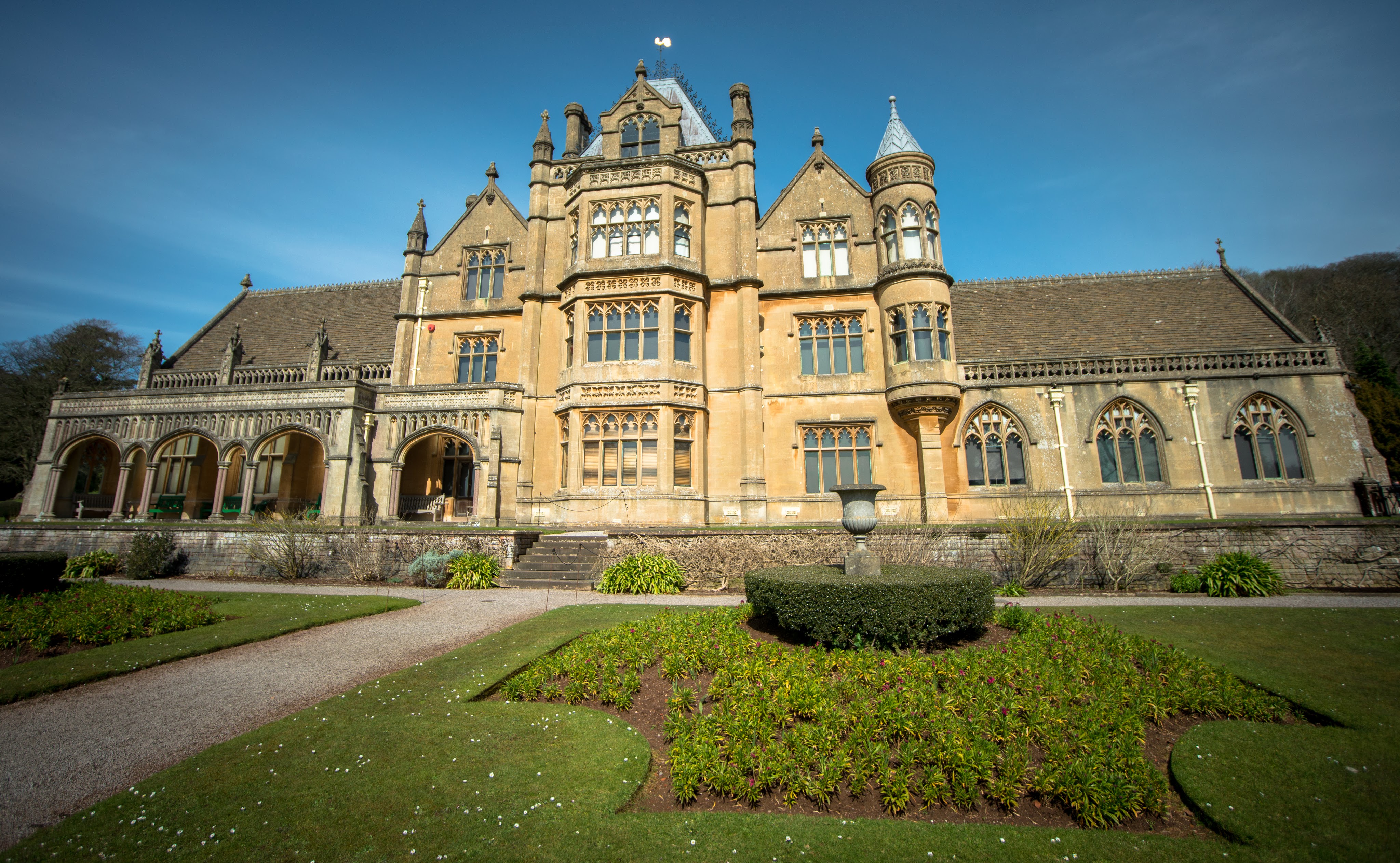
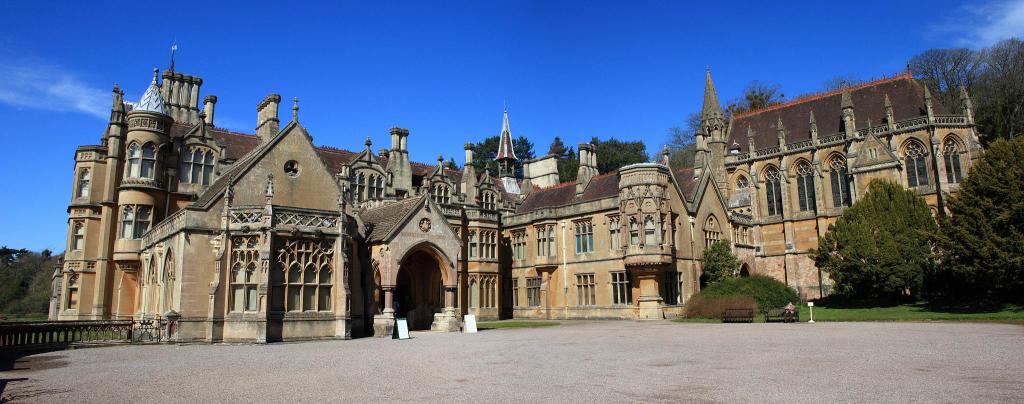
The chapel at Tyntesfield

In the television series Great British Railway Journeys, Michael Portillo got off the train to visit Tyntesfield1. One of the guides showed him around and explained to him that William Gibbs had no responsibility for the enslavement of the Chinese. He said, “It was the Peruvian government who were doing the mining”. In another typically British euphemism the guide admitted that the working conditions were “pretty grim”. There was no mention of the thousands of Chinese slaves who were worked to death mining the guano. Instead of this we heard that William Gibbs was teetotal, a pillar of the Establishment, a member of the High Anglican Church and believed in prayer, both in the morning and in the evening.

Then in 2018 came the programme in which Alan Titchmarsh eulogised William Gibbs using a tone that was deferential, respectful and, it has to be said, frankly sycophantic2.

You will remember that it was after this that I wrote to the customer services department at the National Trust (NT). As you know, they assured me that everything was changing at the NT: the programme presented by Titchmarsh was now two years old and they would never again speak of Tyntesfield in the same way: “we are now working to do more to talk about the horrific history of the guano industry and how it brought wealth to the Gibbs family”. In the future they would present “an accurate, open and inclusive history of the property including the link to the guano industry”.

But afterwards, only a few weeks ago, came the programme that the NT made in collaboration with Channel 4: in George Clarke’s National Trust Unlocked 3 they again painted William Gibbs as a very successful trader who made his fortune from a heap of bird droppings. Once again, we heard the same innocence, we heard the same old cliches, we heard the same ‘humorous’ remark and we heard the same expurgated version of what happened.

After my last blog post I wrote to Hilary McGrady, the Director General of the NT, asking her the reason why it was that the NT continued to talk about the guano without mentioning the slaves and the role that each and every one of them played in the creation of the Gibbs family fortune. Ms McGrady has spent a lifetime working in marketing. She understands very well the benefits of good publicity and the value of a good relationship with her public.

She did not deign to reply.

I do not understand why the NT considers itself obliged to be an apologist for a man who built his stately home on the profits he obtained from a Victorian concentration camp. I do not understand the reasons why the NT continues with the charade of insisting that William Gibbs was an honourable gentleman and an ingenious businessman.

Does the board of governors of the NT think that people will stop visiting Tyntesfield if it becomes known that it was built upon the torture and death of the real creators of the fortune that gave rise to the house and its grounds? I think this is an example of upside-down thinking. Generally speaking, the NT public is well educated and middle class and is comprised of people who would prefer to be informed of the true history of the place.

The reality is that the majority of NT members only want to have a nice day out with the family, going round a house of historic interest, strolling through the well-kept gardens and having something tasty to eat in the restaurant.

It is grotesque and deceitful that the NT should continue to limit itself to saying that it is most amusing that a man should have made a fortune out of the poo of South American birds. Because it is not true. The value was created by the slaves. Without the kidnapped Chinese workers imprisoned on the Chincha Islands, Gibbs could not have bought the guano at such a low price and sold it at such a profit. Not to recognise this is an insult to the intelligence of NT members. Moreover, it is an insult to the Chinese people who were sacrificed on those barren, remote and desolate islands.

Chinese lives matter as well.

References

1 Great British Railway Journeys S7 Ep 14. BBC 2015. At present this episode is not available on the BBC ¡Player. However, there is a poor-quality copy on YouTube.

2 Secrets of the National Trust S3 Ep 6, 08/08/2018. Channel 5

3 George Clarke’s National Trust Unlocked S1 Ep 4, 13/09/20 Channel 4

Tyntesfield, transparencia y la trata de esclavos chinos (2)

Elevación frontal de Tyntesfield. Wikimedia Commons. Foto por Bs0u10e01

Hace unas semanas vi un programa en el Channel 5 de Gran Bretaña. Se llamaba Secrets of the National Trust (Los secretos de la National Trust) en el que el presentador, Alan Titchmarsh, elogiaba a William Gibbs, el hombre que hizo construir Tyntesfield, su casa señorial.

Titchmarsh describió Gibbs como un cristiano maravilloso, un hombre amable y respetable, un hombre que había amasado una fortuna de una manera tanto ingeniosa como cómica: se le había ocurrido importar a Inglaterra una cantidad ingente de caca de pájaro del Perú, y lo había hecho unos 74 años antes de que se abriera el canal de Panamá; había traído en barco, cientos de miles de toneladas de excrementos casi 20 mil kilómetros por mar del Perú a Inglaterra y la había vendido por un dineral. ¡Qué hombre tan ingenioso e inofensivo!

Escribí a la National Trust y Channel 5 diciéndoles que cabía puntualizar que miles de chinos secuestrados tuvieron que morir en un campo de concentración para que Gibbs pudiese construir su fabulosa mansión y fue imposible que Gibbs no supiera nada de las condiciones de trabajo de los mineros. Era de conocimiento general entre los capitanes y las tripulaciones, los representantes de los exportadores (Gibbs era solo uno de muchos exportadores internacionales), los periodistas y diplomáticos. Incluso, existían fotos y dibujos del secuestro, abuso y tortura de los chinos.

Hay un buen resumen de los acontecimientos en inglés en The History of the Peruvian Guano Industry y se lo puede encontrar en el blog Jeff’s Travels at https://yaffle53.wordpress.com/2014/05/22/a-history-of-the-peruvian-guano-industry/. Incluye fotos y dibujos de la época.

Gibbs sabía lo que hacía, pero se sentía protegido por la ética cristiana victoriana. En la Gran Bretana del siglo 19 la desigualdad racial era un hecho aceptado. Sí, se había abolido la esclavitud negra pero eso no quería decir que los victorianos creyeran que la gente negra fuera su igual. Los negros eran reconocidos como seres humanos pero no eran los iguales del hombre blanco. Eran los recipientes de la simpatía de los abolicionistas, pero, al fin y al cabo, pertenecían a una raza inferior. No merecían ser tratados como animales pero eso no quería decir que tuvieran el derecho de considerarse los iguales del hombre blanco. Así fue con los chinos también.

Desde esa creencia generalizada en la inferioridad de otras razas fue un paso muy corto al desprecio. Y el desprecio por otros seres humanos lleva rápidamente a una indiferencia a su destino y lo que pudieran sufrir antes de su muerte.

Como buen cristiano, William Gibbs rezaba y se dejaba guiar por Dios. Todo formaba parte del eterno plan del Señor para el desarrollo del mundo. Según la lógica del día, Dios había creado los animales para servir a los seres humanos y había creado las razas humanas inferiores para ser instruidas y dominadas por los blancos. Por desgracia, algunos tendrían que dar su vida por el mayor beneficio de la humanidad (es decir, la humanidad blanca) y así cumplir la voluntad de nuestro Hacedor.

Recibí contestas de las oficinas de atención al cliente. Las dos respuestas, tanto la del Channel 5 como la de la National Trust tienden a ser algo formulaicas: están escritas en el lenguaje de las relaciones públicas; están diseñadas a tener un efecto tranquilizador; emplean eufemismos en vez de llamar las cosas por su nombre.

La portavoz de la National Trust escribió así:

“Somos conscientes por toda la National Trust que nos queda más por hacer en el análisis de las fuentes de la riqueza detrás de los edificios de que somos los guardianes. El programa se rodó hace 2 años y siguió la pauta según la cual representábamos a la casa y la familia en aquel entonces. Ahora, en todas las posesiones de la National Trust, estamos acelerando nuestros esfuerzos para investigar y destacar los lazos al colonialismo y la esclavitud, y como se adquirieron las riquezas que permitieron su construcción. Ahora en Tyntesfield estamos intentando hablar más sobre la historia horrorosa de la industria guanera y como la familia Gibbs se benefició de ella. El año pasado, por ejemplo, se presentó en Tyntesfield una muestra fotográfica de Olli Hellman, “$tow High en Transit”, que destacó la disparidad entre la riqueza de Tyntesfield y la decimación de las islas Chincha en que se minaba el guano. Esta muestra era temporal. Sin embargo, la interpretación continúa para que se asegure que podemos presentar una historia fiel, abierta e inclusiva de la mansión y sus lazos a la industria guanera.

A fin de abordar sus inquietudes, hemos hablado con los de Channel 5, y le van a escribir a usted, informándole que van a introducir una modificación al programa que refleje este punto de vista.

Por último, puede interesarle saber que a mediados de septiembre vamos a publicar un informe que destaca los lazos entre la esclavitud y el colonialismo en nuestros lugares en Inglaterra, Gales y el Norte de Irlanda; además este informe nos permitirá a poner al día las páginas web de nuestras propiedades y las explicaciones que se ofrezcan en los edificios mismos.

Gracias por tomar el tiempo para escribir a nosotros, y por compartir sus inquietudes. Espero que usted quede asegurado que hayamos hecho un compromiso para garantizar que estas historias se cuenten entera y honestamente.”

Ella dice que “El programa se rodó hace 2 años y siguió la pauta según la cual representábamos a la casa y la familia en aquel entonces”. Evidentamente, la portavoz no ha leído la guía de la National Trust de 2020 en la que se dice que la casa “fue creada para la familia Gibbs para que celebraran sus logros, criaran a sus hijos y compartieran su dedicación a la familia y la fe” y la historia de William es de “un amor joven …..una familia estrechamente unida, y la creación de una gran fortuna”.

No, aquí en la guía actual, no hay ninguna mención de los chinos que obligaron a trabajar hasta que murieran.

En su email la portavoz escribe también de la exposición, $tow High in Transit, una decena de yuxtaposiciones fotográficas en las que se contrastaban la riqueza de la casa y el jardín de Tyntesfield con los estériles y cáusticos entornos de las islas Chincha. Estas fotos estaban expuestas en caballetes esparcidas por toda la casa. No tenían ni explicación ni pies y no ilustraban la vida de los mineros. A falta de ninguna otra explicación, habría sido muy fácil que un visitante a la casa concluyera de las fotos que William Gibbs era nada menos de un genio y prestidigitador que había hecho aparecer una fortuna como por arte de magia y sin causar daño a nadie.

Es todavía más difícil creer que la National Trust haya hecho borrón y cuenta nueva cuando acaban de grabar, hace unas semanas, otro programa sobre Tyntesfield en el que incidieron en los mismos errores de siempre.  Esta vez lo han hecho en colaboración con el Channel 4. En la última entrega de George Clarke’s National Trust Unlocked (13/09/20) le pintan a William Gibbs como un comerciante muy exitoso que hizo su agosto vendiendo un montón de caca de pájaro. Una vez más, vemos la misma inocencia y los mismos tópicos, oímos la mismísima “nota de humor” y oímos la misma versión expurgada de lo que realmente pasó. Qué reconfortante.

Los del Channel 5 me enviaron esto:

“Channel 5 agradece todas las opiniones de sus espectadores y gracias por tu email y tus observaciones acerca de Tyntesfield y sus vínculos con los mineros esclavidos. Hemos examinado esta cuestión. Rodamos este programa hace más de un año y nos dejamos guiar por la Trust y la manera en la que, en aquel entonces, ellos presentaban la historia de la casa y la familia. No creemos que el programa fuera engañoso, pero sí reconocemos que era lamentable no reconocer la pésima situación de los trabajadores que cosechaban el guano. Tenemos entendido que la Trust ahora está reconsiderando la manera en que se presenta el pasado de sus propiedades, y está acelerando sus esfuerzos para investigar y presentarlo al público en el contexto de las historias mundiales, explicando a la vez, las fuentes de la riqueza con las que los edificios se construyeron y se amueblaron. A fin de reflejar eso, vamos a añadir una ficha al programa para explicar este aspecto de la historia y la respuesta de la Trust. De vez en cuando Los secretos de la National Trust tiene un estilo bastante desenfadado y el programa se concentra en las casas y sus secretos físicos, pero, sobre las tres series el programa ha reconocido los vínculos a la esclavitud y las relaciones con el pasado imperial británico.  Sin embargo, lamentamos que no lo hicimos en este caso particular. Te agradecemos que hayas llamado nuestra atención a este punto.”

Pedí dos veces una clarificación del término “añadir una ficha” pero el personal de Channel 5 no se dieron la molestia de responder. Creo que se trata de insertar un texto, un comentario o talvez un enlace a una página web.

El portavoz dice también que “era lamentable no reconocer la pésima situación de los trabajadores que cosechaban el guano”. Cosechar es un verbo que suscita imágenes románticas de campesinos que siegan campos de trigo dorado o recogen a mano las frutas y verduras de una huerta. Cosechar no es un verbo que describe la realidad de los mineros de las Chinchas quienes fueron forzados a trabajar en condiciones infrahumanas hasta que murieran de agotamiento, tortura y enfermedad. El mero uso del verbo indica la falta de comprensión por parte del portavoz.

Este es un tema central de la historia de Tyntesfield. No es suficiente que añadan una ficha. El programa debería volverse a grabar para explicar debidamente la verdadera relación entre Tyntesfield y la manera en la que se amasaron los fondos para su construcción.

Tyntesfield, Transparency and the Chinese Slave Trade (2)

Photo by Bs0u10e01 from Wikimedia Commons: Front elevation of Tyntesfield, near Bristol UK

A few weeks ago, I watched Secrets of the National Trust, a Channel 5 programme on which the presenter, Alan Titchmarsh, was praising William Gibbs, the man who built Tyntesfield.

Titchmarsh described Gibbs as a marvellous Christian, a kind and respectable man who had amassed a fortune in a way that was as ingenious as it was comical: it had occurred to Gibbs to import into England an enormous quantity of bird poo from Peru, and he had done so some 74 years before the opening of the Panama Canal. He had brought hundreds of thousands of tons of excrement more than 12 thousand miles by sea from Peru to England and he had sold it for a mint. What an ingenious and inoffensive man!

I wrote to the National Trust and to Channel 5 saying that it was worth pointing out that thousands of kidnapped Chinese miners had to die in a concentration camp in order that the Gibbs family could make the money to build its fabulous mansion and it was impossible that Gibbs was unaware of the working conditions of the men. It was common knowledge amongst the captains and the crews, the exporters’ agents (Gibbs was only one of many international exporters), journalists and diplomats. There even existed photos and sketches of the kidnapping, abuse and torture of the Chinese.

The History of the Peruvian Guano Industry is a good summary of events and is to be found on the WordPress blog, Jeff’s Travels at https://yaffle53.wordpress.com/2014/05/22/a-history-of-the-peruvian-guano-industry/. It includes photos and drawings from the time.

Gibbs knew what he was doing but he felt protected by Victorian Christian ethics. In the Great Britain of the 19th century racial inequality was an accepted fact. Yes, black slavery had been abolished but this did not mean that black people were the equals of whites. They were the recipients of the abolitionists’ sympathy but, at the end of the day, they belonged to an inferior race. They didn’t deserve to be treated as animals but that didn’t mean that they had the right to consider themselves the equals of the white man. It was the same with the Chinese.

From this general belief in the inferiority of other races, it was a short step to contempt. And contempt for other human beings leads rapidly to an indifference to their fate and what they might suffer before their death.

As a good Christian, William Gibbs prayed to God and was guided by Him. Everything formed part of the Lord’s eternal plan for the development of the World. According to the logic of the day, God had created the animals to serve human beings and had created the inferior human races to be instructed and dominated by the whites. Unfortunately, would have to give their lives for the greater good of humanity (that’s to say, white humanity) and in this way fulfil the wishes of our Maker.

I received replies from the customer service desks of Channel 5 and the National Trust. Both responses tend to be somewhat formulaic: they are written in the language of public relations; they are designed to have a soothing effect; they employ euphemisms instead of calling things by their name.

The spokesperson for the National Trust wrote:

“We are aware that across the National Trust we have more work to do to address the sources of wealth at the places we look after. This programme was filmed 2 years ago and followed the way that, at that time, the story of the house and family was presented by us. We are now accelerating the work we are doing across all National Trust properties to research and highlight links to colonialism and slavery and how the wealth was acquired that built and furnished them. At Tyntesfield we are now working to do more to talk about the horrific history of the guano industry and how it brought wealth to the Gibbs family. For example, last year the property hosted an exhibition of photography by Olli Hellman, $tow High in Transit, which explored the disparity between Tyntesfield’s wealth and the decimation of the Chincha islands where the guano was mined. This display was a temporary exhibition, however, further interpretation is currently being researched to ensure that we can present an accurate, open and inclusive history of the property including the link to the guano industry.

In order to address your concerns we have spoken to Channel 5 who will be making you aware that they are adding an amendment to the episode for future broadcasts that reflects this position.

Finally, you may be interested to know that we are publishing a report in mid-September that highlights slavery and colonialism connections at National Trust places in England, Wales and Northern Ireland and which will also enable us to update property websites and on-site interpretation to take account of the report’s findings.

Thank you for taking the time to write to us, and for sharing your concerns, I hope you are reassured that we are fully committed to ensuring these stories are more fully and honestly told.”

She says that “This programme was filmed 2 years ago and followed the way that, at that time, the story of the house and family was presented by us.” Evidently, she has not read the 2020 guide to the National Trust in which it says that the house “was created for the Gibbs family to celebrate their achievements, raise their children and share their passions for family and faith” and the story of William is of “young love… a close-knit family and the making of a vast fortune”.

No, here in the present guidebook, there is no mention of the Chinese who were forced to work until they died.

The spokesperson also mentions the exhibition, $tow High in Transit, ten photographic juxtapositions which contrast the richness of the house and garden at Tyntesfield with the sterile and caustic surroundings of the Chincha Islands. These photos were exhibited on easels scattered around the house. They had neither captions nor explanations and they didn’t illustrate the life of the miners. In the absence of any other explanation it would have been very easy for a visitor to the house to conclude from the photos that William Gibbs was no less than a conjuror and a genius who had made a fortune to appear as if by magic and without causing anyone harm.

It’s even more difficult to believe that the National Trust has turned over a new leaf when they have just recorded, a few weeks ago, another programme about Tyntesfield in which they fall into the same old ways. This time they’ve collaborated with Channel 4. In the latest episode of George Clarke’s National Trust Unlocked they portray William Gibbs as a very successful merchant who made his pile selling a pile of bird poo. Once again, we see the same innocence and the same clichés, it strikes the very same “humorous note” and we hear the same old bowdlerised version of what really happened. How comforting.

Channel 5 sent me this:

“Channel 5 appreciates all viewer feedback and thank you for your letter and your observations about Tyntesfield, and its links with enslaved miners. We have looked into this. The programme was filmed more than a year ago and we were guided by The Trust and the way they, at that time, presented the story of the house and family. We don’t feel the programme was misleading, but we accept that it was unfortunate not to acknowledge the terrible situation of the workers who harvested the Guano. We understand that the Trust is now reappraising the way it presents its building’s stories, and is now accelerating work at its properties in researching and bringing to the public the wider world histories, and the sources of wealth that built and furnished them. To reflect this, we are adding a card to the programme to explain this element of the story and the Trust’s response. Secrets of The National Trust does have a quite light hearted approach to its stories on occasion, and mainly concentrates on the houses and their physical secrets, but over three series it has acknowledged the links to slavery and connections with Britain’s imperial past on many occasions. However, we regret that this was not done in this particular programme. Thank you for bringing this to our attention.”

I twice requested a clarification of the term “add a card” but the staff at Channel 5 couldn’t be bothered to reply. I believe that it means to insert a text, a commentary or perhaps a link with a web page.

The spokesman also claims that “it was unfortunate not to acknowledge the terrible situation of the workers who harvested the Guano.” To harvest is a verb which conjures up images of rural folk who reap fields of golden wheat or pick by hand the fruit and vegetables in a market garden. Harvest is not a verb that describes the reality of the miners on the Chincha islands who were forced to work in subhuman conditions until they died from exhaustion, torture and illness. The mere use of the verb indicates a lack of understanding on the part of the spokesman.

This is a central issue of the history of Tyntesfield. It is not sufficient to “add a card”. The programme should be recorded again in order to explain the true relationship between Tyntesfield and the way in which the funds were produced for its construction.

Covid 19: A lo único que debemos temer es al temor mismo

(English version below)

El abril de 2020 fue el mes dramático en el que el Covid 19 irrumpió en el Reino Unido. Hizo estragos e infundió pánico a la ciudadanía.

Desde ese momento en adelante la enfermedad empezó por la senda de declive.  Ahora, cinco meses después de su erupción, la infección languidece en la lenta manera típica de cualquier epidemia, desapareciendo a la derecha del gráfico como una línea cada vez más plana.

A pesar de esto, no hay ningún sentido de alivio generalizado. Más bien, hay una reacción paradójica.

Cuanto más baja la tasa diaria de muertes*,

Cuanto más se desciende la cifra de gente ingresada*,

Cuanto más se reduce la cantidad de los pacientes que requieren ventilación mecánica*,

…….más se incrementa la histeria.

Acabamos de volver, un amigo y yo, de una semana en Cornualles, un condado atlántico que se parece un poco a Galicia. No hay mucha industria por ahí y es un lugar que depende del turismo. Hasta hace poco el turismo se quedó suspendido a causa del virus. Antes de que se levantara la suspensión las advertencias gubernamentales dieron un susto de muerte a la gente local y las cámaras de comercio de la comarca: Iban a punto de recibir una invasión de zombis. 

El primer día de nuestras vacaciones decidimos dar un paseo a la playa. Estaba comenzando a llover y decidimos echar el atajo que nos llevaba por un prado. Notamos que una pareja de ancianos estaba observándonos desde una colina en medio del campo que atravesábamos. Antes de que llegamos a su altura ellos se alejaron exageradamente del sendero, apartándose varios metros de nosotros. La señora se dirigió a nosotros en un tono sarcástico:

“¿Llevan con ustedes el gel antiséptico que necesitarán para limpiar sus manos antes de que agarren la verja?” Pues, yo no esperaba tanta hostilidad y su brusquedad me dejó estupefacto Y no sabía cómo responder. Decidimos fingir que no habíamos oído sus palabras y pasamos de largo.

En el pequeño pueblo en que habíamos alquilado un apartamento el temor de contagio estaba muy, muy alto. No estábamos permitido tomar café en la cafetería. Teníamos que pedir un café para llevar, y lo hacíamos a la puerta del local, solicitándolo por una ranura de buzón que habían cortado en el centro de una gruesa lámina de plástico que cubría la puerta.  Al otro lado de la lámina protectora estaba una mujer que llevaba delantal, mascarilla y guantes desechables.  Un segundo empleado, que iba ataviado de manera similar, entregó el café dejándolo en otra ventanilla de dimensiones parecidas a las de la primera, la única diferencia siendo que esta vez la ranura estaba orientada verticalmente.

Muchas personas siguen muy preocupadas y desconfían de la gente con la que se cruzan en la calle. Andan con cara de pocos amigos. Cambian de acera para no tener que hablar con sus vecinos. Se muestran agresivas cuando creen que otros no mantienen la distancia. Hay mucha gente que nunca se quita la mascarilla por los riesgos de contaminación, hasta cuando conducen con las ventanillas cerradas; se parapetan detrás del volante, sus ojos revelando una mezcla de resentimiento, inquietud y paranoia; parecen estar en fuga.

Estoy preocupado por la salud mental de los ingleses. Alguien describió el carácter inglés como “cortés pero hostil”. La descripción tiene un fondo de verdad. Nuestro carácter ya es receloso, reservado y distante. ¿Cuáles serían las consecuencias para nosotros si pasáramos un período prolongado en el que nos acostumbráramos a rechazar todo contacto con los demás? ¿Nos volveríamos aún más xenófobos, aún más renuentes a participar con otras naciones y aún más aislados personal y nacionalmente?

Según muchos expertos (si hay expertos en esta pandemia) parece posible que nunca vamos a eliminar el virus por completo. Puede que la línea del gráfico jamás sea plana del todo.

En el comienzo, el virus causó un elevado número de víctimas mortales entre el personal médico y enfermero y entre otros trabajadores (por ejemplo, conductores de autobuses), gente que tuvo una exposición prolongada a la infección. También, afectó desmesuradamente a los obesos, los enfermos crónicos y los que tuvieron el sistema inmunitario debilitado. Y por supuesto, impactó mal en la gente desfavorecida de este país, la gente que lleva una vida más precaria, más hacinada, peor nutrida y con menos acceso a la atención médica.

Recientemente el número de personas positivas está en alza. Pero, a la vez el número de pruebas ha proliferado. Y esto puede tener algo que ver con la subida de la tasa de detección. Por fortuna, las muertes, los pacientes ingresados y los que necesitan ventilación asistida siguen a la baja.

Con el número de personas que ya han tenido el virus, los que lo han contraído recientemente y los que todavía no lo hayan padecido pero que hacen cola sin saberlo, parece que por fin nos estamos acercando a una solución: vamos derivando, de manera lenta pero segura, hacia una inmunidad colectiva. Y si esta no se produce pronto, los asesores gubernamentales nos aseguran que hay en camino una campaña de vacunación.

Por supuesto van a producirse rebrotes. Además, los virus mutan cuando quieran. Sin embargo, en un futuro no demasiado lejos, el Covid 19 y sus derivaciones pasarán a ser nada más que nuevos miembros de la pandilla de enfermedades seudogripales que acechan a los debilitados que ya no puedan resistir; a los ya afligidos de otras enfermedades terminales; a los que se acerquen al final de sus días. El Covid se convertirá en un ejemplo más de las muchas enfermedades letales que se emboscan para sorprendernos con la dosis letal. Ya no será la peste mortífera que la creíamos en su cenit, la plaga bubónica que amenazaba con diezmar la población del mundo, sino otro disfraz que lleve la parca cuando nos abofetee en el último momento con el golpe de gracia.

Tenemos que morir de algo. Entonces, a un punto indeterminado en el futuro, tendremos que aceptar el virus, aprender a bajar la guardia y seguir con nuestras vidas.

Ojalá decidamos hacerlo más pronto que tarde. Ojalá se acabe nuestra pusilanimidad cuanto antes.

Deberíamos recordar las palabras de Franklin Roosevelt en su discurso en la ocasión de su inauguración como presidente de EEUU en 1933, otro año de crisis global; una crisis causada no por una pandemia sino por la Gran Depresión;

“Por tanto, ante todo, permítanme asegurarles mi firme convicción de que a lo único que debemos temer es al temor mismo, a un terror indescriptible, sin causa ni justificación, que esta paralizando los esfuerzos necesarios para convertir el retroceso en progreso.”

* https://coronavirus.data.gov.uk/

Covid 19: The only thing that we have to fear is fear itself

April 2020 was the dramatic month in which Covid 19 burst upon the United Kingdom. It caused havoc and spread panic amongst the population.

From that time onwards the illness began its downward path. Now, five months after its eruption the infection languishes in the gradual way of all viruses, slowly flatlining to the right of the graph.

Despite this, there is no generalised sense of relief. Rather, there is a paradoxical reaction.

The more that the daily death rate declines*,

The more that the number of people in hospital goes down*,

The less patients who require mechanical ventilation*,

……the more the hysteria rises.

A friend and I have just returned from a week in Cornwall, an Atlantic county which somewhat resembles Galicia. There isn’t much industry around there and it’s a place that depends upon tourism. Until very recently tourism was suspended because of the virus. Before the suspension was lifted, government warnings put the fear of God into the local people and the chambers of commerce of the region: they were about to receive an invasion of zombies.

The first day of our holiday we decided to walk to the beach. It was beginning to rain and we decided to take the short cut across a field. We noted that an elderly couple were observing us from a rise in the centre of the field that we were crossing. Before we reached their viewpoint they moved away exaggeratedly from the footpath, distancing themselves several metres from ourselves. The lady addressed us in a sarcastic tone:

“Do you have the antiseptic gel with you that you will need to clean your hands before you open the gate?” Well, I wasn’t expecting such hostility and I was struck dumb by her rudeness. I didn’t know what to say. We decided to pretend we hadn’t heard and walked on.

In the small town in which we had rented an apartment the fear of contagion was high, very high. We were not allowed to drink coffee in the café. We had to order one to take away, and we did so at the door of the establishment, asking for it through letter box that they had cut in the middle of a thick sheet of plastic covering the doorway. On the other side of the protective screen stood a woman wearing an apron, a mask and disposable gloves. A second employee, who was got up in the same way, delivered the coffee, leaving it in another little opening of a similar size as the first, the only difference being that this time it was oriented vertically.

Many people continue to be very worried and mistrust others they meet in the street. They look friendless. They switch pavements to avoid talking to their neighbours. They become aggressive when they think others are not keeping the right distance. To avoid the risk of contamination, many people never take off their masks, even when they are driving with the windows up; they barricade themselves behind the steering wheel, their eyes revealing a mixture of resentment, disquiet and paranoia; they look as if they are on the run.

I am concerned for the mental health of the English. Someone described the English character as “polite yet hostile”. The description contains some truth. Our character is reluctant, reserved and distant. What would be the consequences for us if we were to spend a prolonged period during which we became accustomed to reject all contact with others? Would we become even more xenophobic, even more reluctant to participate with other nations and become even more isolated personally and nationally?

According to many experts (if there are experts on this pandemic) it seems possible that we will never totally eliminate the virus. It might be that the graph never truly flatlines.

In the beginning, the virus caused great loss of life amongst medical and nursing staff as well as other workers (such as bus drivers, for example), people who had had prolonged exposure to the infection. Also, it affected disproportionately the obese, the chronically ill and those with a suppressed immune system. And, of course, it impacted badly on the underprivileged of this country, the impoverished, the overcrowded, the badly-fed and those who have less access to medical treatment.

Recently the number of people who have tested positive has been on the rise. But, at the same time, there has been a proliferation of testing and this might have something to do with a rise in the rate of detection. Fortunately, the numbers of deaths, patients in hospital and those on assisted ventilation continue to go down.

With the number of people who have had the virus, those who have contracted it recently and those who haven’t suffered it yet but who are unknowingly in the queue, it seems we are nearing a solution: we are drifting, slowly but surely, towards a herd immunity. And if this doesn’t come soon, government advisors assure us that a programme of vaccination is on the way.

Of course, there will be new outbreaks. Besides, viruses mutate when they feel like it. However, in the not too distant future, Covid 19 and its variants will become no more than fresh members of the gang of flu-like diseases that lie in wait for those who are too weak to resist; those who are already suffering from terminal illness; those who are nearing the end of their lives. Covid will become just another one of the many illnesses that leap out and surprise us at the last minute with a lethal dose. It will no longer be the deadly disease we believed it to be at its height, the bubonic plague that threatened to decimate the population of the World, but simply another get-up worn by the Grim Reaper when he cuffs us with the coup de grâce.

We have to die of something. So, at some time in the future, we will have to accept the virus, learn to lower our guard and get on with our lives.

Let’s hope we decide to do it sooner rather than later. Let’s hope our faintheartedness comes to an end as soon as possible.

We should remember the words of Franklin Roosevelt on the occasion of his inauguration as President of the United states in 1933, another year of global crisis; a crisis not caused by a pandemic but by the Great Depression:

“So, first of all, let me assert my firm belief that the only thing we have to fear is fear itself, nameless, unreasoning, unjustified terror which paralyzes needed efforts to convert retreat into advance.”

* https://coronavirus.data.gov.uk/

¡Las vidas negras importan! ¿Qué es lo siguiente?

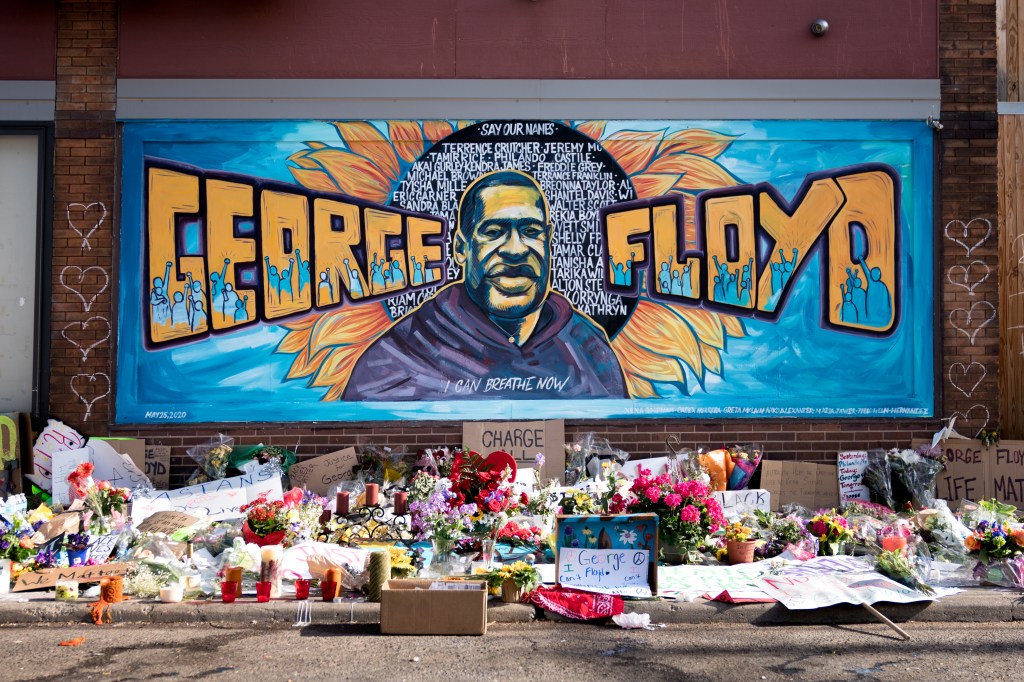
photo by Laurie Shaull https://www.flickr.com/photos/number7cloud/49959004213/

(An English translation can be found in the previous post)

Vi recientemente una entrevista con el cineasta negro, Spike Lee, en la que el repetía algo que había ido diciendo desde hace muchos años: EEUU fue fundado sobre el genocidio de la población autóctona y la labor forzada de millones de esclavos negros arrancados cruelmente de sus familias en África. Con fundamentos así, decía Lee, no era ninguna maravilla que el país se hubiera desarrollado de una manera violenta y opresiva para con el hombre negro.  

Es difícil decir algo nuevo sobre el racismo; imposible que encuentres algo que todavía no se haya dicho sobre la inhumanidad del hombre hacia el prójimo. Mas difícil aún es imaginar como los estadounidenses van a salir del l en que se han metido.

En el mes que siguió el asesinato de George Floyd hubo manifestaciones multitudinarias y disturbios callejeros; estatuas de esclavistas fueron pintarrajeadas, dañadas o derribadas. Todavía no hay partido de fútbol en este país que no comience sin que los todos jugadores hinquen la rodilla antes de la primera patada.

En este primer mes hubo una efusión de palabras y promesas y gestos de solidaridad con la población de color. Vimos a gente blanca pidiendo perdón y expresando su arrepentimiento por el comportamiento de sus congéneres. Otros contribuyeron dinero a la causa. Incluso oímos decir de personas que hicieron reparaciones financieras individuales, enviando ofrendas de dinero a personas concretas, intentando disculparse así, no por sus propias transgresiones, sino por los horrores del pasado y del presente cometidos por la raza blanca.  

En su columna de opinión muy elocuente en El Times (una versión abreviada del New York Times en español) del 16/06/20 el autor negro, Chad Sanders, escribe que los emoticonos y las buenas vibraciones de la gente blanca no ayudan. Dice que está recibiendo a diario cientos de gestos de solidaridad blancos como este:

“Hola amigo. Solo quería contactarte y hacerte saber que te quiero y valoro profundamente que estés en mi vida y que tus historias estén en el mundo. Y lo lamento mucho. Este país está muy mal, enfermo y lleno de racismo. Perdón. Creo que estoy cansado de esto; mientras tanto, me duermo en mis laureles de privilegio blanco. Te quiero y estoy aquí para luchar y ser útil de todas las formas posibles ❤️❤️❤️”.

Sanders dice que, en vez de enviarle mensajes así, en los que la gente blanca le utiliza de basurero de culpa y vergüenza, estas personas afligidas de una responsabilidad momentánea deberían ofrecer cosas más útiles y duraderas para defender a sus compatriotas negras:

  • Dinero: Para fondos que pagan los costos legales de las personas negras que han sido arrestadas, encarceladas o asesinadas injustamente o para apoyar a los políticos negros que contienden a un cargo público.
  • Mensajes: Para sus parientes y seres queridos diciéndoles que no los van a visitar ni responderán sus llamadas telefónicas sino hasta que realicen acciones significativas para apoyar las vidas negras, ya sea mediante la participación en protestas o contribuciones financieras.
  • Protección: Para los compañeros negros que salen a manifestarse y corren mayor riesgo de salir lesionados durante las protestas.”

No se puede negar el valor de estas medidas pero sólo son útiles hasta cierto punto. Más bien son medidas defensivas y no hacen frente directamente a los diablos que llevan siglos asediando la sociedad norteamericana.

Tampoco ayudan mucho en mantener el ímpetu revolucionario obtenido a través de la divulgación del video del asesinato de George Floyd. No me interpretéis mal. Sólo quiero decir que, tristemente, el ímpetu va desvaneciéndose sin estímulo continuo. La historia sugiere que dentro de poco el revuelo actual se apaciguará y las aguas volverán a su cauce. El racismo ya ha sobrevivido un sinnúmero de horrendos casos. Poco ha cambiado a lo largo de los últimos setenta años pese a los linchamientos de niños, las muertes de líderes negros abatidos en pleno discurso público o asesinados a sangre fría mientras dormían en sus camas.

Después de cada atrocidad vuelve el statu quo.  Y la táctica reaccionaria es siempre igual. Durante el período sensible en el que se descarga la ira pública, los policías, los rednecks, los republicanos, y los cabilderos a favor de las armas mantienen el pico cerrado y esperan a que pase la tormenta. Y pasa, como siempre pasa – porque The American Way of Life, el estilo de vida americana se ha acostumbrado a este tipo de cosas. Se ha adaptado y se ha curtido con este sufrimiento. Se acepta que el racismo y la muerte violenta son cosas lamentables pero inevitables.

Ya comienza a notarse la actitud de resignación en el caso de George Floyd.

Lo que hace falta es una campaña que sirva para mantener el impulso del primer mes y que perdure sin tener que contar con repetidas atrocidades; una campaña que tenga el poder de unificar a los liberales blancos con la gente negra y hacerlo a largo plazo; una empresa en la que puedan hacer causa común. Y tiene que ser algo que va estrechamente relacionado con la meta de reducir la enorme violencia inherente en la sociedad norteamericana: hay que buscar una alianza contra la cosa que amenaza con destruir la vida de todos. Idealmente, sería una alianza que pudiera abordar eficazmente el problema que va más estrechamente relacionado con el alto índice en EEUU de asesinatos, de tiroteos diarios en la calle, de masacres estudiantiles y de opresión racial: es decir, el problema de cómo suprimir el derecho de poseer las armas; el problema de cómo derogar la Segunda Enmienda de la Constitución Estadounidense que atorga a cualquier pistolero lunático el sagrado derecho de llevar sus adoradas armas de fuego.  

Hay que recordar que este derecho fue dado Al Pueblo (blanco) en 1791, hace casi dos siglos y medio. En los muchos debates sobre la Enmienda que han tenido lugar a lo largo de los últimos doscientos años siempre se ha hablado de los dos únicos posibles interpretaciones de ella: o se pretendía que la Enmienda fuera una garantía de que el pueblo podía alzarse en armas contra un gobierno tiránico o, por otro lado, se pretendía dar a los ciudadanos individuales el derecho de llevar armas para defenderse contra cualquier posible ataque personal.

Visto desde fuera y a estas alturas, este debate parece irrelevante en el siglo 21. Hoy en día es absurdo considerar que pudieras derribar un gobierno tiránico con unas cuantas armas ligeras. Me parece a mí que el debate nunca dio en el clavo:  la Enmienda fue instituida en el siglo dieciocho porque EEUU era un país sin ley y todo el mundo necesitaba un arma para defenderse del otro. La ley fue introducida porque el EEUU de 1791 fue una sociedad profundamente insegura en la que todas las personas estaban siempre mirando por encima de su hombro, temerosas de ser atacadas por los malos.

Pero, eso no era el único motivo por el cual la población blanca necesitaban armas. Hubo otro, tácito: los colonos blancos las necesitaban para que pudieran defenderse contra cualquier ataque por parte de los llamados “pieles rojas”, la gente indígena que estaba siendo masacrada y deportada por la política del gobierno; a la vez, los negreros y sus capataces las necesitaban para exigir la obediencia de sus esclavos negros; la gente corriente blanca las necesitaban para que sus criados negros no padecieran delirios de igualdad; era una medida para fortificar el control que la población blanca ejercía sobre las razas subjugadas.

Una vez introducida la Segunda Enmienda ya no había vuelta atrás porque nadie quería renunciar su propia pistola porque nadie quería quedarse indefensa ante los demás. Era un círculo que se ha hecho cada vez más viciosa. Hoy en día, hasta los miembros de la población negra que, en el pasado no quisieron armarse, están comprando armas para defenderse.

Las millones de muertes causadas por pistolas y rifles de asalto han creado un ambiente de miedo nacional. En barrios negros y de minoritarios étnicos, la gente vive en el perpetuo temor de ser matada por la policía o vigilantes; en colegios, institutos y universidades la gente siempre está atenta a la posible aparición de otro asesino que posee la combinación mortífera de un trastorno mental y un rifle Kalashnikov. Y cada vez que esto ocurre y mueren docenas de niños, oímos el llanto y el crujir de dientes, pero nunca se hace nada para prevenir que vuelva a ocurrir. Y la vida continúa. Y andamos esperando la próxima matanza masiva o el próximo asesinato de una persona negra a manos de la policía.

No soy tan imbécil que yo crea que una campaña de blancos y negros unidos para abolir la Segunda Enmienda va a cambiar las actitudes empedernidas de la noche a la mañana: no quiero subestimar la desprotección que sienten tantos americanos cuando no van sin pistola en el cajón de la cocina o en la guantera del coche; asimismo, sería ingenuo a pasar por alto los intereses financieros y la palanca que tiene la Asociación Nacional del Rifle y la industria armamenticia. Aunque yo creo que tal campaña es una etapa clave en la lucha para unificar blancos y negros y así es esencial para la creación de una sociedad mutuamente comprensiva, entiendo bien que tal empeño pueda ser un encargo demasiado complicado, si quieres contar con el apoyo de los políticos que se limitan a balbucear chorradas como ‘las armas no matan a las personas, las personas matan a las personas’.

Como escribió Vicky Elliott tan sucintamente en su artículo sobre la pena de muerte en El correo de la UNESCO en 1999:

“En esta cultura basada en principios puritanos y que exalta el uso de las armas, las relaciones humanas se plantean aún en términos maniqueos. En un clima influenciado por sectores religiosos conservadores, pronunciarse públicamente contra la pena capital es poco menos que un suicidio político.”

Talvez, en un principio, la alianza debiera restringirse a la campaña popular que sigue ganando fuerza (Defund the Police!), esa de que los gobiernos estatales retiren fondos de los departamentos de policías para volver a invertirlos en programas sociales, empleando, por ejemplo, asistentes sociales en casos de emergencias no violentas.

Pero ojo. Hay un auténtico problema en abolir la policía por completo, en erradicarla sin más ni más. ¿Quiénes la van a sustituir? Los asistentes sociales no servirán para nada en la detención de los autores de crímenes violentos, violaciones, abusos de menores, la pornografía infantil, la violencia de género, el maltrato de los viejos y gente discapacitada etcétera. ¿Quién va a llevar a cabo los arrestos de personas implicadas en la corrupción y el crimen organizado? Si deja de existir la poli, no van a dejar de existir los matones, los sicarios, los psicópatas, y los estafadores. Él que la policía represente poco valor por el dinero que les pagamos no quiere decir que no nos haga falta fuerzas del orden. *

¿Y no debería resolverse el problema de la droga antes de desbandar la poli? Mucha gente cree que deberíamos despenalizar la droga y tratar a los drogadictos como enfermos en vez de castigarles por su toxicomanía. Pero hay que hacerlo debidamente y crear un servicio para tratarlo antes de que despidamos a la policía.

Claro que la policía norteamericana es un flagelo de la gente negra. Claro que los policías se entretienen en los barrios negros y muchas veces sólo sirven para acosar, intimidar y detener; en el peor de los casos sólo provocan derramientos de sangre. Claro que hay que cortarle las alas. Claro que hay que hacer algo ahora. Pero, la violencia en EEUU es un problema complicadísimo y no se va a esfumar con la supresión de la policía y no sólo porque los criminales seguirán existiendo, sino también porque el crimen y su castigo es un gran negocio por allí; el mercado doméstico de la compra y venta de armas mueve billones de dólares cada año; no hay otro lugar en el mundo en el que la industria penitenciaria sea tan rentable.

Todo se remonta a 1791. Pero, bueno, si una campaña para quitarle fondos a la policía tiene éxito los organizadores pueden proceder luego al desmantelamiento de la Segunda Enmienda.

*Lástima que se haya acuñado el término defund, porque en inglés este neologismo tiene un cierto trasfondo que implica “quitarles los fondos por completo” en vez de reducirlos parcialmente.

Black Lives Matter. What next?

Lorie Shaull – https://www.flickr.com/photos/number7cloud/49959004213/

(la traducción al español aparecerá en breve)

I recently saw an interview with the black film-maker Spike Lee in which he repeated something he has been saying for many years: The United States was founded on the genocide of the indigenous population and the forced labour of black slaves wrenched cruelly from their families in Africa. With beginnings such as these it was no wonder that the country had developed in a violent and oppressive way towards the black man.

It’s difficult to say anything new about racism; impossible to find something which hasn’t already been said about man’s inhumanity to man. More difficult still to imagine how the Americans are going to get out of the mess they have made.

In the month that followed the murder of George Floyd there were mass demonstrations and street riots; statues of slavers were damaged, defaced or demolished. It is still the case that no football match in this country kicks off without all the players first taking a knee.

In this first month there was a profusion of words and promises and gestures of solidarity with people of colour. We witnessed white people begging forgiveness and expressing their regret for the behaviour of their fellow beings. Others gave money to the cause. We even heard of people making financial reparation to individuals, sending monetary offerings to people, and by this method attempting to cleanse themselves not of their own sins but of the horrors of the past and present committed by the white race.

In his very eloquent opinion column in the New York Times of June 5th 2020, the black author, Chad Sanders, writes that the emojis and the good vibrations from white people do not help. He says that he is receiving hundreds of gestures of white solidarity such as this:

“Hi friend. I just wanted to reach out and let you know I love you and so deeply appreciate you in my life and your stories in the world. And I’m so sorry. This country is deeply broken and sick and racist. I’m sorry. I think I’m tired; meanwhile I’m sleeping in my Snuggie of white privilege. I love you and I’m here to fight and be useful in any way I can be❤️❤️❤️.”

Sanders says that these white “friends” are only afflicted by a fleeting responsibility; instead of texting him such messages and using him as a rubbish bin for their guilt and shame, they would do better to offer the kind of help which is more lasting and worthwhile:

  • Money: To funds that pay legal fees for black people who are unjustly arrested, imprisoned or killed or to black politicians running for office.
  • Texts: To your relatives and loved ones telling them you will not be visiting them or answering phone calls until they take significant action in supporting black lives either through protest or financial contributions.
  • Protection: To fellow black protesters who are at greater risk of harm during demonstrations.”

You can’t deny the value of these measures but they are only useful up to a certain point. They are mainly defensive measures and they don’t directly confront the devils that have been besetting American society for centuries.

Neither do they help much to keep up the revolutionary impetus obtained from the dissemination of the video of the murder of George Floyd. Don’t get me wrong. I only want to say that, sadly, the impetus wanes without permanent stimulation. History suggests that in a short while the fuss will die down and the situation will revert to normal. Racism has survived innumerable horrendous cases. Nothing much has changed over the past seventy years despite children being lynched, black leaders being killed in the midst of a speech or shot dead in cold blood as they lay sleeping in their beds.

After every atrocity the status quo returns. The reactionary tactic is always the same. During the sensitive period in which public anger subsides, the police, the rednecks, the republicans and the gun lobbyists keep their traps shut and wait for the storm to pass. And pass it always does – because the American Way of Life has become accustomed to this kind of thing. It has adapted and it has become inured to this suffering. It is accepted that racism and violent death are lamentable but inevitable.

This attitude of resignation is already becoming obvious in the case of George Floyd.

What is needed is a campaign that serves to maintain the impetus of the first month and that will be sustained without having to rely on further atrocities: a campaign that has the power to unite the white liberals with black people in the long run; an endeavour in which they can find common cause. And it has to be something closely related to the aim of reducing the enormous violence inherent in American society; an alliance has to be sought against the thing which threatens to destroy the life of everyone. Ideally, it would be an alliance that would tackle effectively the problem most closely associated with the high incidence in the USA of murder, shoot-outs in the street, student massacres and racial oppression: the problem of how to repeal the Second Amendment of the Constitution that grants every lunatic gunman the right to bear his beloved firearms.

It has to be remembered that this right was granted to The People (white) in 1791, almost two and a half centuries ago. In the many debates on the Amendment that have taken place throughout the last two hundred years there have only ever been spoken of two possible interpretations of the law: it was either intended as a guarantee that the people could take up arms against a tyrannical government or, on the other hand, it was a privilege conferred upon individuals so they might carry arms against any possible attack against their person.

Seen from the outside and at this late stage, the debate seems to be irrelevant in the 21st century. Nowadays it is absurd to consider that you can bring down a government with a few small arms. It seems to me that the debate has never quite hit the nail on the head. The Amendment was instituted in the eighteenth century because America was a lawless country and everybody needed a gun to defend themselves from others. The law was introduced because the United States of 1791 was a profoundly insecure society in which all individuals were constantly looking over their shoulder, fearful of being attacked by the bad guys. 

But this wasn’t the only reason that the white population needed guns. There was another one, unspoken. The white settlers needed them to defend themselves against any rebellion from the “redskins”, the Native Americans who were being massacred and deported as a matter of government policy; at the same time the slave owners and their overseers needed them to ensure the obedience of the black slaves; the ordinary white people needed them to make sure their servants didn’t get ideas above their station. The Second Amendment was a measure to reinforce the control that the white population exercised over the subject races.

Once the Second Amendment had been introduced there was no going back because nobody wanted to give up their guns for fear of being defenceless against anybody else. It was a circle which has become more and more vicious. Today, even members of the black population who have refused in the past to arm themselves are now buying guns for self-defence.

The millions of deaths caused by pistols and assault rifles have created a national atmosphere of fear. In black and ethnic minority neighbourhoods people live in perpetual dread of being killed by the police or vigilantes. In schools and universities people are always keeping a watchful eye out for the appearance of yet another killer who possesses the deadly combination of a mental derangement and a Kalashnikov rifle. And every time this happens and dozens of children die, we hear a wailing and a gnashing of teeth, but nothing ever happens to prevent it occurring again. And life goes on. And we go on waiting for the next mass killing or the next death of a black person at the hands of the police.

I’m not so stupid as to believe that a black and white campaign to abolish the Second Amendment is going to change hardened attitudes overnight; I don’t want to underestimate how vulnerable so many Americans feel without a gun in the kitchen draw or the glove compartment of the car. Likewise, it would be naive to ignore the financial interest and the political clout of the National Rifle Association and the arms industry. Although I believe that such a campaign is a key stage in the fight to unify blacks and whites and essential for the creation of a mutually understanding society, I understand that this task might be one that is too complicated, especially if you are counting on the support of politicians who restrict themselves to burbling such nonsense as “guns don’t kill people, people kill people.”

As Vicky Elliott wrote so succinctly in her article about the death penalty in the UNESCO Post in 1999:

“In this culture based upon puritanical principles and which exalts the use of arms, human relations are considered in Manichean terms. In a climate influenced by conservative religious sectors, to declare yourself against capital punishment is little less than committing political suicide.”

Perhaps, as a first step, the alliance should restrict itself to the popular campaign “Defund the Police!” which is gaining force and is aimed at getting State governments to withdraw funds from the police and reinvest them in social programmes, employing, for example, social workers in non-violent emergencies.

But watch out. There is a real problem in abolishing the police entirely, in getting rid of them just like that. Who will replace them? Social workers won’t be of any use in the arrest of the perpetrators of violent crimes, rapes, child abuse, child pornography, domestic violence, the ill treatment of the elderly and the vulnerable etc. Who is going to detain those accused of corruption and violent crime? If the cops cease to exist, the hitmen, the murderers, the psychopaths, the swindlers are not going to go away. The fact that the police represent poor value for money doesn’t mean we don’t need forces of order. *

And shouldn’t we resolve the drug problem before we disband the police? Many people believe we should decriminalise drugs and treat addicts as sick people instead of punishing them for their dependency, although we have to do it properly and create a service to deal with it before we sack the police.

Clearly, the US police are the scourge of the black population. Clearly, they hang around in black neighbourhoods looking for trouble and a lot of the time they only serve to bully, intimidate and arrest; in the worst of cases they only cause bloodshed. Clearly, they need their wings clipped. Clearly something should be done now. But, violence in the US is a complicated problem and it is not going to go away with the abolition of the police, not just because the criminals will continue to exist, but also because crime and punishment is big business over there; the domestic market in the buying and selling of guns is worth billions of dollars every year; there is nowhere in the World in which the prison industry is so profitable.

It all goes back to 1791. But, fine, if the campaign to reduce the funding of the police proves to be successful, maybe the organisers can then move on to the dismantling of the Second Amendment.

*It’s a pity we’ve coined the term defund as in English it has undertones of completely strip of money instead of partially reducing it.

Tyntesfield, transparencia y la trata de esclavos chinos

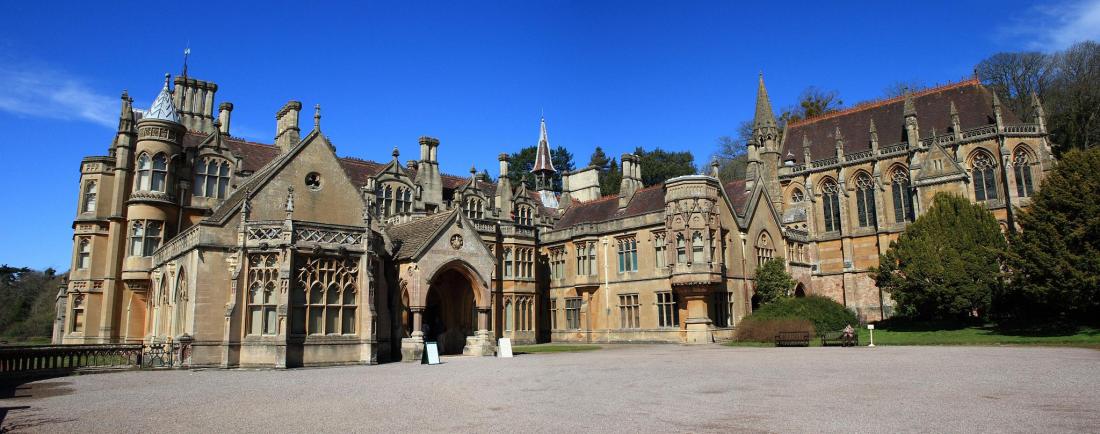
Photo: Chilli Head from Weston-super-Mare, UK / CC BY https://creativecommons.org/licenses/by/2.0

(A translation into English can be found below)

Hace nueve meses escribí en este blog sobre los miles de esclavos chinos que murieron en el siglo diecinueve en las Islas Chincha peruanas («La exposición, William Gibbs, Desde Madrid a Tyntesfield» 21 Octubre 2019).

Los esclavos chinos excavaban a mano el guano que William Gibbs vendía para crear la fortuna con la que se construyó Tyntesfield, su casa señorial cerca del puerto de Bristol en el sur de Inglaterra. Trabajaban en condiciones infrahumanas y si no obedecían eran flagelados y torturados. Miles murieron y muy pocos sobrevivieron.

Ahora la mansión de Gibbs pertenece al National Trust, la organización sin fines de lucro que se dedica a la conservación del patrimonio nacional de Inglaterra, Gales e Irlanda del Norte. Me alegro decir que, a raíz de las manifestaciones de ¡Las vidas negras importan! el National Trust acaba de anunciar que tiene la intención de dejar bien claro el papel que desempeñó la esclavitud en la creación de las fortunas que permitieron que se construyeran muchas de los stately homes ahora en su custodia — cientos de casas señoriales que se encuentran esparcidas por todos los condados del Reino Unido.

Estoy seguro de que lo van a hacer sistematicamente, examinando la financiación no sólo de las casas mas obvias, aquellas que pertenecían directamente a los esclavistas, sino de todas sus propiedades por Inglaterra, Gales e Irlanda del Norte, Tyntesfield incluída — donde la esclavitud involucrada no era negra sino china.

La esclavitud viene en muchas formas y lleva varios disfraces; aunque se hiciera ilegal la trata de esclavos por todo el imperio británico en 1807 y la esclavitud fuera abolida por completo en las posesiones coloniales británicas en 1833, la práctica idéntica siguió existiendo bajo muchos otros eufemismos y en muchos otros sitios fuera del alcance de los abolicionistas de este país, no menos en el negocio de la exportación del guano de las Islas Chincha donde William Gibbs y varios otros “empresarios” cargaban sus barcos destinados a los mercados jardineros y agrícolas del mundo. La trata de esclavos y la esclavitud ya estaba prohibida en el imperio británico pero eso no impidió que Gibbs y otros de su calaña se aprovecharan de la trata de esclavos transpacífica que siguió floreciendo en el Perú sin trabas ni cortapisas (al igual que la industria algodonera británica siguió aprovechando las cosechas exportadas de las plantaciones esclavistas estadounidenses).

Actualmente, cuando visitas a Tyntesfield, sólo se menciona el guano como una anécdota divertida (¡Jajajá, que emprendedor, un hombre capaz de amasar una fortuna a base de la caca de aves!) y no se dice nada acerca del holocausto de los mineros chinos esclavizados.

Photo: Chilli Head from Weston-super-Mare, UK / CC BY (https://creativecommons.org/licenses/by/2.0)

Tyntesfield, Transparency and the Chinese Slave Trade

Nine months ago in this blog I wrote about the thousands of Chinese slaves that died in the nineteenth century in the Peruvian Chincha Islands («The Exhibition, William Gibbs, from Madrid to Tyntesfield» 21 October 2019).

The Chinese slaves dug out by hand the guano that William Gibbs sold to create the fortune he used to build Tyntesfield, his stately home near the port of Bristol in the south of England. They worked in subhuman conditions and if they didn’t obey they were whipped and tortured. Thousands died and very few survived.

Now the mansion belongs to The National Trust, the non-profit making organisation that preserves the national heritage of England, Wales and Northern Ireland. I am delighted to say that, as a result of the Black Lives Matter demonstrations that The National Trust has announced that it intends to make it absolutely clear the role that slavery played in the creation of the fortunes which made possible the construction of many of the stately homes now in their care — hundreds of mansions that are to be found scattered around every county of the United Kingdom .

I’m sure they will do it systematically, examining the financing not only of the most obvious houses, those that belonged directly to the slave owners, but all of their properties throughout England, Wales and Northern Ireland, Tyntesfield included — where the slavery involved was not black but Chinese.

Slavery comes in many forms and guises; although the slave trade was made illegal throughout the British Empire in 1807 and slavery itself was abolished in 1833, the identical practice continued to exist under many other euphemisms and in many other places beyond the reach of this country’s abolitionists, not least in the business of exporting guano from the Chincha Islands where William Gibbs and several other “entrepreneurs” loaded their boats destined for the agricultural and gardening markets of the World. Slave trading and slavery was prohibited in the British Empire but that didn’t stop Gibbs and others of his ilk exploiting the transpacific slave trading which continued to flourish without let or hindrance in Peru. (Just as the British cotton weaving industry continued to take advantage of the crops exported by the slave plantations of the United States.)

At present, when you visit Tyntesfield, guano is only mentioned as an amusing anecdote (Hahaha! How enterprising, a man capable of amassing a fortune made of bird poo!) and nothing about the holocaust of the enslaved Chinese miners is ever mentioned.

Photo: Chilli Head from Weston-super-Mare, UK / CC BY (https://creativecommons.org/licenses/by/2.0)


¿Puede que el fútbol sea la clave para erradicar el racismo?

A finales del octubre de 1982 yo estaba de vacaciones en Ibiza. En aquél momento el país estaba metido en una de las elecciones generales más importantes del posfranquismo, unos comicios en los que subirían al poder con mayoría absoluta el Partido Socialista de Felipe Gonzales y Alfonso Guerra. El hotel en que me quedaba hacía las veces del cuartel general del Partido Socialista local. Yo tenía una habitacion en la quinta planta. Una tarde salí del bar en la planta baja justo a tiempo para ver cerrar las puertas del ascensor. Antes de que se cerraran del todo yo entreví al único ocupante, un hombre que yo reconocí como uno de los miembros del equipo electoral del PSOE local.

Pulsé el botón para llamar el otro ascensor. De repente, me dí cuenta de que ya estaba esperando allí una señora inglesa de unos treinta años. La miré sin dirigirle palabra, preguntándole con la mirada: ‹¿Por qué no tomó usted el ascensor anterior cuando tuvo todas las posibilidades de hacerlo?›. Ella entendió el gesto y me dijo, «No quería compartir el ascensor con él. Sabes como son, los machos españoles.» 

No le dije nada pero me pregunté por qué la pobre mujer había decidido tomar sus vacaciones en un país relleno de latin lovers que pasaban la vida soñando con la posibilidad de forzar a una inglesa en un ascensor.

Menciono este episodio sólo por destacar el grado de xenofobia que existía entre la población inglesa de aquél entonces. Para una señora, como la que me encontré aquél día de octubre hace 38 años, estas visitas al Mediterráneo suponían un serio riesgo a su honor. Y ella no era un caso aislado sino una representante de todos nosotros. Éramos una raza insular, en todos los sentidos de la palabra, recelosa y algo paranoide acerca de las intenciones de “los europeos”.  

Me gusta creer que las sucesivas olas de inmigración que hemos tenido desde el final de la Segunda Guerra Mundial han ido disminuyendo nuestra aversión y rechazo a gentes de otros paises, de otro colores, de otras culturas. (Me refiero a los irlandeses, afrocaribeños, índios y paquistaníes, iraquíes, iraníes, afganos, polacos, y otros europeos orientales y mediterráneos — más o menos en ese orden). Me gusta creer que este gran flujo heterogénero ha hecho algo para aminorar nuestros estereotipos de otras culturas: la estupidez de los irlandeses, la inferioridad de los negros, el fanatismo de los musulmanes, y claro, la lujuria de los mediterráneos. Me gusta creer que la dependencia de nuestra servicio nacional de salud (NHS) de los médicos y enfermeros de otras naciones nos ha ayudado a entender que el resto del mundo se parece mucho a nosotros. Me gusta creer que nuestra adhesión temporal a la Unión Europea nos ha vuelto un poco más cosmopolita. 

Me gusta creer estas cosas porque soy un privilegiado miembro de la clase media, un hombre liberal y jubilado que lleva una existencia tranquila y ya no afectada por las vicisitudes de la vida laboral. Creo que, por lo general, nuestra concepción y tolerancia de otras razas ha mejorado PERO en lo más hondo de mi alma yo dudo de que este avance tenga mucho que ver con todos los motivos que ya he mencionado.

Acabo de pasar los últimos tres fines de semana viendo partidos de fútbol en la tele, uno tras otro, y he llegado a la conclusión de que el factor más importante en la reducción del racismo en este país ha sido la afluencia de futbolistas talentosos de todo el mundo. Y punto. No nos importa un pepino que el personal médico de la NHS sea del subcontinente índio ni que la mano de obra en nuestra huertas provenga de la Unión Europea.

No. No hay nada que impresione más al público que un tío que pueda marcar un buen tanto. Se le aprecia por sus habilidades en el terreno de juego y sanseacabó. No le juzgamos ni por su color ni por su cultura. (Esto no quiere decir que fuera del terreno de juego la inmensa mayoría de los futbolistas sean unos capullos, sean como sean sus orígenes étnicos.)

Así es que la única inmigración que se celebra positivamente aquí ha sido la de los futbolistas. Y todo comenzó sobre 1982, el año en que nuestra mujer inglesa vacilaba, indecisa a la puerta de aquél ascensor ibicenco.

Antes de la década de los 80 sólo había un puñado de extranjeros que jugaban en la Premier League (en aquellos años se llamaba The First Division). A la vanguardia había un brillante par de argentinos, Ricardo Villa y Osvaldo Ardiles, que ficharon por Spurs en 1978. 


Argentinos en Inglaterra 1980: Ossie Ardiles (Spurs) Claudio Maragoni (Sunderland) Alejandro Sabella (Leeds) Ricky Villa (Spurs); El Gráfico, autor desconocido

Desde entonces, año tras año, ha ido aumentando el número de foráneos hasta que, hoy en día algunos equipos constan de un 80 por ciento de ciudadanos de otros países. ¿Quién pudiera imaginar ahora un Liverpool sin el egipcio Mo Salah o el senegalés Sadio Mané o cualquiera de los otros catorce miembros extranjeros de la plantilla. ¿O Manchester United sin Juan Mata de España o el brasileño, Fred? Y así es con el resto de los clubes de la Premier League. Todos dependen de un fuerte contingente de jugadores de otros países.

Así es también con los técnicos de los 20 equipos de la Premier League. En este momento 8 de ellos son extranjeros. Hace un par de años había 16: cuatro españoles, dos italianos, un par de portugueses, un chileno, un argentino, un irlandés, un noruego, un austraco, dos alemanes, y un francés. 

También hace un par de anos me llamó atención la entrevista en The Premier League Show de la BBC en que Guillem Balagué, un periodista deportivo catalán muy conocido y respetado en el Reino Unido, habló con Pep Guardiola, el técnico de Manchester City sobre la música que había sido memorable en su vida. Ambos hablaron un buen inglés y pensé que habría sido IMPENSABLE que un par de ingleses se entrevistaran en castellano en la tele española  expresándose con tanto dominio del idioma.

Recuerdo que Guardiola eligió Fiesta de Joan Manuel Serrat, Your Song de Elton John, New York New York de Frank Sinatra, Hotel California de los Eagles y Don’t Look Back in Anger de Oasis, la canción que se cantaba en las manifestaciones de solidaridad que tuvieron lugar en Manchester después del atentado del concierto de Ariana Grande del mayo de 2017.  La mujer y la hija de Guardiola estuvieron allí y salieron ilesas.

A todos estos futbolistas se les tiene mucho afecto. Son la auténtica cara del antirracismo. Son ellos los que han ayudado a insensibilizarnos a las diferencias aparentes y superficiales que en el pasado nos han separado. Son héroes que han sido aceptados y están aquí para siempre. Y ellos se sienten en casa.

Aún queda un largo trecho por recorrer antes de que los ingleses nos consideremos que somos miembros los unos de los otros con respeto al resto del mundo, pero me gusta creer que estamos llegando a tal punto.

…………………….Bueno, al menos en cuanto al fútbol.

El barco vasco medieval (de Newport, Gales)

Impresión artística de Wikipedia

(A translation into English can be found below.)

Me tropecé con la palabra pecio por primera vez en un artículo publicado hace cinco años en El país. (https://elpais.com/cultura/2014/05/10/actualidad/1399735208_495369.html). Según el Diccionario del Real Academia Española un pecio es “un pedazo o fragmento de la nave que ha naufragado”. Así es lo que queda del Mary Rose, el buque insignia de Henry VIII de lo que escribí hace unos meses en “El astillero histórico de la marina británica” (2 Junio 2019).

El mes pasado visité otro pecio en la ciudad de Newport en Gales; o sea, vi, por la ventana de una cámera de ambiente controlado, las maderas desmontadas del casco de un barco medieval vasco que se hundió en el siglo quince en el fango del río Usk. Se descubrió el casco parcial en 2002 mientras se sentaban las bases de un nuevo centro de artes en la ribera del río.

Aunque no quede un gran porcentaje de su estructura original, los arqueólogos dicen que se trata del más completo ejemplo de un barco mercantil europeo del siglo quince que se ha encontrado hasta ahora.

Una vez conservadas las maderas, los voluntarios del proyecto tienen programada la reconstrucción del casco y la exposición del barco entero en forma virtual, reconfigurando las cubiertas, los tres mástiles y las jarcias mediante un holograma superimpuesto sobre el pecio restaurado.

Entre los artefactos que se han recuperado de abordo hay balas de cañón de piedra de varios diámetros. En el siglo quince la piratería representaba un serio problema y todo buque mercante tenía que ser capaz de defenderse contra cualquier ataque. Entre otros hallazgos figuran varias herramientas de madera, unos zapatos poulaine (los típicos zapatos de punta medievales), además de los inevitables e imprescindibles peines para piojos.

Una investigación dendrológica ha demostrado que los árboles utilizados en la construcción del barco se talaron en un bosque de Guipúzcoa alrededor del año 1449. En tiempos medievales había mucho comercio entre los puertos del norte de España y la ciudad de Bristol. Sin embargo, las tasas portuarias bristolianas eran muy elevadas y muchas veces resultaba más económico descargar las mercancías en los puertos de la orilla galesa del canal de Bristol. Las importaciones más importantes incluían vino, hierro, colorantes, trigo y lana, las últimas dos siendo materias primas que se importaban y se exportaban en ambos sentidos para mitigar las escaceses inoportunas cuandoquiera y comoquiera ocurrieran en los dos países. En el caso de la lana el intercambio servía también para satisfacer las demandas fluctuantes de las variedades específicas de vellones requeridas por los hilanderos, tintoreros y tejedores especialistas tanto en España como en Inglaterra.

Queda mucho por hacer antes de que el barco pueda ser reconstruido y exhibido en una galería adecuada.  Antes de que se llegue a tal punto, se puede visitar el centro los viernes y los sábados entre las 10.30 y 16.00 aunque tengo entendido que el horario puede variar durante el invierno. (Detalles en la web de Friends of the Newport Ship: https://www.newportship.org/)

Ya sé, ya sé. Este es “Ingleses” y Newport se sitúa en Gales. Vale, pero está justo al otro lado de la frontera a unos 30 quilómetros de mi casa y el tema y la ciudad me interesan.

Wikipedia tiene dos entradas sobre el barco de Newport, una en inglés y otra en euskera. Que no tenga nada en galés no me sorprende porque Newport está situada cerca de la frontera con Inglaterra. En este rincón inferior derecho del país no hay ni díos que hable galés. El uso del idioma celta es nulo. Por razones políticas lingüísticas está empleado en señales de tráfico bilingües pero solo sirve para confundir a la gringada.

Me parece que en el caso de Newport los nacionalistas galeses se han dado por vencido y han abandonado la ciudad a su suerte inglesa. Newport está dominada por las ciudades vecinas. Se encuentra entre Bristol y Cardiff, es decir entre una próspera ciudad inglesa y la importante e igualmente próspera capital galesa. Algunos cardiffianos bromean de sus pobres vecinos de Newport, llamándoles “ingleses” (hay que señalar que tampoco se oye mucho galés en Cardiff), y los ingleses tienden a mirarles por encima del hombro, con una mezcla de menosprecio y repugnancia.  

Hasta los años 60 Newport era todavía una ciudad exportadora de carbón y disfrutaba de una pujante industria siderúrgica pero hace tiempo que las minas cerraron y el acero no es lo que era. Ahora, si te das un paseo por el centro commercial te das cuenta de que el sector minorista esta atravesando una mala racha. Es evidente que la gente no tiene el poder adquisitivo para sostener tiendas de primera categoria. A simple vista la ciudad te parece algo fea.

Pero la belleza está en los ojos de quien la mira. Aunque la ciudad se haya caído en tiempos difíciles y no tenga las tiendas y las típicas grandes atracciones turísticas de que gozan sus vecinas, lo que sí tiene Newport es su arqueología industrial y naval y este aspecto de su historia es de especial interés. Por ejemplo, tiene un puente colgante — uno de los dos que quedan en el país entero — igual que él de Bilbao que cruza el río Nervión y que une Portugalete con Getxo. Este fue construido en 1893 y el ingeniero encargado de la construcción fue el francés Ferdinand Joseph Arnodin, el mismo que más tarde diseñó el puente colgante de Newport que data de 1906.

También Newport tiene los canales por los que en siglos pasados el carbón y el mineral de hierro eran transportados desde las minas a las fundiciones y las dársenas de la ciudad. Hoy en día, más allá de la ciudad, en la campiña galesa, esos canales ya se han convertido en lugares de ocio y los narrow boats, los tradicionales barcos británicos que llevaban materias primas, se han hecho embarcaciones de recreo que se alquilan para cubrir el hermoso trayecto entre los pueblos de Pontypool, Abergavenny y Brecon.

Pero cuanto más se acercan los canales a la ciudad de Newport, más derelictos se vuelven. Hay trechos en vías de restauracion pero queda mucho por hacer hasta que las rutas sean navegables en su totalidad. Vale la pena visitar el Fourteen Locks Canal Centre, al norte de Newport, donde una serie de 14 exclusas bajaban el canal 50 metros en una distancia de solo 740 metros. Este trecho ha sido parcialmente reparado y se espera que un día los narrow boats puedan volver a llegar al centro de la ciudad.

La historia de Newport y el río Usk se remonta a una época más remota que la de los orígenes de Bristol o Cardiff. En las afueras de la ciudad, río arriba, es el antiguo puerto y fortaleza romano, Caerleon. Igual que la ciudad de León, Caerleon debe su nombre a la legión romana que se destacaba ahí. Caer o gaer quiere decir fortaleza en galés y leon es una contracción de legión. Es otro sitio que vale la pena visitar. El museo nacional de la legión romana se encuentra ahí, cerca de los restos del anfiteatro. Detalles online.

Espero que el proyecto del barco medieval ayude a la popularización de la historia de Newport y el río Usk y que llegue a ser una valiosa aportación a la industria turística de la ciudad.

The Newport Medieval Boat

I first came across the word pecio in an article published five years ago in El país. (https://elpais.com/cultura/2014/05/10/actualidad/1399735208_495369.html). According to the Dictionary of the Spanish Royal Academy a pecio is a “piece or fragment of the shipwrecked vessel”, as is what remains of the Mary Rose, the flagship of Henry VIII, about which I wrote a few months ago in “El astillero histórico de la marina británica” (2 June 2019).

Last month I visited another pecio in the city of Newport in South Wales; rather, I saw, through the window of an environmentally controlled chamber, the disassembled planks of the remains of the hull of a medieval Basque ship that sank in the fifteenth century in the mud of the River Usk. The remains of the hull were discovered during the sinking of the foundations for a new arts centre on the riverbank.

Although not a great deal remains of the original structure, archaeologists say that this is the most complete example of a 15th century European merchant boat that has been found up until now.

Once the planking has been preserved, the project volunteers have planned the reconstruction of the hull and the display of the entire boat in a virtual form, superimposing a hologram on the rebuilt pecio in order to reconfigure the decks, the three masts and the rigging.

Amongst the artefacts that have been rescued from aboard are a number of stone cannonballs of various diameters. In the 15th Century piracy represented a serious problem and every merchant vessel had to be capable of defending itself against attack. Amongst the other finds are several wooden tools, a few poulaines (the typical medieval pointed shoes), as well as the inevitable and indispensable nit combs.

A dendrological study has revealed that the trees used in the construction of the boat were felled in a wood in the province of Guipúzcoa around the year 1449. In medieval times there was considerable trade between Bristol and the ports along the north coast of Spain. However, the levies at the port of Bristol were very high and it was cheaper to unload goods at the ports on the Welsh side of the Bristol Channel. The most important imports included wine, iron, dyes, wheat and wool, the latter two being raw materials that were imported and exported in both directions whenever there was a need to compensate for untimely shortages whenever and wherever they might occur in either country. In the case of wool the interchange served also to satisfy the fluctuating demand for the specific varieties of fleece required by the specialist spinners, dyers and weavers both in England and Spain.

A lot remains to be done before the boat can be rebuilt and displayed in a suitable gallery. Before the project gets to this point you can still visit the centre on Fridays and Saturdays between 10.30 and 16.00 although I am given to understand that the opening hours may vary during the Winter. Details can be found on the web page of Friends of the Newport Ship:  https://www.newportship.org

I know, I know. This is “Ingleses” and Newport is in Wales. Very well, but it is only just over the border, some 30 kilometres from my house, and the subject and the city both interest me.

Wikipedia has got two entries about the boat, one in English and one in Basque. That it contains nothing in Welsh doesn’t surprise me as Newport is situated near the English border. In this bottom right-hand corner of the country absolutely no one speaks Welsh. The use of the Celtic language is zero. For politico-linguistic reasons it is used on bilingual traffic signs but it only serves to confuse the gringos.

It seems to me that the Welsh Nationalists have given up on Newport and they have abandoned the city to its English fate. Newport is dominated by its neighbouring cities. It is located between Bristol and Cardiff, that is between a prosperous English city and the important and equally prosperous capital of Wales. Some Cardiffians joke about their poor neighbours in Newport, calling them English (it has to be said that you don’t hear much Welsh in Cardiff either) and the English tend to look down on them with a mixture of revulsion and scorn.

Until the 60s Newport was still a city that exported coal and enjoyed a thriving steel manufacturing industry, but the mines closed a while ago and steel isn’t what it was. If you take a walk around the shopping centre you realise that the retail sector is going through a bad patch. It’s obvious that people don’t have the buying power to sustain top rank shops. At first glance the city seems somewhat ugly.

But beauty lies in the eye of the beholder. Although the city may have fallen on difficult times and doesn’t have the shops and the typical tourist attractions of its neighbours, what Newport does have is its industrial and naval architecture and it is this aspect of its history that is of special interest. For example, it has a working transporter bridge — one of only two left in the entire country — very similar to the one in Bilbao which crosses the River Nervión and links Portugalete with Getxo. The latter was built in 1893 and the French engineer in charge of its construction was Ferdinand Joseph Amodin, the same man who later designed the transporter bridge in Newport which dates from 1906.

Newport also has the canals along which in past centuries the coal and iron ore was transported to the city’s foundries and docks. Nowadays, beyond the city, in the welsh countryside, these canals have already been transformed into leisure facilities and the traditional British narrow boats that used to carry the raw materials have become pleasure craft that people hire to travel along the beautiful sections between Pontypool, Abergavenny and Brecon.

But the closer that the canals get to Newport the more derelict they become. There are stretches in repair but there remains a lot to do before they are fully navigable. It’s worth a visit to the Fourteen Locks Canal Centre, in the north of Newport, where a series of 14 locks used to lower the canal 50 metres in a distance of 740 metres. This stretch ha been partially repaired and it is hoped that one day the narrow boats will be able to return to the centre of the city.

The history of Newport and the River Usk goes back to a more remote time than that of the origins of either Bristol or Cardiff. Upriver, in the outskirts of the city lies the former roman fortress and port of Caerleon. The same as the city of León, Caerleon owes its name to the roman legion that was stationed there. Caer or Gaer means fort in Welsh and leon is a contraction of legion. Another place worth a visit. The National Roman Legion Museum is there, along with the remains of the amphitheatre. Details on line.

I hope the Medieval Boat Project helps in the popularisation of the history of Newport and the River Usk and that it becomes a valuable contribution to the tourist industry of the city.

La exposición, “William Gibbs, Desde Madrid a Tyntesfield.”

(A translation into English can be found below)

Su padre, Antony Gibbs (1756 – 1816), en su carrera inicial, fue representante de una empresa inglesa que exportaba tejido de lana. En 1778 Antony volvió a su patria chica, el condado de Devon en Inglaterra donde estableció su propia fábrica de tejidos. Sin embargo, el negocio fracasó y Antony fue declarado en quiebra.

En 1789 Antony se decidió a volver a España con el intento de liquidar sus deudas, restableciéndose como agente de varias empresas exportadoras británicas.  Le acompañaba su mujer. Su hijo, William, nació en Calle Cantarranas 6, Madrid, el día 22 de Mayo del año 1790. Pero, su madre no soportaba el calor de los veranos madrileños y en 1792 ella decidió a volver a Inglaterra, llevando consigo a los 3 hijos, Harriet, Henry y el bebé William.

Los fines del siglo dieciocho y los comienzos del decimonónico fueron tiempos difíciles para cualquier persona que quisiera establecer y sostener relaciones comerciales entre Inglaterra y España. Las guerras se sucedieron una tras otra: la Guerra anglo-española (1796–1802), otra Guerra anglo-española (1804-1809) y la Guerra de la independencia española (1808 – 1814).

Fue durante este período que Antony Gibbs decidió a centrarse en América Latina en busca de nuevos socios comerciales. Entre los comerciantes británicos de la época esta estrategia comercial ya se había hecho la sabiduría convencional. Todos se habían dado cuenta de que los países suramericanos estaban buscando su independencia de los imperios español y portugués y preferían fortalecerse y aliarse económica y políticamente por un intercambio de bienes con países europeos prósperos y antagónicos a España. Los comerciantes británicos reunían ambas características. Para 1808 un 40% de las exportaciones británicas ya estuvo destinado a suramérica.

Antony Gibbs tenía dos ventajas sobre sus competidores. No solo sabía español sino también contaba con mucha influencia en el sistema judicial británico: su tío Vicary Gibbs, era fiscal general y fue por su intervención que Antony pudo obtener permiso en 1806 por su barco, Hermosa Mexicana, a pasar sin trabas por el bloqueo naval británico que controlaba las aguas costeras de Francia y España.

Mientras tanto, su hijo, William, asistía al cole en Inglaterra y dividía su niñez entre Inglaterra y España. De 1806 a 1808 fue aprendiz en Bristol en la compañia naviera de su tío paternal, George Gibbs, un hombre que se había hecho rico, entre otras actividades comerciales, en la trata de esclavos. En 1813, a la edad de 23 años William se hizo socio del negocio de su padre, trabajando de gestor de la sucursal de Cádiz. 

En 1816 su padre murió y William y su hermano Henry se hicieron con el control de la empresa. La gran idea de importar guano al Reino Unido no se le ocurrió a William hasta 1840 cuando ya tenía cinquenta años. En sentido estricto la idea no vino de él sino de su agente en Lima. A principio, le parecía a William un proyecto descabellado y poco rentable. Pero, antes de que el pudiese decir que no, el agente había firmado un acuerdo para comprar el guano del gobierno peruano. Por suerte, William había subestimado la manía victoriana por la jardinería. El guano se vendía como pan caliente, por decirlo así.

Obtuvo el guano de las islas Chincha, situadas frente a la costa peruana. En aquél entonces estaban cubiertas de una capa de treinta metros de profundidad de excrementos de aves marinas, en su mayoría los de los pájaros bobos, los llamados alcatrazes piqueros. Había millones de toneladas listas para llevárselas.

En cantidades limitadas el guano, lleno de nitratos, fosfatos y potasios es un fertilizante ideal. Pero, su enorme concentración en las islas Chincha las convertía en áridos y cáusticos entornos muy dañinos a la salud de cualquier ser humano expuesto a ellos a lo largo de un período prolongado. Nada florecía en condiciones tan ácidas y hostiles, mucho menos los hombres que fueron mandados a la fuerza a trabajar allí.

A principio, las excavaciones fueron llevadas a cabo mayormente por presidiarios, desertores del ejército peruano recapturados y esclavos. De esta manera el gobierno peruano mantuvo el coste de producción a un nivel mínimo e hizo que la extracción fuera lo mas rentable posible.

En 1849, cuando se necesitaban mas trabajadores forzados se empezaba a introducir mano de obra china “contratada”, este término siendo un eufemismo para la esclavitud. Estos peones eran secuestrados o engañados y luego detenidos en barracones antes de ser transportados al Peru.

En el siglo decimonónico las estimaciones de la tasa de mortalidad entre los chinos raptados varían de investigador a investigador. Algunos estimaron que entre 1847 y 1859 murieron un 40 por ciento de estos culis (coolies en inglés) durante la singladura a las islas Chincha. Otros dijeron que más de dos tercios de los sobrevivientes fallecieron durante su período de “contratación”, la duración de un “contrato” siendo típicamente de unos 5 o 7 años. Además, si duraron al final del “contrato” los chinos se vieron forzados a continuar a trabajar hasta que cayeron muertos. En 1860 se calculó que no sobrevivió ni un solo chino de los 4,000 transportados a las islas desde el comienzo de la industria. Si solo un 50 por ciento de estas afirmaciones fuera verdad las islas tendrían menos de esclavitud y más de campos de concentración nazis.

Lo que no está en duda es la índole del régimen de brutalidad con el que los peruanos gobernaban a los trabajadores. Todos los testigos – y hubo muchos – atestaban que la disciplina consistía de flagelaciones y torturas.  A unos 25 kilometros de la costa, era imposible que los esclavos escaparan nadando. El único método de evasión infalible fue el del suicidio. Según el Journal of Latin American Studies un marinero norteamericano alegó que hubo un caso en 1853 en el que 50 chinos se cogieron de la mano y se lanzaron de un precipicio a su muerte en el mar.

Todas las tripulaciones de las docenas de barcos que acudían a las islas para llenar sus bodegas con los sacos llenos de guano comentaban sobre la barbaridad de las condiciones y habría sido imposible que ningún comerciante de guano no hubiera sido consciente de las condiciones infrahumanas que existían en las islas.

Con la fortuna que ganó con la venta del guano William Gibbs hizo construir en un valle pintoresco de la campiña inglesa, a unos kilómetros al oeste de Bristol, la enorme mansión de lujo, Tyntesfield.

Es la casa emblemática del estilo gótico victoriano. El arquitecto Marc Girouard ha dicho de la casa que, “Estoy seguro de que ya no hay otra casa señorial victoriana que represente tan suntuosamente su época que la de Tyntesfield”.

Durante la segunda mitad del siglo veinte la condición de la casa se deterioró hasta que las reparaciones que hacían falta hubieran costado otro dineral. La familia nunca se las llevaron a cabo. El último habitante de la casa, Richard Gibbs, un soltero que vivía solo y en sus últimos anos únicamente ocupaba tres de las habitaciones mas pequeñas, decidió que la casa debiera ser puesta en venta a su muerte.

En 2002 la casa fue comprada por The National Trust, una sociedad benéfica dedicada a la conservación del patrimonio nacional de Inglaterra, Gales, e Irlanda del Norte.

Es aquí donde se sitúa este otoño la exposición, “William Gibbs, From Madrid to Tyntesfield”, una muestra subtitulada, “A story of love, loss and legacy,” un cuento de amor, pérdidas y herencias. Muchos de los objetos expuestos son obras de arte coleccionadas por William Gibb en España y América Latina. Son en su mayoría cuadros religiosos, entre los cuales destacan varios: el de San Lorenzo llevando la parrilla en la que los romanos le quemaron vivo (William compró este cuadro creyéndolo una obra de Zurbarán  aunque hoy en día está atribuido a su contemporáneo, Juan Luís Zambrano de Córdoba; la Inmaculada Concepción de Alonso Miguel de Tovar, una copia del cuadro de Murillo que hoy se expone en el Prado; hay también uno de Murillo si mismo, uno de sus varios Mater Dolorosa.  Sin embargo, la más impresionante de todas las obras exhibidas es la exquisita Madonna col bambino e Giovanni Batista de Giovanni Bellini pintada alrededor del año 1490. La exposición también incluye muebles, libros, retratos de la familia y otros dispositivos misceláneos. De estos últimos cabe destacar un par de pequeños sahumadores peruanos en forma de pavos reales hechos de filamentos dorados y utilizados como incensarios por los Gibb, una familia anglo-católica. (En la cornisa de madera en la biblioteca está grabado en castellano, “En Dios mi amparo y esperanza”, el lema personal de William Gibbs.)

En paralelo con esta exposición, Tyntesfield pone otra pequeña muestra fotográfica en la que se contrastan la aridez, esterilidad y desolación de las islas Chincha con la opulencia de la casa y la lujuria de los jardines que la rodea. Esta pequeña exposición adicional durará hasta el 4 de noviembre.

Cosa interesante: cerca de la despensa del mayordomo en la planta baja de la casa hay un vitral, una ventana en la que el vidrio contiene hileras de imágenes, alineadas al tresbolillo, de los alcatraces, los pájaros que hicieron la casa posible. (No se ven conmemorados los chinos.)

Además de los jardines ornamentales, la casa posee un huerto amurallado en que se cultivaban las frutas y hortalizas para el consumo de la familia. Al lado hay varios invernaderos, uno de ellos una orangery, una estufa especial, diseñada para el cultivo de naranjos (cosa nada fácil en el clima inglés).

La capilla es inmensa y da la impresión de un mini-catedral. Está modelada en la Sainte Chapelle, el templo gótico situado en la Íle de la Cité en Paris. El trabajo es impecable.

Como ya se ha notado, William Gibbs fue un anglo-católico devoto y después de que se jubilara dió enormes cantidades de dinero para la construcción de iglesias, capillas y otros edificios asociados con su fe, los más famosos siendo la capilla y el gran salón de Keble College, Oxford.

La casa está abierta todos los días menos el día de Navidad y la exposición durará hasta el mes de diciembre. El horario de Tyntesfield y el precio de las entradas se ven en la web del National Trust.

The exhibition, “William Gibbs, From Madrid to Tyntesfield.”

His father, Antony Gibbs (1756 – 1816), in his early career, was an agent for an English exporter of woollen cloth. In 1778 Antony returned to his childhood home, the County of Devon in England, where he started his own cloth-making factory. However, the business failed and Antony was declared bankrupt.

In 1789 Antony decided to return to Spain with the intention of paying off his debts. Once again he acted as an agent for several British exporters. He was accompanied by his wife. His son, William, was born at 6 Calle Cantarranas, Madrid, on 22 May 1790. However, his mother was unable to bear the heat of the Madrid summer and in 1792 she decided to return to England, taking with her the 3 children, Harriet, Henry and the baby William.

The end of the 18th and the beginning of the 19th centuries were difficult times for anybody seeking to establish and sustain business links between England and Spain. Wars came one after another: The Anglo-Spanish War of 1796 – 1802, another Anglo-Spanish war 1804-1809 and the Peninsular War of 1808-1814).

It was during this period that Antony Gibbs decided to look towards Latin America in his search for new business partners. Amongst British merchants this commercial strategy had already become the conventional wisdom of the age. They had all realised that South American countries were seeking independence from the Spanish and Portuguese empires and preferred to strengthen their position by seeking to ally themselves economically and politically through an exchange of goods with prosperous European countries that were thriving and antagonistic to Spain. British firms fulfilled both of these characteristics. By 1808 40% of all British exports were destined for South America.

Antony Gibbs had two advantages over his competitors. Not only could he speak Spanish but he could also rely upon the great influence he enjoyed in the British judicial system: his uncle, Vicary Gibbs, was Solicitor General and it was through his intervention that Antony was able to obtain permission in 1806 for his boat, Hermosa Mexicana, to pass without hindrance through the British blockade that controlled the seas around the coasts of France and Spain.

Meanwhile, his son William was going to school in England and dividing his childhood between England and Spain. From 1806 to 1808 he was apprenticed to the shipping firm belonging to his paternal uncle, George Gibbs a man who had made himself rich, amongst other commercial activities, through the slave trade. In 1813 at the age of 23 William was made a partner in his father’s firm, managing the Cadiz branch.

When his father died In 1816 William and his brother Henry assumed control of the business. However, the great idea of importing guano into the United Kingdom didn’t occur to William until 1840 by which time he was already fifty years old. Strictly speaking, the idea didn’t come from William but from his agent in Lima. In the beginning the project seemed hare-brained and unprofitable. But, before he could say no, his agent had signed an agreement with the Peruvian government to buy the guano. Luckily, William had underestimated the Victorian mania for gardening and the guano sold like hot cakes, for want of a better expression.

He obtained the guano from the Chincha Islands, situated off the Peruvian coast. At that time they were covered in a layer of seabird droppings some thirty metres thick, mainly the excrement of Boobies, the so-called blue-footed albatross. There were millions of tons ready to go.

In limited quantities, the guano, full of nitrates, phosphates and potassium is an ideal fertiliser. But its enormous concentration on the Chincha Islands made them an arid and caustic environment, very harmful to the health of any human being exposed to it for a prolonged period. Nothing flourished in such hostile and acid conditions, least of all the men who were forced to work there.

At the beginning the digging was mainly done by prisoners, recaptured deserters from the Peruvian army and slaves. In this way the Peruvian government kept the cost of production to a minimum and made the venture as profitable as possible.

In 1849 when more forced workers were needed, they began to import “indentured” Chinese labourers, this term being a euphemism for slavery. These labourers were kidnapped or duped and held in barracks until they were transported to Peru.

In the 19th century estimates of the mortality rate of these Chinese forced labourers varied from investigator to investigator. Some estimated that between 1847 and 1859 40% of these coolies died on the journey to the islands. Others said that two thirds of the survivors died during their “indenture”, the duration of said “indenture” lasting 5 or 7 years. Moreover, if they lasted to the end of the “contract” the Chinese were forced to continue working until they dropped dead. In 1860 it was calculated that not one of the 4,000 Chinese who had been transported to the islands since the beginning of the industry had survived. If only 50% of these claims were true the islands would have been more like Nazi concentration camps and less like slavery.

What is not in doubt in the nature of the brutality of the regime with which the Peruvians governed the workers. All the witnesses — and there were many — attested that discipline consisted of whipping and torture. At a distance of 25 kilometres from the coast it was impossible for the workers to escape by swimming. The only infallible escape was suicide. According to the Journal of Latin American Studies an American sailor alleged that there was a case in 1853 in which 50 Chinese linked hands and jumped from a precipice to their death in the sea.

All the crews of the dozens of boats that came to fill their holds with the sacks of guano commented on the barbarity of the conditions and it would have been impossible for any dealer in guano not to be aware of the subhuman conditions that obtained in the islands.

With the fortune he made from the sale of the guano William Gibbs built, in a beautiful valley in the British countryside, a few kilometres to the west of Bristol, an enormous luxury mansion called Tyntesfield. It is the archetypal Victorian gothic mansion. The architect Marc Girouard has said of the house, “ I feel quite confident in saying that there is now no other Victorian country house which so richly represents its age as Tyntesfield.”

During the second half of the 20th century the house became dilapidated to the extent that the necessary repairs would have cost another fortune. The family never carried them out. The last inhabitant of the house, Richard Gibbs, a bachelor who lived alone, and in his final years only occupied 3 of the smaller rooms, decided that the house ought to be put up for sale upon his demise.

In 2002 the house was bought by The National Trust, a charitable society dedicated to the conservation of sites of national heritage of England, Wales and Northern Ireland.

It is here, this autumn, that The National Trust is showing, “William Gibbs, from Madrid to Tyntesfield”, an exhibition subtitled, “A story of love, loss and legacy”. Many of the objects on show are works of art collected by William Gibbs. They are in the main religious paintings, amongst which the most outstanding are: Saint Lawrence carrying the grid iron upon which he was to be roasted to death (William bought this painting believing it to be by Zurbarán, although nowadays it is attributed to his contemporary, Juan Luís Zambrano of Córdoba; the Inmaculada Concepción of Alonso Miguel de Tovar, a copy of the painting by Murillo that today is on show in the Prado; there is also one by Murillo himself, one of his several Mater Dolorosa. However, of all the works exhibited is the exquisite Madonna col bambino e Giovanni Batista by Giovanni Bellini, painted around the year 1490. The exhibition also includes items of furniture, books, portraits of the family and other miscellaneous devices. Outstanding amongst the latter are a pair of small Peruvian perfume burners in the form of peacocks fashioned from gold filament and used as censers by the Gibbs, an anglo-catholic family. (Engraved in Spanish on the wooden cornice in the library is the personal motto of William Gibbs, “En Dios mi amparo y esperanza”, “In God my Refuge and Hope”.)

Running in parallel with this exhibition Tyntesfield is also showing another small exhibition of photographs which contrast the aridity, sterility and desolation of the Chincha islands with the opulence of the house and the lushness of the surrounding gardens. This additional exhibition runs until 4th November.

An interesting note: near the Butler’s pantry on the ground floor there is a stained-glass window which contains images, arranged in staggered lines, of the albatrosses which made the house possible. (There is no homage to the Chinese.)

Besides the ornamental gardens, the house possesses a walled garden in which were grown the fruit and vegetables for the consumption of the family and staff. By the side of this there are several greenhouses, one of them an orangery, a hothouse specially designed for the cultivation of oranges (not an easy thing in the English climate.)

The chapel is immense and gives the impression of a mini-cathedral. It is modelled on the Saint Chapelle, the gothic temple situated on the Íle de la Cité in Paris. The building is impeccable.

As we have already seen, William Gibbs was a devout Anglo-catholic and after he retired he paid enormous amounts of money for the construction of churches, chapels and other buildings associated with his faith, the most famous of these being the chapel and Great Hall of Keble College, Oxford.

The house is open every day except Christmas Day and the exhibition will run until December. The opening hours for Tyntesfield and the price of admission can be found on the web page of The National Trust.