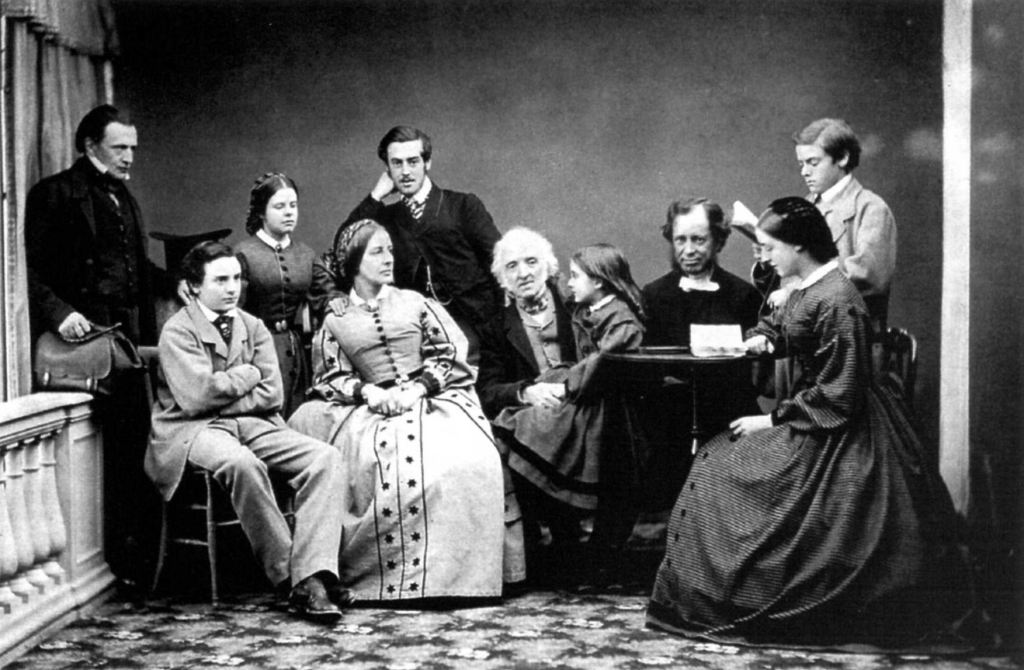
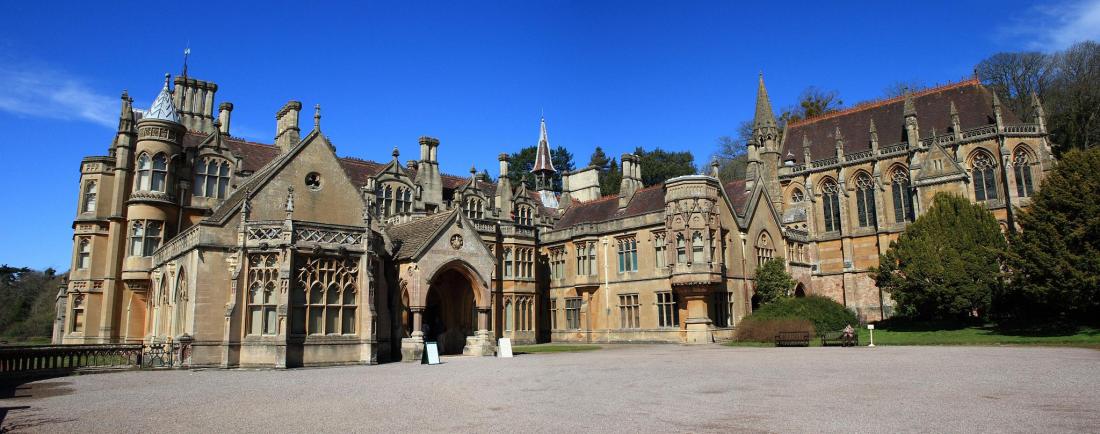
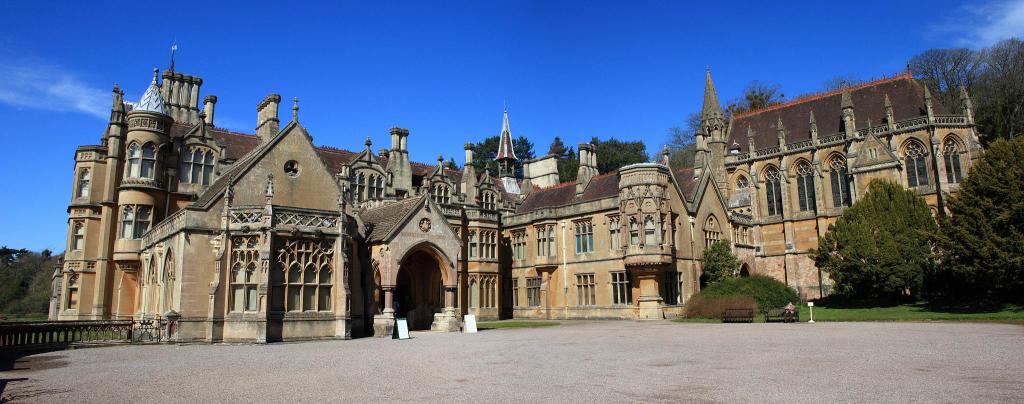
I have written several times about Tyntesfield, the National Trust property near Bristol that was built from the money made by William Gibbs from the labour of thousands of Chinese slaves who were worked to death in the mid nineteenth century, decades after slavery was officially abolished in Britain.
The slaves were used to mine bird droppings (guano) on islands in the South Pacific. The great idea of importing guano into the United Kingdom occurred to William Gibbs’ agent in Lima in 1840. In the beginning, the project seemed hare-brained and unprofitable to Gibbs. But, before he could say no, the agent had signed an agreement with the Peruvian government to buy the guano. Luckily for Gibbs, in Victorian times there was an extremely lucrative demand for all things which boosted horticultural production and the bird droppings proved to be a powerful fertiliser. The guano sold like hot cakes, for want of a better expression.
The guano was obtained from the Chincha Islands, situated off the Peruvian coast. At that time they were covered in a layer of seabird droppings some thirty metres thick, mainly the excrement of Boobies, the so-called blue-footed albatross. There were millions of tons ready to go.
In limited quantities, the guano, full of nitrates, phosphates and potassium is an ideal fertiliser. But its enormous concentration on the Chincha Islands made them a caustic environment, very harmful to the health of any human being exposed to it for a prolonged period. Nothing flourished in such hostile and acid conditions, least of all the men who were forced to work there.
At the beginning the digging was mainly done by prisoners, recaptured deserters from the Peruvian army and slaves. In this way the Peruvian government kept the cost of production to a minimum and made the venture as profitable as possible.
In 1849 when replacement workers were needed (presumably because the original ones had perished), they began to import “indentured” Chinese labourers, kidnapped or duped in China and held in barracks until they were transported to Peru in prison ships reminiscent of those used to carry black slaves from Africa to Latin America.
In the 19th century, estimates of the mortality rate of these Chinese forced labourers varied from investigator to investigator. Some estimated that between 1847 and 1859, 40% of these coolies died on the sea journey to the islands. Others said that two thirds of those who survived the crossing died during their “indenture”, the duration of said “indenture” lasting 5 or 7 years. Moreover, if they lasted to the end of the “contract” the Chinese were forced to continue working until they dropped dead. (Words like indenture and contract were used in an attempt to avoid allegations of slavery which could have ruined the business).
In 1860 it was calculated that not one of the 4,000 Chinese who had been transported to the islands since the beginning of the industry had survived. The brutality of the suffering of the Chinese made the islands more like Nazi concentration camps and less like the traditional slave plantations. The savagery of the regime with which the Peruvians governed the workers was common knowledge. All the witnesses — and there were many — attested that discipline consisted of whipping and torture. And there was no escape. At a distance of 25 kilometres from the coast it was impossible to swim to the mainland. The only infallible escape was suicide. According to the Journal of Latin American Studies an American sailor alleged that there was a case in 1853 in which 50 Chinese linked hands and jumped from a precipice to their death in the sea.
All the crews of the dozens of boats that came to fill their holds with the sacks of guano commented on the barbarity of the conditions and it would have been impossible for any dealer in guano not to be aware of the subhuman conditions that obtained in the islands.
For some perverted reason, the National Trust continues to refuse to fully explain that the Gibbs fortune was based upon the death of thousands of Chinese slaves. Does the NT feel somehow ashamed of the history of the house as if, having bought the place, they are, like the Gibbs family, inevitably complicit in the hidden horrors of its past or is it simply that they’d really like to hang on to the fairy tale that they have told for years of the nice Christian man who made his money from selling bird poo? Under pressure, The National Trust now admits that “living conditions were poor” for the Chinese who lived in “slavery-like conditions”. This is like saying that in Auschwitz things were tough for the Jews. We can only hope that one day, somebody with an interest in the truth will inherit the job at the top of the Trust.
Meanwhile, for the rest of those currently at the top of the National Trust (who may simply have no imagination of how the Chinese were worked to death), there is an interesting TV documentary on the current working conditions in the guano industry. In June 2019 the news and documentary channel Al Jazeera made a programme called Perilous Jobs in Peru in their series Risking It All. Perilous Jobs in Peru | Poverty and Development . It showed that the industry of harvesting bird droppings continues but is no longer unregulated. Even so, the work is still almost unbearable for those who volunteer for the job. The programme makers visited Asia island, a barren rocky place, a couple of kilometres off the Peruvian coast. Guano is mined here. Many men who come to work here for the first time only stay for a month, sometimes they can only stand it for a week. These are fit young men from the mountains who are used to tough manual labour. They come well equipped. They earn double the minimum wage and are also fed and housed for free. But there is no fresh water on the island and they have to make do with 8 litres a day for washing and laundry. A boat makes a weekly delivery of water. Work starts at 5 am because of the equatorial heat. The digging is all done by hand as machines would scare off the birds. The men use picks because the guano has set as hard as cement. The dust is very irritating, the ammoniacal smell is almost unbearable and even short periods of exposure to it will damage lungs. Sifting out feathers and stones and packing the dung into sacks produces clouds of dust. To combat this the men wear scarves over their faces. The government provides masks but the men don’t use them as they clog up with dust so they cannot breathe. Likewise they dispense with the perspex goggles that are provided as they cannot cope with the volume of grime. The guano and the insects that live in it are damaging to the inside and outside of the human body. The island is swarming with ticks which suck the blood of the workers. The guano itself produces an allergic reaction on their skin. In no time at all the arms and legs of the workers are covered in bites and sores. The men harvest about 50 tons a day, during the course of which each man carries 100 sacks weighing 50 kilos uphill to the loading platforms. Once work is over for the day there is nothing to do. One of the men commented with an ironic smile that the place was like a prison.
Surely it is not difficult to see how undernourished Chinese men who were thrown into the holds of prison ships and brought right across the Pacific and released in their debilitated state on to the guano islands without safety equipment, protective clothing or washing facilities and then given an insubstantial diet, would easily succumb to the hellish conditions and the physical violence that was regularly meted out. They could not have lived longer than a few months or a year at the most. They were simply worked to death.
 Ingleses