
(An English translation can be found in the previous post)
Vi recientemente una entrevista con el cineasta negro, Spike Lee, en la que el repetía algo que había ido diciendo desde hace muchos años: EEUU fue fundado sobre el genocidio de la población autóctona y la labor forzada de millones de esclavos negros arrancados cruelmente de sus familias en África. Con fundamentos así, decía Lee, no era ninguna maravilla que el país se hubiera desarrollado de una manera violenta y opresiva para con el hombre negro.
Es difícil decir algo nuevo sobre el racismo; imposible que encuentres algo que todavía no se haya dicho sobre la inhumanidad del hombre hacia el prójimo. Mas difícil aún es imaginar como los estadounidenses van a salir del l en que se han metido.
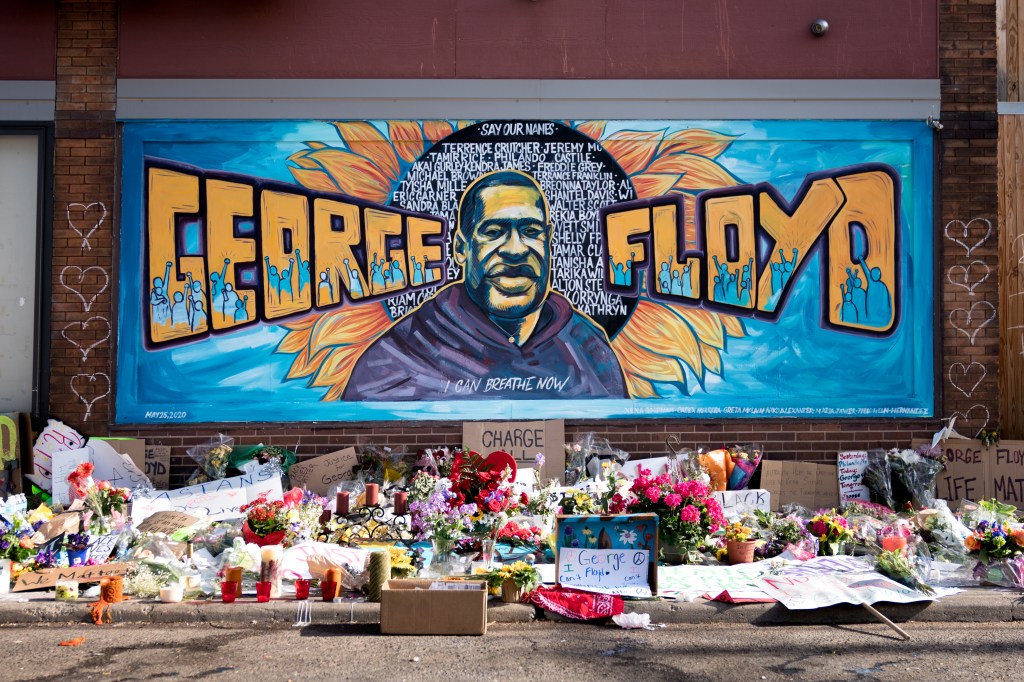
En el mes que siguió el asesinato de George Floyd hubo manifestaciones multitudinarias y disturbios callejeros; estatuas de esclavistas fueron pintarrajeadas, dañadas o derribadas. Todavía no hay partido de fútbol en este país que no comience sin que los todos jugadores hinquen la rodilla antes de la primera patada.
En este primer mes hubo una efusión de palabras y promesas y gestos de solidaridad con la población de color. Vimos a gente blanca pidiendo perdón y expresando su arrepentimiento por el comportamiento de sus congéneres. Otros contribuyeron dinero a la causa. Incluso oímos decir de personas que hicieron reparaciones financieras individuales, enviando ofrendas de dinero a personas concretas, intentando disculparse así, no por sus propias transgresiones, sino por los horrores del pasado y del presente cometidos por la raza blanca.
En su columna de opinión muy elocuente en El Times (una versión abreviada del New York Times en español) del 16/06/20 el autor negro, Chad Sanders, escribe que los emoticonos y las buenas vibraciones de la gente blanca no ayudan. Dice que está recibiendo a diario cientos de gestos de solidaridad blancos como este:
“Hola amigo. Solo quería contactarte y hacerte saber que te quiero y valoro profundamente que estés en mi vida y que tus historias estén en el mundo. Y lo lamento mucho. Este país está muy mal, enfermo y lleno de racismo. Perdón. Creo que estoy cansado de esto; mientras tanto, me duermo en mis laureles de privilegio blanco. Te quiero y estoy aquí para luchar y ser útil de todas las formas posibles ❤️❤️❤️”.
Sanders dice que, en vez de enviarle mensajes así, en los que la gente blanca le utiliza de basurero de culpa y vergüenza, estas personas afligidas de una responsabilidad momentánea deberían ofrecer cosas más útiles y duraderas para defender a sus compatriotas negras:
- “Dinero: Para fondos que pagan los costos legales de las personas negras que han sido arrestadas, encarceladas o asesinadas injustamente o para apoyar a los políticos negros que contienden a un cargo público.
- Mensajes: Para sus parientes y seres queridos diciéndoles que no los van a visitar ni responderán sus llamadas telefónicas sino hasta que realicen acciones significativas para apoyar las vidas negras, ya sea mediante la participación en protestas o contribuciones financieras.
- Protección: Para los compañeros negros que salen a manifestarse y corren mayor riesgo de salir lesionados durante las protestas.”
No se puede negar el valor de estas medidas pero sólo son útiles hasta cierto punto. Más bien son medidas defensivas y no hacen frente directamente a los diablos que llevan siglos asediando la sociedad norteamericana.
Tampoco ayudan mucho en mantener el ímpetu revolucionario obtenido a través de la divulgación del video del asesinato de George Floyd. No me interpretéis mal. Sólo quiero decir que, tristemente, el ímpetu va desvaneciéndose sin estímulo continuo. La historia sugiere que dentro de poco el revuelo actual se apaciguará y las aguas volverán a su cauce. El racismo ya ha sobrevivido un sinnúmero de horrendos casos. Poco ha cambiado a lo largo de los últimos setenta años pese a los linchamientos de niños, las muertes de líderes negros abatidos en pleno discurso público o asesinados a sangre fría mientras dormían en sus camas.
Después de cada atrocidad vuelve el statu quo. Y la táctica reaccionaria es siempre igual. Durante el período sensible en el que se descarga la ira pública, los policías, los rednecks, los republicanos, y los cabilderos a favor de las armas mantienen el pico cerrado y esperan a que pase la tormenta. Y pasa, como siempre pasa – porque The American Way of Life, el estilo de vida americana se ha acostumbrado a este tipo de cosas. Se ha adaptado y se ha curtido con este sufrimiento. Se acepta que el racismo y la muerte violenta son cosas lamentables pero inevitables.
Ya comienza a notarse la actitud de resignación en el caso de George Floyd.
Lo que hace falta es una campaña que sirva para mantener el impulso del primer mes y que perdure sin tener que contar con repetidas atrocidades; una campaña que tenga el poder de unificar a los liberales blancos con la gente negra y hacerlo a largo plazo; una empresa en la que puedan hacer causa común. Y tiene que ser algo que va estrechamente relacionado con la meta de reducir la enorme violencia inherente en la sociedad norteamericana: hay que buscar una alianza contra la cosa que amenaza con destruir la vida de todos. Idealmente, sería una alianza que pudiera abordar eficazmente el problema que va más estrechamente relacionado con el alto índice en EEUU de asesinatos, de tiroteos diarios en la calle, de masacres estudiantiles y de opresión racial: es decir, el problema de cómo suprimir el derecho de poseer las armas; el problema de cómo derogar la Segunda Enmienda de la Constitución Estadounidense que atorga a cualquier pistolero lunático el sagrado derecho de llevar sus adoradas armas de fuego.
Hay que recordar que este derecho fue dado Al Pueblo (blanco) en 1791, hace casi dos siglos y medio. En los muchos debates sobre la Enmienda que han tenido lugar a lo largo de los últimos doscientos años siempre se ha hablado de los dos únicos posibles interpretaciones de ella: o se pretendía que la Enmienda fuera una garantía de que el pueblo podía alzarse en armas contra un gobierno tiránico o, por otro lado, se pretendía dar a los ciudadanos individuales el derecho de llevar armas para defenderse contra cualquier posible ataque personal.
Visto desde fuera y a estas alturas, este debate parece irrelevante en el siglo 21. Hoy en día es absurdo considerar que pudieras derribar un gobierno tiránico con unas cuantas armas ligeras. Me parece a mí que el debate nunca dio en el clavo: la Enmienda fue instituida en el siglo dieciocho porque EEUU era un país sin ley y todo el mundo necesitaba un arma para defenderse del otro. La ley fue introducida porque el EEUU de 1791 fue una sociedad profundamente insegura en la que todas las personas estaban siempre mirando por encima de su hombro, temerosas de ser atacadas por los malos.
Pero, eso no era el único motivo por el cual la población blanca necesitaban armas. Hubo otro, tácito: los colonos blancos las necesitaban para que pudieran defenderse contra cualquier ataque por parte de los llamados “pieles rojas”, la gente indígena que estaba siendo masacrada y deportada por la política del gobierno; a la vez, los negreros y sus capataces las necesitaban para exigir la obediencia de sus esclavos negros; la gente corriente blanca las necesitaban para que sus criados negros no padecieran delirios de igualdad; era una medida para fortificar el control que la población blanca ejercía sobre las razas subjugadas.
Una vez introducida la Segunda Enmienda ya no había vuelta atrás porque nadie quería renunciar su propia pistola porque nadie quería quedarse indefensa ante los demás. Era un círculo que se ha hecho cada vez más viciosa. Hoy en día, hasta los miembros de la población negra que, en el pasado no quisieron armarse, están comprando armas para defenderse.
Las millones de muertes causadas por pistolas y rifles de asalto han creado un ambiente de miedo nacional. En barrios negros y de minoritarios étnicos, la gente vive en el perpetuo temor de ser matada por la policía o vigilantes; en colegios, institutos y universidades la gente siempre está atenta a la posible aparición de otro asesino que posee la combinación mortífera de un trastorno mental y un rifle Kalashnikov. Y cada vez que esto ocurre y mueren docenas de niños, oímos el llanto y el crujir de dientes, pero nunca se hace nada para prevenir que vuelva a ocurrir. Y la vida continúa. Y andamos esperando la próxima matanza masiva o el próximo asesinato de una persona negra a manos de la policía.
No soy tan imbécil que yo crea que una campaña de blancos y negros unidos para abolir la Segunda Enmienda va a cambiar las actitudes empedernidas de la noche a la mañana: no quiero subestimar la desprotección que sienten tantos americanos cuando no van sin pistola en el cajón de la cocina o en la guantera del coche; asimismo, sería ingenuo a pasar por alto los intereses financieros y la palanca que tiene la Asociación Nacional del Rifle y la industria armamenticia. Aunque yo creo que tal campaña es una etapa clave en la lucha para unificar blancos y negros y así es esencial para la creación de una sociedad mutuamente comprensiva, entiendo bien que tal empeño pueda ser un encargo demasiado complicado, si quieres contar con el apoyo de los políticos que se limitan a balbucear chorradas como ‘las armas no matan a las personas, las personas matan a las personas’.
Como escribió Vicky Elliott tan sucintamente en su artículo sobre la pena de muerte en El correo de la UNESCO en 1999:
“En esta cultura basada en principios puritanos y que exalta el uso de las armas, las relaciones humanas se plantean aún en términos maniqueos. En un clima influenciado por sectores religiosos conservadores, pronunciarse públicamente contra la pena capital es poco menos que un suicidio político.”
Talvez, en un principio, la alianza debiera restringirse a la campaña popular que sigue ganando fuerza (Defund the Police!), esa de que los gobiernos estatales retiren fondos de los departamentos de policías para volver a invertirlos en programas sociales, empleando, por ejemplo, asistentes sociales en casos de emergencias no violentas.
Pero ojo. Hay un auténtico problema en abolir la policía por completo, en erradicarla sin más ni más. ¿Quiénes la van a sustituir? Los asistentes sociales no servirán para nada en la detención de los autores de crímenes violentos, violaciones, abusos de menores, la pornografía infantil, la violencia de género, el maltrato de los viejos y gente discapacitada etcétera. ¿Quién va a llevar a cabo los arrestos de personas implicadas en la corrupción y el crimen organizado? Si deja de existir la poli, no van a dejar de existir los matones, los sicarios, los psicópatas, y los estafadores. Él que la policía represente poco valor por el dinero que les pagamos no quiere decir que no nos haga falta fuerzas del orden. *
¿Y no debería resolverse el problema de la droga antes de desbandar la poli? Mucha gente cree que deberíamos despenalizar la droga y tratar a los drogadictos como enfermos en vez de castigarles por su toxicomanía. Pero hay que hacerlo debidamente y crear un servicio para tratarlo antes de que despidamos a la policía.
Claro que la policía norteamericana es un flagelo de la gente negra. Claro que los policías se entretienen en los barrios negros y muchas veces sólo sirven para acosar, intimidar y detener; en el peor de los casos sólo provocan derramientos de sangre. Claro que hay que cortarle las alas. Claro que hay que hacer algo ahora. Pero, la violencia en EEUU es un problema complicadísimo y no se va a esfumar con la supresión de la policía y no sólo porque los criminales seguirán existiendo, sino también porque el crimen y su castigo es un gran negocio por allí; el mercado doméstico de la compra y venta de armas mueve billones de dólares cada año; no hay otro lugar en el mundo en el que la industria penitenciaria sea tan rentable.
Todo se remonta a 1791. Pero, bueno, si una campaña para quitarle fondos a la policía tiene éxito los organizadores pueden proceder luego al desmantelamiento de la Segunda Enmienda.
*Lástima que se haya acuñado el término defund, porque en inglés este neologismo tiene un cierto trasfondo que implica “quitarles los fondos por completo” en vez de reducirlos parcialmente.

 Ingleses