Cómo entender Tyntesfield: El programa de Al Jazeera, Perilous Jobs in Peru (Trabajos peligrosos en Peru)

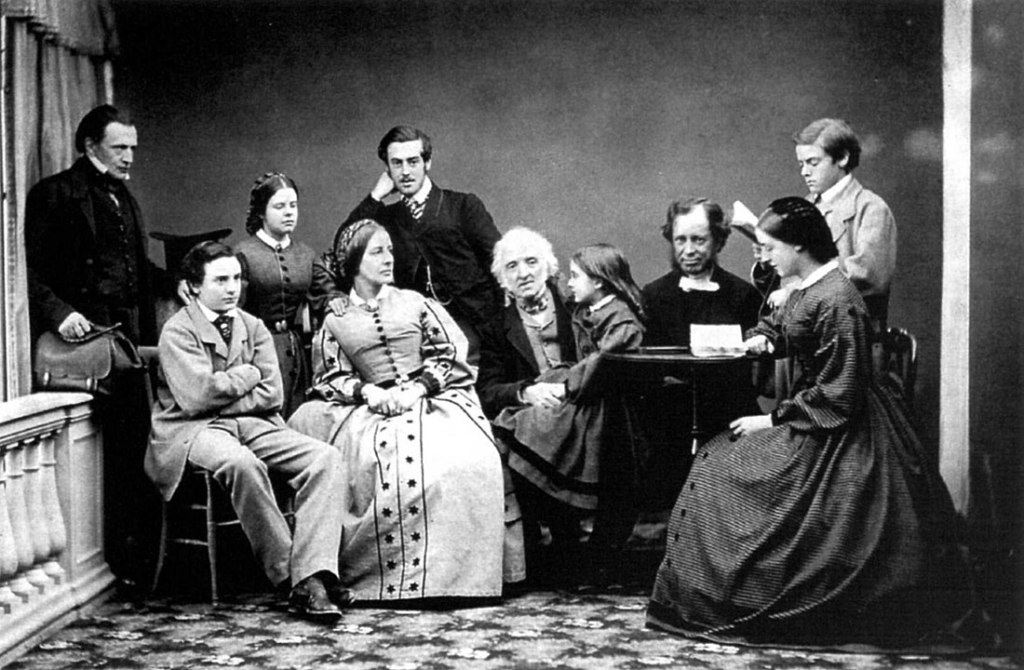
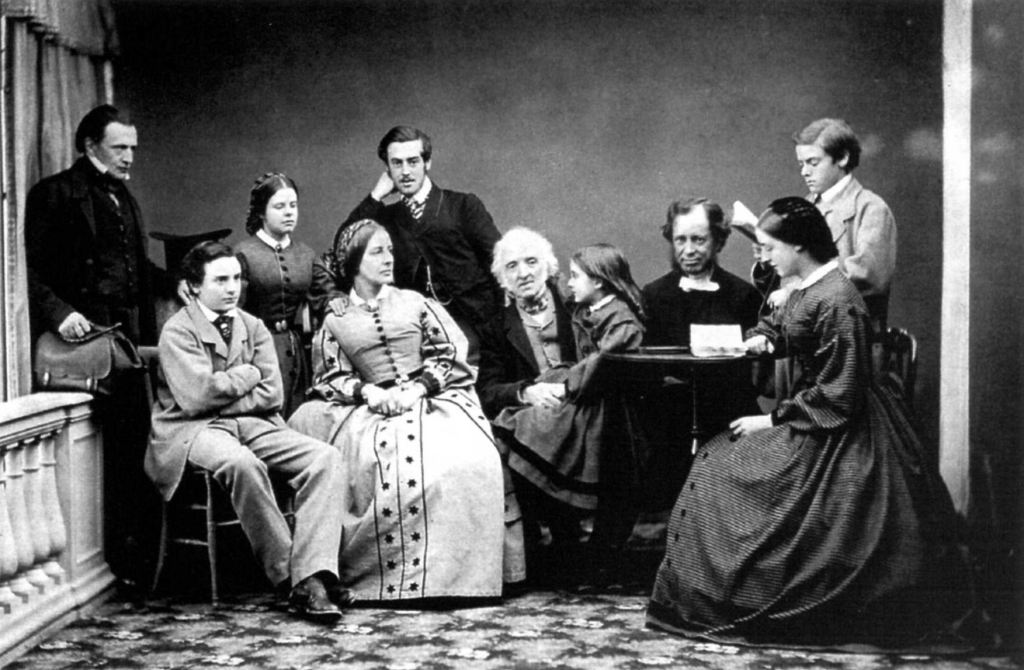
1862. William Gibbs (centro), el devoto cristiano que construyó Tyntesfield con el dinero que obtuvo de los miles de esclavos chinos que fueron trabajados hasta la muerte en las áridas islas tóxicas frente a la costa de Perú

He escrito varias veces sobre Tyntesfield, la casa señorial cerca de Bristol que hoy en día es propiedad del National Trust. William Gibbs hizo construir la casa a mediados del siglo diecinueve con los ingresos que obtuvo del trabajo forzado de miles de chinos secuestrados y esclavizados. Ninguno de ellos sobrevivió. Todos fueron trabajados hasta la muerte, décadas después de la abolición oficial de la esclavitud en el Reino Unido. 

Los esclavos eran utilizados para extraer excrementos de aves (guano) en las islas del Pacífico Sur. La gran idea de importar guano al Reino Unido no se le ocurrió a Gibb hasta 1840. En sentido estricto la idea no vino de él sino de su agente en Lima. Al principio, le parecía a Gibbs un proyecto descabellado y poco rentable. Pero, antes de que él pudiese decir que no, el agente había firmado un acuerdo para comprar el guano del gobierno peruano. Por suerte, Gibbs había subestimado la manía victoriana por la jardinería. El guano se vendía como pan caliente, por decirlo así.

Se obtenía el guano de las islas Chincha, situadas frente a la costa peruana. En aquel entonces estaban cubiertas de una capa de treinta metros de profundidad de excrementos de aves marinas, en su mayoría los de los pájaros bobos, los llamados alcatraces piqueros. Había millones de toneladas listas para llevárselas.

En cantidades limitadas el guano, lleno de nitratos, fosfatos y potasios es un fertilizante ideal. Pero, su enorme concentración en las islas Chincha las convertía en áridos y cáusticos entornos muy dañinos a la salud de cualquier ser humano expuesto a ellos a lo largo de un período prolongado. Nada florecía en condiciones tan ácidas y hostiles, mucho menos los hombres que fueron mandados a la fuerza a trabajar allí.

Al principio, las excavaciones fueron llevadas a cabo mayormente por presidiarios, desertores del ejército peruano recapturados y esclavos. De esta manera el gobierno peruano mantuvo el coste de producción a un nivel mínimo e hizo que la extracción fuera lo más rentable posible.

En 1849, cuando se necesitaban mas trabajadores forzados se empezaba a introducir mano de obra china “contratada”, este término siendo un eufemismo para la esclavitud. Estos peones eran secuestrados o engañados y luego detenidos en barracones antes de ser transportados al Perú.

En el siglo decimonónico las estimaciones de la tasa de mortalidad entre los chinos raptados varían de investigador a investigador. Algunos estimaron que entre 1847 y 1859 murieron un 40 por ciento de estos culis (coolies en inglés) durante la singladura a las islas Chincha. Otros dijeron que más de dos tercios de los sobrevivientes fallecieron durante su período de “contratación”, la duración de un “contrato” siendo típicamente de unos 5 o 7 años. Además, si duraron al final del “contrato” los chinos se vieron forzados a continuar a trabajar hasta que cayeron muertos. (términos como contratación y contrato se utilizaban en un intento de evitar alegatos de esclavitud que podian haber traido ruina al negocio)

En 1860 se calculó que no sobrevivió ni un solo chino de los 4,000 transportados a las islas desde el comienzo de la industria. La brutalidad del sufrimiento de los chinos hizo que las islas tendrían menos de esclavitud y más de campos de concentración nazis. El salvajismo con el que se trataba a los chinos era bien conocido. Todos los testigos – y hubo muchos – atestiguaban que la disciplina consistía en flagelaciones y torturas.  A unos 25 kilómetros de la costa, era imposible que los esclavos escaparan nadando. El único método de evasión infalible fue él del suicidio. Según el Journal of Latin American Studies, un marinero norteamericano alegó que hubo un caso en 1853 en el que 50 chinos se cogieron de la mano y se lanzaron de un precipicio a su muerte en el mar.

Todas las tripulaciones de las docenas de barcos que acudían a las islas para llenar sus bodegas con los sacos llenos de guano comentaban sobre la barbaridad de las condiciones y habría sido imposible que ningún comerciante de guano no hubiera sido consciente de las condiciones infrahumanas que existían en las islas.

Por algún motivo perverso el National Trust sigue negándose a explicar de lleno que la riqueza de la familia Gibbs se deriva de la muerte de miles de esclavos chinos. ¿Acaso el National Trust se avergüenza de la historia de la casa, como si, al haberla comprado, fuera inevitablemente cómplice, como los Gibbs, de los horrores ocultos de su pasado, o es simplemente que les gustaría aferrarse al cuento de hadas que han contado durante años sobre el amable hombrecito cristiano que hizo su dinero vendiendo caca de pájaro? Bajo presión, The National Trust admite ahora que «las condiciones de vida eran deficientes» para los chinos que vivían en «condiciones similares a la esclavitud». Esto es como decir de Auschwitz que las cosas ahí eran difíciles para los judíos. Sólo podemos esperar que algún día, alguien con interés en la verdad herede el puesto de director de la Trust.

Mientras tanto, para el resto de los que actualmente están en la cúpula del National Trust (que tal vez simplemente no se imaginan cómo se trabajaba hasta la muerte a los chinos), hay un interesante documental de televisión sobre las condiciones de trabajo actuales en la industria del guano. En junio de 2019 el canal de noticias y documentales Al Jazeera realizó un programa llamado Perilous Jobs in Peru (Trabajos peligrosos en Perú), parte de su serie Risking it all (Arriesgándolo todo):  Perilous Jobs in Peru | Poverty and Development. El programa mostraba que la industria de recoger el guano continua, aunque hoy en día está regulada. Aun así, los trabajadores que eligen este trabajo lo encuentran casi insoportable. Los realizadores del programa visitaron la isla de Asia, un sitio rocoso y esteril, situado a un par de kilómetros de la costa de Perú. Aquí se mina el guano. Muchos de los hombres que vienen aquí a trabajar solo lo pueden aguantar un mes, algunas veces solamente una semana. Son jóvenes de la montaña, gente en buena forma física que está acostumbrada a un fuerte trabajo manual. Vienen bien equipados. Ganan el doble del salario mínimo y reciben casa y comida gratis. Pero no hay agua dulce en la isla y tienen que conformarse con 8 litros diarios para lavarse y hacer la colada. Cada siete días un barco trae más agua. Por el calor ecuatorial, el trabajo comienza a las 5 de la madrugada. La excavación del guano se hace a mano porque el uso de excavadoras mecánicas espantarían a los pájaros. Los hombres usan picos porque el guano se ha endurecido como si fuera cemento. El polvo es muy irritante, el olor amoniacal es casi insoportable y causa daño a los pulmones incluso en dosis pequeñas. El proceso de cribar el guano para eliminar las piedras y las plumas y después empacarlo en sacos produce nubes de polvo. Para protegerse del polvo los hombres se cubren la boca con pañuelos. El gobierno les da mascarillas pero no pueden respirar a través de ellas porque se atascan con el polvo. Asimismo los hombres prescinden de las viseras de plexiglás porque estas no sirven para nada con la cantidad de mugre que se acumula encima. El guano y la cantidad de insectos que viven dentro de la caca causan daños tanto al interior como al exterior del cuerpo. La isla rebosa de garrapatas que chupan la sangre. El guano sí mismo produce una reacción alérgica en la piel.  En poco tiempo los brazos y las piernas de los trabajadores están cubiertos de llagas y picaduras. Los hombres cosechan sobre 50 toneladas al día, durante el cual cada uno de ellos lleva 100 sacos de 50 kilos cuesta arriba a la plataforma de carga. Una vez terminada la jornada no hay nada que hacer en la isla. Uno de los hombres comentó con una sonrisa irónica que la isla parecía una cárcel.

Sin duda, no es difícil comprender que los hombres chinos desnutridos que fueron metidos a la fuerza en las bodegas de los barcos-prisión y llevados al otro lado del Pacífico y liberados en su estado debilitado en las islas del guano, sin equipo de seguridad, ropa de protección o instalaciones de lavado y luego con una dieta insustancial, sucumbirían fácilmente a las condiciones infernales y a la violencia física que se ejercía regularmente. No podían vivir más de unos meses o un año como máximo. Simplemente se les hacía trabajar hasta la muerte.
Understanding Tyntesfield. The Al Jazeera programme, Perilous Jobs in Peru.

1862. William Gibbs (centre), the devout Christian man who built Tyntesfield from the money he made from the thousands of Chinese slaves who were worked to death on barren toxic islands off the coast of Peru.

I have written several times about Tyntesfield, the National Trust property near Bristol that was built from the money made by William Gibbs from the labour of thousands of Chinese slaves who were worked to death in the mid nineteenth century, decades after slavery was officially abolished in Britain. 

The slaves were used to mine bird droppings (guano) on islands in the South Pacific. The great idea of importing guano into the United Kingdom occurred to William Gibbs’ agent in Lima in 1840. In the beginning, the project seemed hare-brained and unprofitable to Gibbs. But, before he could say no, the agent had signed an agreement with the Peruvian government to buy the guano. Luckily for Gibbs, in Victorian times there was an extremely lucrative demand for all things which boosted horticultural production and the bird droppings proved to be a powerful fertiliser. The guano sold like hot cakes, for want of a better expression.

The guano was obtained from the Chincha Islands, situated off the Peruvian coast. At that time they were covered in a layer of seabird droppings some thirty metres thick, mainly the excrement of Boobies, the so-called blue-footed albatross. There were millions of tons ready to go.

In limited quantities, the guano, full of nitrates, phosphates and potassium is an ideal fertiliser. But its enormous concentration on the Chincha Islands made them a caustic environment, very harmful to the health of any human being exposed to it for a prolonged period. Nothing flourished in such hostile and acid conditions, least of all the men who were forced to work there.

At the beginning the digging was mainly done by prisoners, recaptured deserters from the Peruvian army and slaves. In this way the Peruvian government kept the cost of production to a minimum and made the venture as profitable as possible.

In 1849 when replacement workers were needed (presumably because the original ones had perished), they began to import “indentured” Chinese labourers, kidnapped or duped in China and held in barracks until they were transported to Peru in prison ships reminiscent of those used to carry black slaves from Africa to Latin America.

In the 19th century, estimates of the mortality rate of these Chinese forced labourers varied from investigator to investigator. Some estimated that between 1847 and 1859, 40% of these coolies died on the sea journey to the islands. Others said that two thirds of those who survived the crossing died during their “indenture”, the duration of said “indenture” lasting 5 or 7 years. Moreover, if they lasted to the end of the “contract” the Chinese were forced to continue working until they dropped dead. (Words like indenture and contract were used in an attempt to avoid allegations of slavery which could have ruined the business).

In 1860 it was calculated that not one of the 4,000 Chinese who had been transported to the islands since the beginning of the industry had survived. The brutality of the suffering of the Chinese made the islands more like Nazi concentration camps and less like the traditional slave plantations. The savagery of the regime with which the Peruvians governed the workers was common knowledge. All the witnesses — and there were many — attested that discipline consisted of whipping and torture. And there was no escape. At a distance of 25 kilometres from the coast it was impossible to swim to the mainland. The only infallible escape was suicide. According to the Journal of Latin American Studies an American sailor alleged that there was a case in 1853 in which 50 Chinese linked hands and jumped from a precipice to their death in the sea.

All the crews of the dozens of boats that came to fill their holds with the sacks of guano commented on the barbarity of the conditions and it would have been impossible for any dealer in guano not to be aware of the subhuman conditions that obtained in the islands.

For some perverted reason, the National Trust continues to refuse to fully explain that the Gibbs fortune was based upon the death of thousands of Chinese slaves. Does the NT feel somehow ashamed of the history of the house as if, having bought the place, they are, like the Gibbs family, inevitably complicit in the hidden horrors of its past or is it simply that they’d really like to hang on to the fairy tale that they have told for years of the nice Christian man who made his money from selling bird poo? Under pressure, The National Trust now admits that “living conditions were poor” for the Chinese who lived in “slavery-like conditions”. This is like saying that in Auschwitz things were tough for the Jews. We can only hope that one day, somebody with an interest in the truth will inherit the job at the top of the Trust. 

Meanwhile, for the rest of those currently at the top of the National Trust (who may simply have no imagination of how the Chinese were worked to death), there is an interesting TV documentary on the current working conditions in the guano industry. In June 2019 the news and documentary channel Al Jazeera made a programme called Perilous Jobs in Peru in their series Risking It All. Perilous Jobs in Peru | Poverty and Development . It showed that the industry of harvesting bird droppings continues but is no longer unregulated. Even so, the work is still almost unbearable for those who volunteer for the job. The programme makers visited Asia island, a barren rocky place, a couple of kilometres off the Peruvian coast. Guano is mined here. Many men who come to work here for the first time only stay for a month, sometimes they can only stand it for a week. These are fit young men from the mountains who are used to tough manual labour.  They come well equipped.  They earn double the minimum wage and are also fed and housed for free. But there is no fresh water on the island and they have to make do with 8 litres a day for washing and laundry. A boat makes a weekly delivery of water. Work starts at 5 am because of the equatorial heat. The digging is all done by hand as machines would scare off the birds. The men use picks because the guano has set as hard as cement. The dust is very irritating, the ammoniacal smell is almost unbearable and even short periods of exposure to it will damage lungs. Sifting out feathers and stones and packing the dung into sacks produces clouds of dust. To combat this the men wear scarves over their faces. The government provides masks but the men don’t use them as they clog up with dust so they cannot breathe. Likewise they dispense with the perspex goggles that are provided as they cannot cope with the volume of grime. The guano and the insects that live in it are damaging to the inside and outside of the human body. The island is swarming with ticks which suck the blood of the workers. The guano itself produces an allergic reaction on their skin. In no time at all the arms and legs of the workers are covered in bites and sores. The men harvest about 50 tons a day, during the course of which each man carries 100 sacks weighing 50 kilos uphill to the loading platforms. Once work is over for the day there is nothing to do. One of the men commented with an ironic smile that the place was like a prison. 

Surely it is not difficult to see how undernourished Chinese men who were thrown into the holds of prison ships and brought right across the Pacific and released in their debilitated state on to the guano islands without safety equipment, protective clothing or washing facilities and then given an insubstantial diet, would easily succumb to the hellish conditions and the physical violence that was regularly meted out. They could not have lived longer than a few months or a year at the most. They were simply worked to death.

Tyntesfield, transparencia y la trata de esclavos chinos (3)

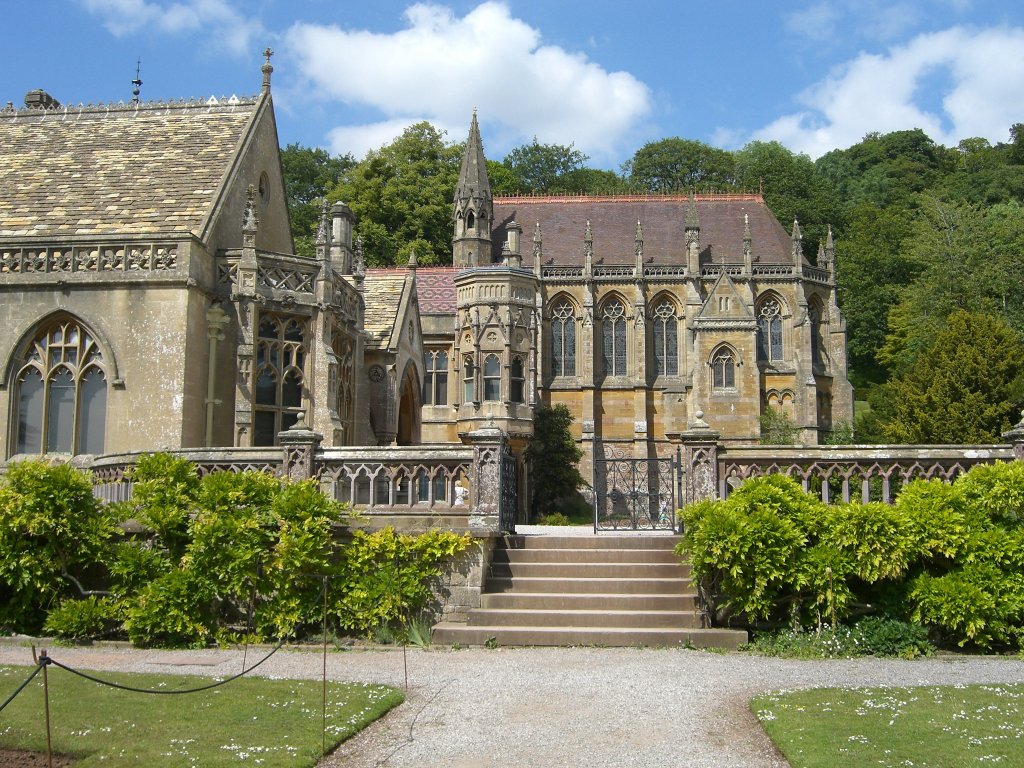
Tyntesfield chapel: By PJMarriott, CC BY 3.0, https://commons.wikimedia.org/w/index.php?curid=53589423

En la serie televisiva Great British Railway Journeys el presentador, Michael Portillo, baja del tren para visitar Tyntesfield1. Uno de los guías le enseña el lugar y le explica que William Gibbs no tenía ninguna responsabilidad por la esclavitud de los chinos. Dice textualmente que “fue el gobierno peruano que llevaba a cabo la actividad minera”. En otro eufemismo típicamente británico admite que las condiciones de trabajo eran “bastante adustas”. No había ninguna mención de los miles de esclavos chinos que fueron forzados a trabajar hasta la muerte en la explotación del guano. En lugar de eso, oímos que William Gibbs era abstemio, un pilar de la clase dirigente, un miembro de la iglesia anglicana tradicional y un hombre dedicado a la oración matutina y vespertina.

Luego en 2018 pusieron el programa en el que Alan Titchmarsh elogió a William Gibbs en un tono deferencial, respetuoso y, hay que decirlo, francamente adulador2. Titchmarsh estaba anonadado por la fortuna que este cristiano tan venerable e ingenioso había creado de la importación de una sustancia tan humilde y tan barata.

Fue entonces, después de escuchar esta sarta de tonterías, cuando escribí a la oficina de atención al cliente de la National Trust (NT). Como sabéis, me aseguraron de que todo estaba cambiando en la NT: el programa presentado por Titchmarsh fue cosa de hace dos años y nunca volverían a hablar de Tyntesfield de la misma manera: “estamos intentando hablar más sobre la historia horrorosa de la industria guanera y como la familia Gibbs obtuvo su riqueza de ella.” En el futuro presentarían “una historia fiel, abierta e inclusiva de la mansión y sus lazos a la industria guanera.”

Pero hace unas semanas viene el programa que la NT acaba de hacer en colaboración con el Channel 4: en George Clarke’s National Trust Unlocked3 volvieron a pintar a William Gibbs como un comerciante muy exitoso que hizo su agosto vendiendo un montón de caca de pájaro. Una vez más, oímos la misma inocencia, oímos los mismos tópicos, oímos la mismísima “nota de humor” y escuchamos la misma versión expurgada de lo que pasó.

Después de la última entrada del blog escribí a Hilary McGrady, directora general de la NT, preguntándole la razón por la cual la NT seguía hablando del guano sin mencionar a los esclavos y el papel que cada uno de ellos había desempeñado en la creación de la fortuna de familia Gibbs. La señora McGrady lleva toda una vida trabajando en marketing. Entiende muy bien los beneficios de la buena publicidad y el valor de las buenas relaciones con su público.

Ella no se dignó a contestar.

No entiendo porque la NT se considera obligada a ser apologista por un hombre que hizo construir su casa señorial con las ganancias que el obtuvo de un campo de concentración victoriano. No entiendo los motivos por los cuales la NT sigue con la farsa de insistir que William Gibbs era un caballero honrado y un empresario ingenioso.

¿Piensa el consejo de dirección de la NT que la gente dejaría de visitar estas atracciones si se diera a conocer que fueron construidas sobre la tortura y la muerte de los auténticos creadores de la fortuna que dio origen a la casa y sus terrenos? Yo creo que esto es un ejemplo de pensar al revés. Hablando por lo general, el público de la NT es gente educada de la clase media y se compone de personas que preferirían ser informadas de la verdadera historia del lugar. La realidad es que la mayoría de los socios de la NT solo quieren pasar un día agradable con la familia, recorriendo una casa de interés histórico, dando un paseo por los jardines bien cultivados y comiendo algo sabroso en el restaurante. Lo que no quieren es que la NT les engañe con tonterías.

Es grotesco y mentiroso que la NT siga limitándose a decir que es muy gracioso que un hombre hubiese hecho una fortuna de la caca de aves suramericanas. Porque no es la verdad. El valor fue creado por los esclavos. Sin los chinos secuestrados y encarcelados en las islas Chincha, Gibbs no podía haber comprado el guano a un precio tan reducido y haberlo vendido por unas ganancias tan altas. No reconocer esto es un insulto a la inteligencia de los socios de la NT. Más importante todavía es que representa un insulto a la gente china que fue sacrificada tan cruelmente al afán de lucro.

Las vidas chinas importan también.

Referencias

1 Great British Railway Journeys S7 Ep 14. BBC 2015. Actualmente este episodio no se puede ver en la BBC. Sin embargo, hay una copia de baja calidad en YouTube.

2 Secrets of the National Trust S3 Ep 6, 08/08/2018. Channel 5.

3 George Clarke’s National Trust Unlocked S1 Ep 4, 13/09/20. Channel 4.

Tyntesfield, Transparency and the Chinese Slave Trade (3)

The chapel at Tyntesfield

In the television series Great British Railway Journeys, Michael Portillo got off the train to visit Tyntesfield1. One of the guides showed him around and explained to him that William Gibbs had no responsibility for the enslavement of the Chinese. He said, “It was the Peruvian government who were doing the mining”. In another typically British euphemism the guide admitted that the working conditions were “pretty grim”. There was no mention of the thousands of Chinese slaves who were worked to death mining the guano. Instead of this we heard that William Gibbs was teetotal, a pillar of the Establishment, a member of the High Anglican Church and believed in prayer, both in the morning and in the evening.

Then in 2018 came the programme in which Alan Titchmarsh eulogised William Gibbs using a tone that was deferential, respectful and, it has to be said, frankly sycophantic2.

You will remember that it was after this that I wrote to the customer services department at the National Trust (NT). As you know, they assured me that everything was changing at the NT: the programme presented by Titchmarsh was now two years old and they would never again speak of Tyntesfield in the same way: “we are now working to do more to talk about the horrific history of the guano industry and how it brought wealth to the Gibbs family”. In the future they would present “an accurate, open and inclusive history of the property including the link to the guano industry”.

But afterwards, only a few weeks ago, came the programme that the NT made in collaboration with Channel 4: in George Clarke’s National Trust Unlocked 3 they again painted William Gibbs as a very successful trader who made his fortune from a heap of bird droppings. Once again, we heard the same innocence, we heard the same old cliches, we heard the same ‘humorous’ remark and we heard the same expurgated version of what happened.

After my last blog post I wrote to Hilary McGrady, the Director General of the NT, asking her the reason why it was that the NT continued to talk about the guano without mentioning the slaves and the role that each and every one of them played in the creation of the Gibbs family fortune. Ms McGrady has spent a lifetime working in marketing. She understands very well the benefits of good publicity and the value of a good relationship with her public.

She did not deign to reply.

I do not understand why the NT considers itself obliged to be an apologist for a man who built his stately home on the profits he obtained from a Victorian concentration camp. I do not understand the reasons why the NT continues with the charade of insisting that William Gibbs was an honourable gentleman and an ingenious businessman.

Does the board of governors of the NT think that people will stop visiting Tyntesfield if it becomes known that it was built upon the torture and death of the real creators of the fortune that gave rise to the house and its grounds? I think this is an example of upside-down thinking. Generally speaking, the NT public is well educated and middle class and is comprised of people who would prefer to be informed of the true history of the place.

The reality is that the majority of NT members only want to have a nice day out with the family, going round a house of historic interest, strolling through the well-kept gardens and having something tasty to eat in the restaurant.

It is grotesque and deceitful that the NT should continue to limit itself to saying that it is most amusing that a man should have made a fortune out of the poo of South American birds. Because it is not true. The value was created by the slaves. Without the kidnapped Chinese workers imprisoned on the Chincha Islands, Gibbs could not have bought the guano at such a low price and sold it at such a profit. Not to recognise this is an insult to the intelligence of NT members. Moreover, it is an insult to the Chinese people who were sacrificed on those barren, remote and desolate islands.

Chinese lives matter as well.

References

1 Great British Railway Journeys S7 Ep 14. BBC 2015. At present this episode is not available on the BBC ¡Player. However, there is a poor-quality copy on YouTube.

2 Secrets of the National Trust S3 Ep 6, 08/08/2018. Channel 5

3 George Clarke’s National Trust Unlocked S1 Ep 4, 13/09/20 Channel 4

Tyntesfield, transparencia y la trata de esclavos chinos (2)

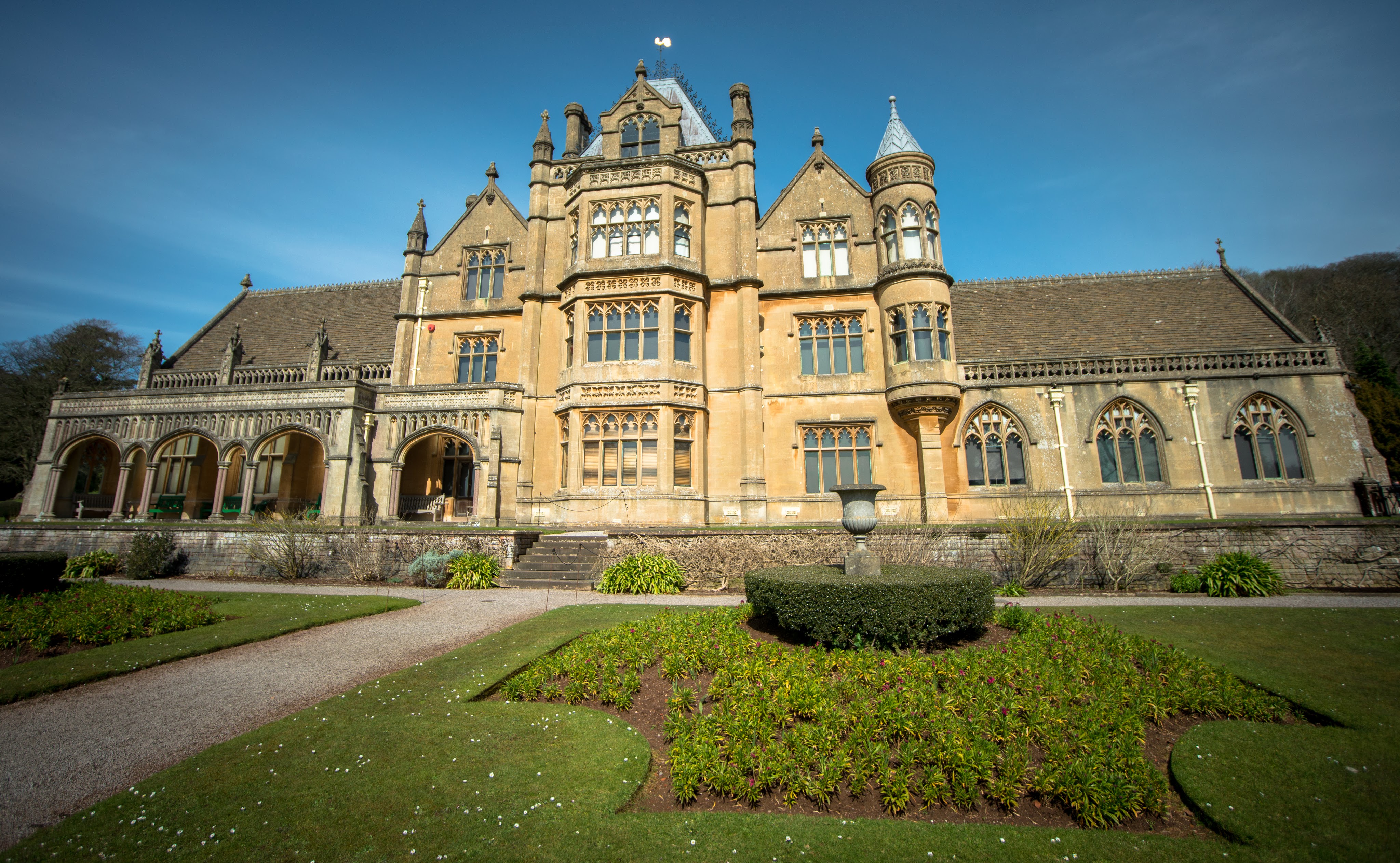
Elevación frontal de Tyntesfield. Wikimedia Commons. Foto por Bs0u10e01

Hace unas semanas vi un programa en el Channel 5 de Gran Bretaña. Se llamaba Secrets of the National Trust (Los secretos de la National Trust) en el que el presentador, Alan Titchmarsh, elogiaba a William Gibbs, el hombre que hizo construir Tyntesfield, su casa señorial.

Titchmarsh describió Gibbs como un cristiano maravilloso, un hombre amable y respetable, un hombre que había amasado una fortuna de una manera tanto ingeniosa como cómica: se le había ocurrido importar a Inglaterra una cantidad ingente de caca de pájaro del Perú, y lo había hecho unos 74 años antes de que se abriera el canal de Panamá; había traído en barco, cientos de miles de toneladas de excrementos casi 20 mil kilómetros por mar del Perú a Inglaterra y la había vendido por un dineral. ¡Qué hombre tan ingenioso e inofensivo!

Escribí a la National Trust y Channel 5 diciéndoles que cabía puntualizar que miles de chinos secuestrados tuvieron que morir en un campo de concentración para que Gibbs pudiese construir su fabulosa mansión y fue imposible que Gibbs no supiera nada de las condiciones de trabajo de los mineros. Era de conocimiento general entre los capitanes y las tripulaciones, los representantes de los exportadores (Gibbs era solo uno de muchos exportadores internacionales), los periodistas y diplomáticos. Incluso, existían fotos y dibujos del secuestro, abuso y tortura de los chinos.

Hay un buen resumen de los acontecimientos en inglés en The History of the Peruvian Guano Industry y se lo puede encontrar en el blog Jeff’s Travels at https://yaffle53.wordpress.com/2014/05/22/a-history-of-the-peruvian-guano-industry/. Incluye fotos y dibujos de la época.

Gibbs sabía lo que hacía, pero se sentía protegido por la ética cristiana victoriana. En la Gran Bretana del siglo 19 la desigualdad racial era un hecho aceptado. Sí, se había abolido la esclavitud negra pero eso no quería decir que los victorianos creyeran que la gente negra fuera su igual. Los negros eran reconocidos como seres humanos pero no eran los iguales del hombre blanco. Eran los recipientes de la simpatía de los abolicionistas, pero, al fin y al cabo, pertenecían a una raza inferior. No merecían ser tratados como animales pero eso no quería decir que tuvieran el derecho de considerarse los iguales del hombre blanco. Así fue con los chinos también.

Desde esa creencia generalizada en la inferioridad de otras razas fue un paso muy corto al desprecio. Y el desprecio por otros seres humanos lleva rápidamente a una indiferencia a su destino y lo que pudieran sufrir antes de su muerte.

Como buen cristiano, William Gibbs rezaba y se dejaba guiar por Dios. Todo formaba parte del eterno plan del Señor para el desarrollo del mundo. Según la lógica del día, Dios había creado los animales para servir a los seres humanos y había creado las razas humanas inferiores para ser instruidas y dominadas por los blancos. Por desgracia, algunos tendrían que dar su vida por el mayor beneficio de la humanidad (es decir, la humanidad blanca) y así cumplir la voluntad de nuestro Hacedor.

Recibí contestas de las oficinas de atención al cliente. Las dos respuestas, tanto la del Channel 5 como la de la National Trust tienden a ser algo formulaicas: están escritas en el lenguaje de las relaciones públicas; están diseñadas a tener un efecto tranquilizador; emplean eufemismos en vez de llamar las cosas por su nombre.

La portavoz de la National Trust escribió así:

“Somos conscientes por toda la National Trust que nos queda más por hacer en el análisis de las fuentes de la riqueza detrás de los edificios de que somos los guardianes. El programa se rodó hace 2 años y siguió la pauta según la cual representábamos a la casa y la familia en aquel entonces. Ahora, en todas las posesiones de la National Trust, estamos acelerando nuestros esfuerzos para investigar y destacar los lazos al colonialismo y la esclavitud, y como se adquirieron las riquezas que permitieron su construcción. Ahora en Tyntesfield estamos intentando hablar más sobre la historia horrorosa de la industria guanera y como la familia Gibbs se benefició de ella. El año pasado, por ejemplo, se presentó en Tyntesfield una muestra fotográfica de Olli Hellman, “$tow High en Transit”, que destacó la disparidad entre la riqueza de Tyntesfield y la decimación de las islas Chincha en que se minaba el guano. Esta muestra era temporal. Sin embargo, la interpretación continúa para que se asegure que podemos presentar una historia fiel, abierta e inclusiva de la mansión y sus lazos a la industria guanera.

A fin de abordar sus inquietudes, hemos hablado con los de Channel 5, y le van a escribir a usted, informándole que van a introducir una modificación al programa que refleje este punto de vista.

Por último, puede interesarle saber que a mediados de septiembre vamos a publicar un informe que destaca los lazos entre la esclavitud y el colonialismo en nuestros lugares en Inglaterra, Gales y el Norte de Irlanda; además este informe nos permitirá a poner al día las páginas web de nuestras propiedades y las explicaciones que se ofrezcan en los edificios mismos.

Gracias por tomar el tiempo para escribir a nosotros, y por compartir sus inquietudes. Espero que usted quede asegurado que hayamos hecho un compromiso para garantizar que estas historias se cuenten entera y honestamente.”

Ella dice que “El programa se rodó hace 2 años y siguió la pauta según la cual representábamos a la casa y la familia en aquel entonces”. Evidentamente, la portavoz no ha leído la guía de la National Trust de 2020 en la que se dice que la casa “fue creada para la familia Gibbs para que celebraran sus logros, criaran a sus hijos y compartieran su dedicación a la familia y la fe” y la historia de William es de “un amor joven …..una familia estrechamente unida, y la creación de una gran fortuna”.

No, aquí en la guía actual, no hay ninguna mención de los chinos que obligaron a trabajar hasta que murieran.

En su email la portavoz escribe también de la exposición, $tow High in Transit, una decena de yuxtaposiciones fotográficas en las que se contrastaban la riqueza de la casa y el jardín de Tyntesfield con los estériles y cáusticos entornos de las islas Chincha. Estas fotos estaban expuestas en caballetes esparcidas por toda la casa. No tenían ni explicación ni pies y no ilustraban la vida de los mineros. A falta de ninguna otra explicación, habría sido muy fácil que un visitante a la casa concluyera de las fotos que William Gibbs era nada menos de un genio y prestidigitador que había hecho aparecer una fortuna como por arte de magia y sin causar daño a nadie.

Es todavía más difícil creer que la National Trust haya hecho borrón y cuenta nueva cuando acaban de grabar, hace unas semanas, otro programa sobre Tyntesfield en el que incidieron en los mismos errores de siempre.  Esta vez lo han hecho en colaboración con el Channel 4. En la última entrega de George Clarke’s National Trust Unlocked (13/09/20) le pintan a William Gibbs como un comerciante muy exitoso que hizo su agosto vendiendo un montón de caca de pájaro. Una vez más, vemos la misma inocencia y los mismos tópicos, oímos la mismísima “nota de humor” y oímos la misma versión expurgada de lo que realmente pasó. Qué reconfortante.

Los del Channel 5 me enviaron esto:

“Channel 5 agradece todas las opiniones de sus espectadores y gracias por tu email y tus observaciones acerca de Tyntesfield y sus vínculos con los mineros esclavidos. Hemos examinado esta cuestión. Rodamos este programa hace más de un año y nos dejamos guiar por la Trust y la manera en la que, en aquel entonces, ellos presentaban la historia de la casa y la familia. No creemos que el programa fuera engañoso, pero sí reconocemos que era lamentable no reconocer la pésima situación de los trabajadores que cosechaban el guano. Tenemos entendido que la Trust ahora está reconsiderando la manera en que se presenta el pasado de sus propiedades, y está acelerando sus esfuerzos para investigar y presentarlo al público en el contexto de las historias mundiales, explicando a la vez, las fuentes de la riqueza con las que los edificios se construyeron y se amueblaron. A fin de reflejar eso, vamos a añadir una ficha al programa para explicar este aspecto de la historia y la respuesta de la Trust. De vez en cuando Los secretos de la National Trust tiene un estilo bastante desenfadado y el programa se concentra en las casas y sus secretos físicos, pero, sobre las tres series el programa ha reconocido los vínculos a la esclavitud y las relaciones con el pasado imperial británico.  Sin embargo, lamentamos que no lo hicimos en este caso particular. Te agradecemos que hayas llamado nuestra atención a este punto.”

Pedí dos veces una clarificación del término “añadir una ficha” pero el personal de Channel 5 no se dieron la molestia de responder. Creo que se trata de insertar un texto, un comentario o talvez un enlace a una página web.

El portavoz dice también que “era lamentable no reconocer la pésima situación de los trabajadores que cosechaban el guano”. Cosechar es un verbo que suscita imágenes románticas de campesinos que siegan campos de trigo dorado o recogen a mano las frutas y verduras de una huerta. Cosechar no es un verbo que describe la realidad de los mineros de las Chinchas quienes fueron forzados a trabajar en condiciones infrahumanas hasta que murieran de agotamiento, tortura y enfermedad. El mero uso del verbo indica la falta de comprensión por parte del portavoz.

Este es un tema central de la historia de Tyntesfield. No es suficiente que añadan una ficha. El programa debería volverse a grabar para explicar debidamente la verdadera relación entre Tyntesfield y la manera en la que se amasaron los fondos para su construcción.

Tyntesfield, Transparency and the Chinese Slave Trade (2)

Photo by Bs0u10e01 from Wikimedia Commons: Front elevation of Tyntesfield, near Bristol UK

A few weeks ago, I watched Secrets of the National Trust, a Channel 5 programme on which the presenter, Alan Titchmarsh, was praising William Gibbs, the man who built Tyntesfield.

Titchmarsh described Gibbs as a marvellous Christian, a kind and respectable man who had amassed a fortune in a way that was as ingenious as it was comical: it had occurred to Gibbs to import into England an enormous quantity of bird poo from Peru, and he had done so some 74 years before the opening of the Panama Canal. He had brought hundreds of thousands of tons of excrement more than 12 thousand miles by sea from Peru to England and he had sold it for a mint. What an ingenious and inoffensive man!

I wrote to the National Trust and to Channel 5 saying that it was worth pointing out that thousands of kidnapped Chinese miners had to die in a concentration camp in order that the Gibbs family could make the money to build its fabulous mansion and it was impossible that Gibbs was unaware of the working conditions of the men. It was common knowledge amongst the captains and the crews, the exporters’ agents (Gibbs was only one of many international exporters), journalists and diplomats. There even existed photos and sketches of the kidnapping, abuse and torture of the Chinese.

The History of the Peruvian Guano Industry is a good summary of events and is to be found on the WordPress blog, Jeff’s Travels at https://yaffle53.wordpress.com/2014/05/22/a-history-of-the-peruvian-guano-industry/. It includes photos and drawings from the time.

Gibbs knew what he was doing but he felt protected by Victorian Christian ethics. In the Great Britain of the 19th century racial inequality was an accepted fact. Yes, black slavery had been abolished but this did not mean that black people were the equals of whites. They were the recipients of the abolitionists’ sympathy but, at the end of the day, they belonged to an inferior race. They didn’t deserve to be treated as animals but that didn’t mean that they had the right to consider themselves the equals of the white man. It was the same with the Chinese.

From this general belief in the inferiority of other races, it was a short step to contempt. And contempt for other human beings leads rapidly to an indifference to their fate and what they might suffer before their death.

As a good Christian, William Gibbs prayed to God and was guided by Him. Everything formed part of the Lord’s eternal plan for the development of the World. According to the logic of the day, God had created the animals to serve human beings and had created the inferior human races to be instructed and dominated by the whites. Unfortunately, would have to give their lives for the greater good of humanity (that’s to say, white humanity) and in this way fulfil the wishes of our Maker.

I received replies from the customer service desks of Channel 5 and the National Trust. Both responses tend to be somewhat formulaic: they are written in the language of public relations; they are designed to have a soothing effect; they employ euphemisms instead of calling things by their name.

The spokesperson for the National Trust wrote:

“We are aware that across the National Trust we have more work to do to address the sources of wealth at the places we look after. This programme was filmed 2 years ago and followed the way that, at that time, the story of the house and family was presented by us. We are now accelerating the work we are doing across all National Trust properties to research and highlight links to colonialism and slavery and how the wealth was acquired that built and furnished them. At Tyntesfield we are now working to do more to talk about the horrific history of the guano industry and how it brought wealth to the Gibbs family. For example, last year the property hosted an exhibition of photography by Olli Hellman, $tow High in Transit, which explored the disparity between Tyntesfield’s wealth and the decimation of the Chincha islands where the guano was mined. This display was a temporary exhibition, however, further interpretation is currently being researched to ensure that we can present an accurate, open and inclusive history of the property including the link to the guano industry.

In order to address your concerns we have spoken to Channel 5 who will be making you aware that they are adding an amendment to the episode for future broadcasts that reflects this position.

Finally, you may be interested to know that we are publishing a report in mid-September that highlights slavery and colonialism connections at National Trust places in England, Wales and Northern Ireland and which will also enable us to update property websites and on-site interpretation to take account of the report’s findings.

Thank you for taking the time to write to us, and for sharing your concerns, I hope you are reassured that we are fully committed to ensuring these stories are more fully and honestly told.”

She says that “This programme was filmed 2 years ago and followed the way that, at that time, the story of the house and family was presented by us.” Evidently, she has not read the 2020 guide to the National Trust in which it says that the house “was created for the Gibbs family to celebrate their achievements, raise their children and share their passions for family and faith” and the story of William is of “young love… a close-knit family and the making of a vast fortune”.

No, here in the present guidebook, there is no mention of the Chinese who were forced to work until they died.

The spokesperson also mentions the exhibition, $tow High in Transit, ten photographic juxtapositions which contrast the richness of the house and garden at Tyntesfield with the sterile and caustic surroundings of the Chincha Islands. These photos were exhibited on easels scattered around the house. They had neither captions nor explanations and they didn’t illustrate the life of the miners. In the absence of any other explanation it would have been very easy for a visitor to the house to conclude from the photos that William Gibbs was no less than a conjuror and a genius who had made a fortune to appear as if by magic and without causing anyone harm.

It’s even more difficult to believe that the National Trust has turned over a new leaf when they have just recorded, a few weeks ago, another programme about Tyntesfield in which they fall into the same old ways. This time they’ve collaborated with Channel 4. In the latest episode of George Clarke’s National Trust Unlocked they portray William Gibbs as a very successful merchant who made his pile selling a pile of bird poo. Once again, we see the same innocence and the same clichés, it strikes the very same “humorous note” and we hear the same old bowdlerised version of what really happened. How comforting.

Channel 5 sent me this:

“Channel 5 appreciates all viewer feedback and thank you for your letter and your observations about Tyntesfield, and its links with enslaved miners. We have looked into this. The programme was filmed more than a year ago and we were guided by The Trust and the way they, at that time, presented the story of the house and family. We don’t feel the programme was misleading, but we accept that it was unfortunate not to acknowledge the terrible situation of the workers who harvested the Guano. We understand that the Trust is now reappraising the way it presents its building’s stories, and is now accelerating work at its properties in researching and bringing to the public the wider world histories, and the sources of wealth that built and furnished them. To reflect this, we are adding a card to the programme to explain this element of the story and the Trust’s response. Secrets of The National Trust does have a quite light hearted approach to its stories on occasion, and mainly concentrates on the houses and their physical secrets, but over three series it has acknowledged the links to slavery and connections with Britain’s imperial past on many occasions. However, we regret that this was not done in this particular programme. Thank you for bringing this to our attention.”

I twice requested a clarification of the term “add a card” but the staff at Channel 5 couldn’t be bothered to reply. I believe that it means to insert a text, a commentary or perhaps a link with a web page.

The spokesman also claims that “it was unfortunate not to acknowledge the terrible situation of the workers who harvested the Guano.” To harvest is a verb which conjures up images of rural folk who reap fields of golden wheat or pick by hand the fruit and vegetables in a market garden. Harvest is not a verb that describes the reality of the miners on the Chincha islands who were forced to work in subhuman conditions until they died from exhaustion, torture and illness. The mere use of the verb indicates a lack of understanding on the part of the spokesman.

This is a central issue of the history of Tyntesfield. It is not sufficient to “add a card”. The programme should be recorded again in order to explain the true relationship between Tyntesfield and the way in which the funds were produced for its construction.