The Sadness of Queen Elizabeth II and the Meaning of the Funeral of Prince Philip

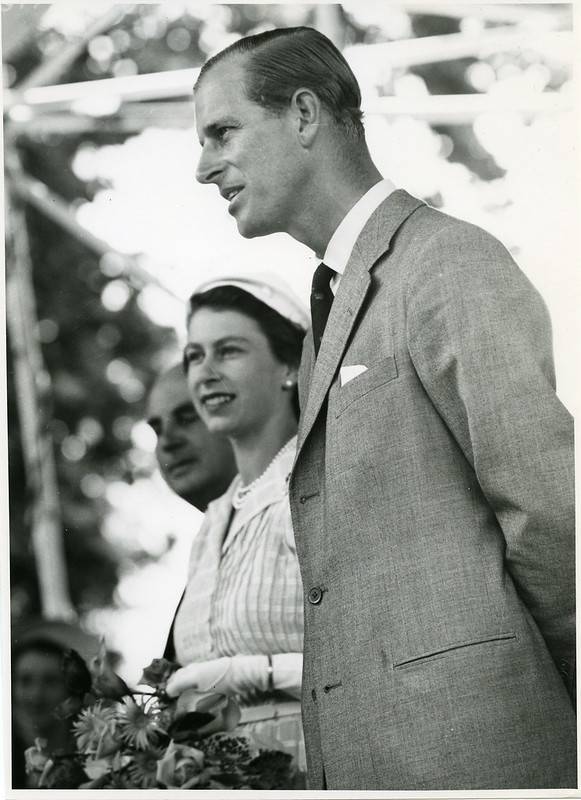
The Queen and Prince Philip, the Duke of Edinburgh in New Zealand, January 1954. Foto: ArchivesNewZealand

It is the saddest sight, that of the tiny figure of the Queen sitting alone in the choir stalls, almost lost in the immensity of the chapel of St George. She has on a long black overcoat and a black broad-brimmed hat. A black mask covers her mouth and her nose. Only her eyes can be seen, eyes that closely observe the coffin of the man who until now has been her constant companion. She is the survivor of a marriage that has lasted 73 years. 

She leads by example. She wears her mask and she sits on her own because there is no one in her bubble. She doesn’t even allow herself the comfort of having her children by her side. That would go against the rules imposed by the government in its attempt to curb the spread of the virus. Although Covid is in retreat and we’ve seen the relaxation of preventative measures there is still no permission to lower your guard completely and for her it is more important to show solidarity with her people than to have the consolation of another person sitting hip to haunch. Throughout her nearly 70 year-long reign she has always done her duty, obeyed the rules and resisted the temptation to express openly her point of view on matters of politics. Curiously, it is not her place to comment publicly on matters of State and she has uncritically backed the policy of whatever government has been in power.

However, for many English people the funeral is the latest episode in the best soap drama on the telly, better even than Coronation Street and EastEnders and they react to the death of Prince Philip the same way as they react to the death of any senior member of the cast of a long-running TV melodrama: it is sad to lose someone like the Duke of Edinburgh, a character that has been on the programme since you were born but, at the end of the day, he was only a bit player; his role was to be the tall, irascible partner of the Queen. However, he was best known amongst the viewing public for putting his foot in it. For example, during a visit to China, he warned a group of English students that they shouldn’t stay in the country too long as they would get slitty eyes.

For these people, the true importance of the funeral is the opportunity it gives for gossiping about the members of the family who have been invited to the ceremony and those that have been left out: “What will be the attitude of other members of the family towards Harry and Meghan? Why in the funeral procession are Harry and William separated by one of their cousins? I don’t like that dress”. etc, etc, etc. For these people the sense of loss portrayed by the players is just part of the plot. They even think it’s great to see them suffer because this is theatre.

However, nobody would ever admit to that.

For republicans, and there are many of us (this country is divided just the same as many others when it comes to the form of government we ought to have), the monarchy is merely a tool of the Establishment and the good fortune, the bad luck and the scandals of the royal family serve to divert public attention away from more pressing social concerns and necessary reforms. Its continued existence is nothing more than another method of accustoming us to the normality of a society based on privileges; an attempt to discourage those of us who would like to see a world built upon a basis of rational principles.

Well, whatever you think is the function of the monarchy, you have to feel compassion for a woman who has sacrificed her whole life for what she believes to be important and who maintains scrupulously her dedication to her people, even if such dedication means that she sits on her own in the choir during the funeral of her only true lifelong friend. 
La tristeza de la Reina Isabel II y el significado del funeral del Príncipe Felipe, el Duque de Edimburgo

La Reina y el Duque de visita a Nueva Zelanda en enero de 1954. Foto: Archives New Zealand

Que espectáculo más triste, el de la pequeña figura de la Reina Isabel II sentada a solas en la sillería del coro, casi perdida en la inmensidad de la capilla de San Jorge. Usa un largo abrigo negro y lleva un sombrero negro de ala ancha. Una mascarilla negra le cubre la boca y la nariz. Solo se asoman sus ojos, los ojos que miran detenidamente al féretro del hombre que hasta ahora ha sido su compañero perpetuo. Ella es la sobreviviente de un matrimonio que ha durado los últimos 73 años. 

Ella predica con el ejemplo. Tiene la mascarilla puesta y se sienta sola porque ya no hay nadie dentro de su burbuja. Ni siquiera se permite el consuelo de tener a sus hijos a su lado.  Eso iría en contra de las reglas impuestas por el gobierno en su intento de detener la propagación del coronavirus. Aunque el Covid está en retirada y hemos visto una relajación de las medidas preventivas aún no hay permiso para bajar la guardia del todo y para ella es más importante mostrar solidaridad con su gente que sentir el alivio de tener otra persona sentada cadera con cadera. A lo largo de todo su reino de casi 70 años siempre ha cumplido con su deber, ha obedecido todas las reglas y ha resistido la tentación de expresar abiertamente su punto de vista sobre cualquier tema político. Curiosamente, no le corresponde opinar públicamente sobre asuntos de Estado y ha refrendado asiduamente la política de cualquier gobierno que haya estado en el poder.

Sin embargo, para muchos ingleses el funeral es el último episodio en el mejor culebrón de todos, mejor aún que Coronation Street y EastEnders y la gente reacciona a la muerte del Príncipe Felipe igual que responde frente a la muerte de cualquier miembro mayor del reparto de otra telenovela de larga duración. Es triste perder a alguien como el Duque de Edimburgo, un personaje que ha estado ahí en el programa desde que naciste pero al fin y al cabo era un actor secundario; su papel era el de ser el alto e irascible compañero de la Reina. Era más famoso entre los telespectadores por sus meteduras de pata como, por ejemplo, cuando durante una visita a China les advirtió a unos estudiantes ingleses que sus ojos se les quedarían rasgaditos si permanecieran demasiado tiempo ahí. 

Para estas personas, la verdadera importancia del funeral es la oportunidad que la ceremonia les ofrece de cotillear sobre los miembros de la familia que han sido invitados a las honras fúnebres y los que han sido omitidos. “¿Cuál será la actitud de otros miembros de la familia para con Harry y Meghan? ¿Por qué en la comitiva fúnebre caminan Harry y William separados por uno de sus primos? No me gusta ese vestido”. etc etc etc. Para esta gente el sentido de pérdida que representan los intérpretes es solo una parte de la trama. Incluso le mola que sufran porque esto es teatro.

Pero, no  hay nadie que admita eso.

Para los republicanos, y somos muchos (este país está dividido igual que muchos otros con respeto a la forma del gobierno de la que deberíamos tener) la monarquía es meramente otra herramienta de la clase dirigente y tanto los funerales como los otros infortunios y escándalos de la familia real solo sirven para desviar la atención del público fuera de cuestiones sociales más apremiantes. Su existencia continuada no es nada más que otro método de acostumbrarnos a la normalidad de una sociedad basada en privilegios; un intento de desanimar a los que quisiéramos ver un mundo construido sobre una base de principios racionales.

Bueno, pienses lo que pienses de la función de la monarquía, tienes que sentir compasión por una mujer que ha sacrificado toda su vida por lo que ella cree es importante y que mantiene escrupulosamente su dedicación a su pueblo, aunque esta constancia quiere decir que ella se siente sola en el coro durante el funeral de su único auténtico amigo de toda la vida.