
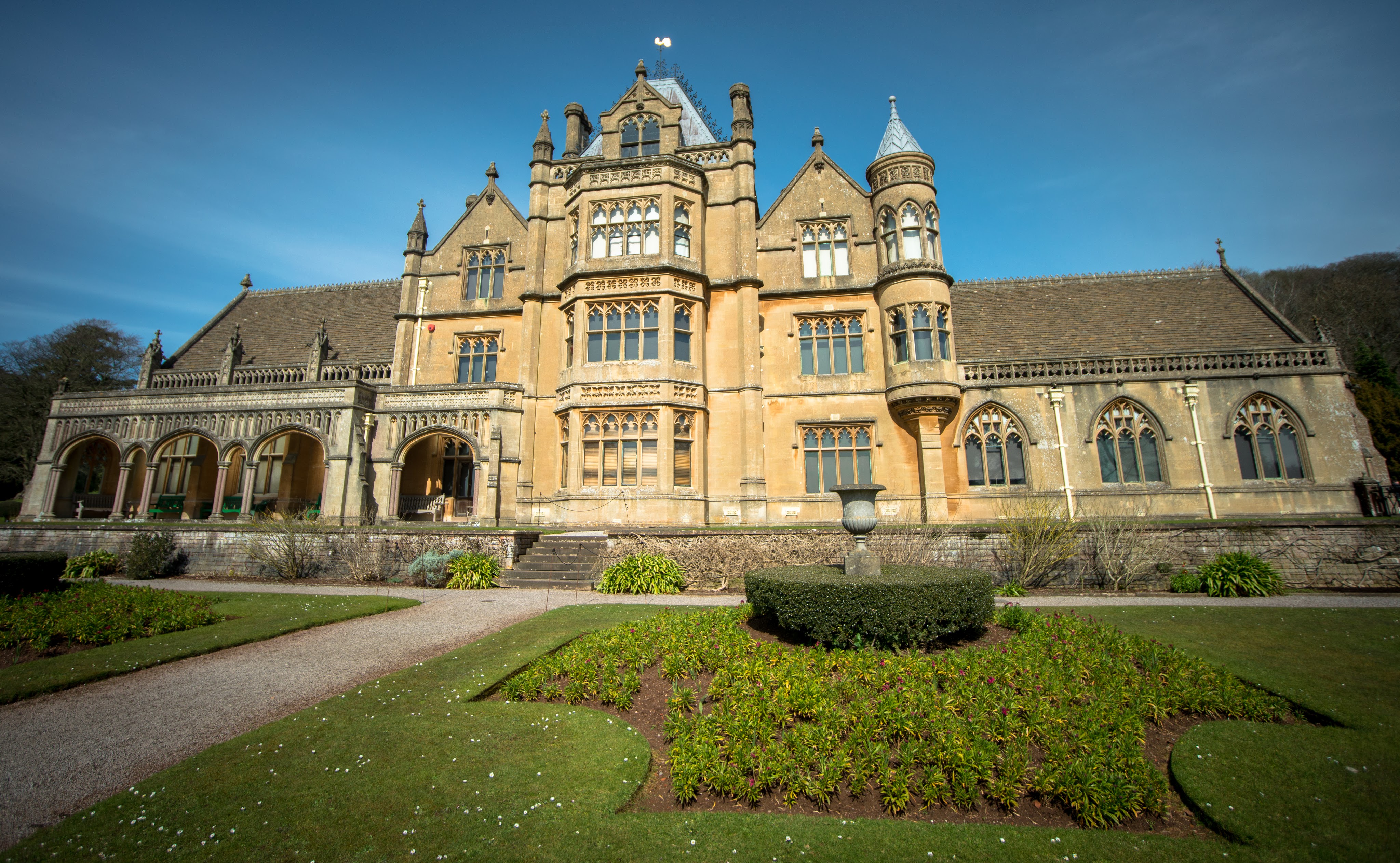
Hace unas semanas vi un programa en el Channel 5 de Gran Bretaña. Se llamaba Secrets of the National Trust (Los secretos de la National Trust) en el que el presentador, Alan Titchmarsh, elogiaba a William Gibbs, el hombre que hizo construir Tyntesfield, su casa señorial.
Titchmarsh describió Gibbs como un cristiano maravilloso, un hombre amable y respetable, un hombre que había amasado una fortuna de una manera tanto ingeniosa como cómica: se le había ocurrido importar a Inglaterra una cantidad ingente de caca de pájaro del Perú, y lo había hecho unos 74 años antes de que se abriera el canal de Panamá; había traído en barco, cientos de miles de toneladas de excrementos casi 20 mil kilómetros por mar del Perú a Inglaterra y la había vendido por un dineral. ¡Qué hombre tan ingenioso e inofensivo!
Escribí a la National Trust y Channel 5 diciéndoles que cabía puntualizar que miles de chinos secuestrados tuvieron que morir en un campo de concentración para que Gibbs pudiese construir su fabulosa mansión y fue imposible que Gibbs no supiera nada de las condiciones de trabajo de los mineros. Era de conocimiento general entre los capitanes y las tripulaciones, los representantes de los exportadores (Gibbs era solo uno de muchos exportadores internacionales), los periodistas y diplomáticos. Incluso, existían fotos y dibujos del secuestro, abuso y tortura de los chinos.
Hay un buen resumen de los acontecimientos en inglés en The History of the Peruvian Guano Industry y se lo puede encontrar en el blog Jeff’s Travels at https://yaffle53.wordpress.com/2014/05/22/a-history-of-the-peruvian-guano-industry/. Incluye fotos y dibujos de la época.
Gibbs sabía lo que hacía, pero se sentía protegido por la ética cristiana victoriana. En la Gran Bretana del siglo 19 la desigualdad racial era un hecho aceptado. Sí, se había abolido la esclavitud negra pero eso no quería decir que los victorianos creyeran que la gente negra fuera su igual. Los negros eran reconocidos como seres humanos pero no eran los iguales del hombre blanco. Eran los recipientes de la simpatía de los abolicionistas, pero, al fin y al cabo, pertenecían a una raza inferior. No merecían ser tratados como animales pero eso no quería decir que tuvieran el derecho de considerarse los iguales del hombre blanco. Así fue con los chinos también.
Desde esa creencia generalizada en la inferioridad de otras razas fue un paso muy corto al desprecio. Y el desprecio por otros seres humanos lleva rápidamente a una indiferencia a su destino y lo que pudieran sufrir antes de su muerte.
Como buen cristiano, William Gibbs rezaba y se dejaba guiar por Dios. Todo formaba parte del eterno plan del Señor para el desarrollo del mundo. Según la lógica del día, Dios había creado los animales para servir a los seres humanos y había creado las razas humanas inferiores para ser instruidas y dominadas por los blancos. Por desgracia, algunos tendrían que dar su vida por el mayor beneficio de la humanidad (es decir, la humanidad blanca) y así cumplir la voluntad de nuestro Hacedor.
Recibí contestas de las oficinas de atención al cliente. Las dos respuestas, tanto la del Channel 5 como la de la National Trust tienden a ser algo formulaicas: están escritas en el lenguaje de las relaciones públicas; están diseñadas a tener un efecto tranquilizador; emplean eufemismos en vez de llamar las cosas por su nombre.
La portavoz de la National Trust escribió así:
“Somos conscientes por toda la National Trust que nos queda más por hacer en el análisis de las fuentes de la riqueza detrás de los edificios de que somos los guardianes. El programa se rodó hace 2 años y siguió la pauta según la cual representábamos a la casa y la familia en aquel entonces. Ahora, en todas las posesiones de la National Trust, estamos acelerando nuestros esfuerzos para investigar y destacar los lazos al colonialismo y la esclavitud, y como se adquirieron las riquezas que permitieron su construcción. Ahora en Tyntesfield estamos intentando hablar más sobre la historia horrorosa de la industria guanera y como la familia Gibbs se benefició de ella. El año pasado, por ejemplo, se presentó en Tyntesfield una muestra fotográfica de Olli Hellman, “$tow High en Transit”, que destacó la disparidad entre la riqueza de Tyntesfield y la decimación de las islas Chincha en que se minaba el guano. Esta muestra era temporal. Sin embargo, la interpretación continúa para que se asegure que podemos presentar una historia fiel, abierta e inclusiva de la mansión y sus lazos a la industria guanera.
A fin de abordar sus inquietudes, hemos hablado con los de Channel 5, y le van a escribir a usted, informándole que van a introducir una modificación al programa que refleje este punto de vista.
Por último, puede interesarle saber que a mediados de septiembre vamos a publicar un informe que destaca los lazos entre la esclavitud y el colonialismo en nuestros lugares en Inglaterra, Gales y el Norte de Irlanda; además este informe nos permitirá a poner al día las páginas web de nuestras propiedades y las explicaciones que se ofrezcan en los edificios mismos.
Gracias por tomar el tiempo para escribir a nosotros, y por compartir sus inquietudes. Espero que usted quede asegurado que hayamos hecho un compromiso para garantizar que estas historias se cuenten entera y honestamente.”
Ella dice que “El programa se rodó hace 2 años y siguió la pauta según la cual representábamos a la casa y la familia en aquel entonces”. Evidentamente, la portavoz no ha leído la guía de la National Trust de 2020 en la que se dice que la casa “fue creada para la familia Gibbs para que celebraran sus logros, criaran a sus hijos y compartieran su dedicación a la familia y la fe” y la historia de William es de “un amor joven …..una familia estrechamente unida, y la creación de una gran fortuna”.
No, aquí en la guía actual, no hay ninguna mención de los chinos que obligaron a trabajar hasta que murieran.
En su email la portavoz escribe también de la exposición, $tow High in Transit, una decena de yuxtaposiciones fotográficas en las que se contrastaban la riqueza de la casa y el jardín de Tyntesfield con los estériles y cáusticos entornos de las islas Chincha. Estas fotos estaban expuestas en caballetes esparcidas por toda la casa. No tenían ni explicación ni pies y no ilustraban la vida de los mineros. A falta de ninguna otra explicación, habría sido muy fácil que un visitante a la casa concluyera de las fotos que William Gibbs era nada menos de un genio y prestidigitador que había hecho aparecer una fortuna como por arte de magia y sin causar daño a nadie.
Es todavía más difícil creer que la National Trust haya hecho borrón y cuenta nueva cuando acaban de grabar, hace unas semanas, otro programa sobre Tyntesfield en el que incidieron en los mismos errores de siempre. Esta vez lo han hecho en colaboración con el Channel 4. En la última entrega de George Clarke’s National Trust Unlocked (13/09/20) le pintan a William Gibbs como un comerciante muy exitoso que hizo su agosto vendiendo un montón de caca de pájaro. Una vez más, vemos la misma inocencia y los mismos tópicos, oímos la mismísima “nota de humor” y oímos la misma versión expurgada de lo que realmente pasó. Qué reconfortante.
Los del Channel 5 me enviaron esto:
“Channel 5 agradece todas las opiniones de sus espectadores y gracias por tu email y tus observaciones acerca de Tyntesfield y sus vínculos con los mineros esclavidos. Hemos examinado esta cuestión. Rodamos este programa hace más de un año y nos dejamos guiar por la Trust y la manera en la que, en aquel entonces, ellos presentaban la historia de la casa y la familia. No creemos que el programa fuera engañoso, pero sí reconocemos que era lamentable no reconocer la pésima situación de los trabajadores que cosechaban el guano. Tenemos entendido que la Trust ahora está reconsiderando la manera en que se presenta el pasado de sus propiedades, y está acelerando sus esfuerzos para investigar y presentarlo al público en el contexto de las historias mundiales, explicando a la vez, las fuentes de la riqueza con las que los edificios se construyeron y se amueblaron. A fin de reflejar eso, vamos a añadir una ficha al programa para explicar este aspecto de la historia y la respuesta de la Trust. De vez en cuando Los secretos de la National Trust tiene un estilo bastante desenfadado y el programa se concentra en las casas y sus secretos físicos, pero, sobre las tres series el programa ha reconocido los vínculos a la esclavitud y las relaciones con el pasado imperial británico. Sin embargo, lamentamos que no lo hicimos en este caso particular. Te agradecemos que hayas llamado nuestra atención a este punto.”
Pedí dos veces una clarificación del término “añadir una ficha” pero el personal de Channel 5 no se dieron la molestia de responder. Creo que se trata de insertar un texto, un comentario o talvez un enlace a una página web.
El portavoz dice también que “era lamentable no reconocer la pésima situación de los trabajadores que cosechaban el guano”. Cosechar es un verbo que suscita imágenes románticas de campesinos que siegan campos de trigo dorado o recogen a mano las frutas y verduras de una huerta. Cosechar no es un verbo que describe la realidad de los mineros de las Chinchas quienes fueron forzados a trabajar en condiciones infrahumanas hasta que murieran de agotamiento, tortura y enfermedad. El mero uso del verbo indica la falta de comprensión por parte del portavoz.
Este es un tema central de la historia de Tyntesfield. No es suficiente que añadan una ficha. El programa debería volverse a grabar para explicar debidamente la verdadera relación entre Tyntesfield y la manera en la que se amasaron los fondos para su construcción.
 Ingleses