The English: A Suitable Case for Family Therapy

Image by scray via Wikimedia Commons

Not long ago an article appeared in El País in which the author examined the British custom of saying sorry all the time. She had read a study which established that we say it an average of eight times a day, although some of us do it up to twenty times. Instead of asking forgiveness for our behaviour (I am not an apologist for aspects of our culture), I would like to point out that this obsession can be used to therapeutic advantage.

In the eighties I used to work in a psychiatric day hospital. Our patients were not the florid psychotics who had to be detained for their own good or for the protection of others, but those who were suffering from affective disorders associated with dysfunctional personal relationships.

Our task in the hospital was to do everything possible to reduce the number of psychological problems that were clogging up GP surgeries. It is estimated that up to fifty percent of patients who turn up at the doctor’s have psychosomatic problems and this high percentage hampers GPs in their work of treating the more physical illnesses. There aren’t enough hours in the day for the average GP to attend and listen to the many patients who are demonstrating the signs and symptoms of a neurotic complaint.
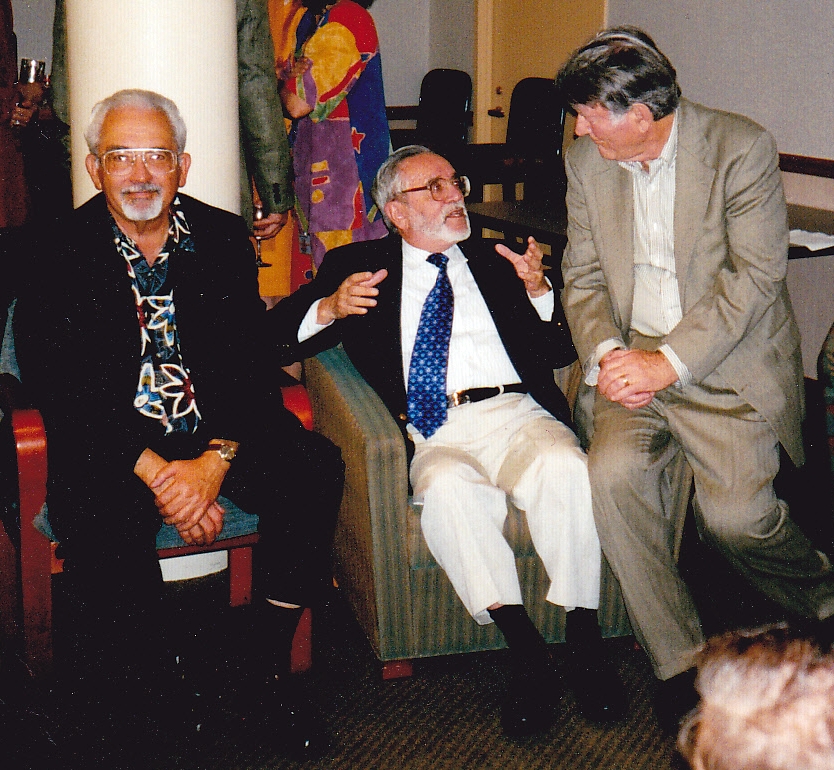
Three family therapists: Braulio Montalvo, Salvador Minuchin y Jay Haley. Photo by Jamespkeim via Wikimedia Commons

We used various methods to intervene in the lives of our patients. The most important was family therapy. We followed a model developed by Salvador Minuchin, an Argentinian psychiatrist of Judeo-Russian descent who practised in the USA during the second half of the twentieth century. He became famous in the seventies for the development of his structural family therapy which emphasised the inclusion of all members of the family, even the children. This incorporated a democratic element into all our interviews. Everyone, whatever their age, had a valid point of view regarding the smooth operation of the family and the subsequent recuperation of the afflicted individual. The premise was that everyone was part of the problem and everyone had to play a part in the resolution of the problem.

The role of the therapist was to integrate himself in the family and to direct questions to all the members in order to elicit the dysfunctional elements. At no time were the signs and symptoms of the identified patient tackled directly. We avoided all discussion of the peculiarity of the so-called sick person.

The inclusion of the whole family was conducive to the deconstruction of the rows which broke out habitually and which apportioned blame and concentrated anguish in one of the members. We concentrated on the day to day life of the family. Very often we focussed in on a banal episode which had given rise to a fierce yet inconclusive row.

One of the tricks we used was the apology. We combined this with mock sincerity. We would say things like, “You will have to excuse our ignorance. We haven’t the slightest idea what is going on here. Forgive us but it is too soon for us to have arrived at a conclusion”. We took advantage of the British pathological desire to excuse oneself and to be excused. In this country everyone is entitled to ask for pardon on any occasion for whatever offence we might have committed, however small it might be. It is a well-respected right. And our families always fell for it.

We never assumed the role of experts. We relegated ourselves to the same level as all the members of the family. This way they felt freer to express what they were thinking. This unleashed some rows, some of them pretty big. We never ever asked what the problem was because if the family had known what the problem was they would have solved it long ago.

We never criticised anybody. We simply reformulated negative characteristics as positive qualities. We would refer to an unintelligent or insensitive father as a practical man whereas an overbearing woman might become a good organiser. We would call a rude child funny or amusing.

We also took advantage of a universal human characteristic, that of being very susceptible to the power of contrasuggestion. That is, we are all somewhat rebellious and we all have a tendency to want to do the opposite of what we are advised.

Take this simple example. A family came to see us that had been to the GP’s surgery on many occasions. There was a young woman in the family who seemed to have lost her speech (the whole family turned up for the interview). Moreover, she had been in this condition for the past year. It was clear that the girl was not complaining of any physiological or medical symptoms and she hadn’t suffered any injury to her vocal chords. The family believed that she had gone mad but to us it was quite obvious that the girl had sunk into an elective mutism (that is, she hadn’t lost her speech, she had simply chosen not to speak). In the initial interview we apologised for not understanding the situation and, given that it had already gone on for a year, we predicted that there would not be a quick and easy answer and that they would have to accept our apologies and exercise a great deal of patience because our intervention might be a long while in producing a result. The girl was talking freely in just a few days.

The therapist never acted alone. The interviews were discretely filmed and the conversations with the families were transmitted live to a panel of doctors, social workers and psychiatric nurses who followed their progress remotely. The therapist always had an earpiece through which he or she could receive the observations, the instructions, the doubts and the questions of his or her colleagues.

I understand very well that our effusive apologies produce distaste and annoyance in certain countries. For example, if we do it in Spain our British good manners are counterproductive: so many pleases, thank yous and apologies sound ridiculous to the Spanish ear. We do it with the intention of ingratiating ourselves with our hosts but we shoot ourselves in the foot. We end up losing the respect of the people whom we are trying to impress.

But for us in the family therapy team, years ago in the psychiatric day hospital, the traditional British apology served us exceptionally well.
Los ingleses: un caso adecuado para la terapia familiar

Imagen por scray via Wikimedia Commons

Hace unos años apareció en El País un artículo en el que la autora examinaba la costumbre británica de estar todo el día diciendo “sorry” (perdón, disculpa). Ella había leído un estudio que constató que lo decíamos una media de ocho veces al día, aunque algunos de nosotros llegábamos a hacerlo hasta veinte veces. En vez de pedir disculpas por nuestro comportamiento (no soy apologista de aspectos de nuestra cultura), me gustaría decir que se puede aprovechar de esta obsesión para fines terapeúticos.

En los años ochenta yo trabajaba en un hospital psiquiátrico de día. Nuestros pacientes no eran los psicóticos floridos que tenían que ser detenidos por su propio bien o por la protección de otros, sino los que padecían trastornos afectivos asociados con sus relaciones personales disfuncionales.

Nuestra tarea en el hospital era la de hacer todo lo posible para reducir la cantidad de problemas psicológicos que atascaban las salas de espera de los consultorios de los médicos de cabecera. Se estima que hasta un cincuenta por ciento de los pacientes que acuden al médico tienen problemas psicosomáticos y ese porcentaje tan elevado impide que el médico lleve a cabo su trabajo de curar las enfermedades más físicas. El típico médico de cabecera no dispone de las horas necesarias para entender y atender a todos los muchos pacientes que manifiestan síntomas y signos de un trastorno neurótico.

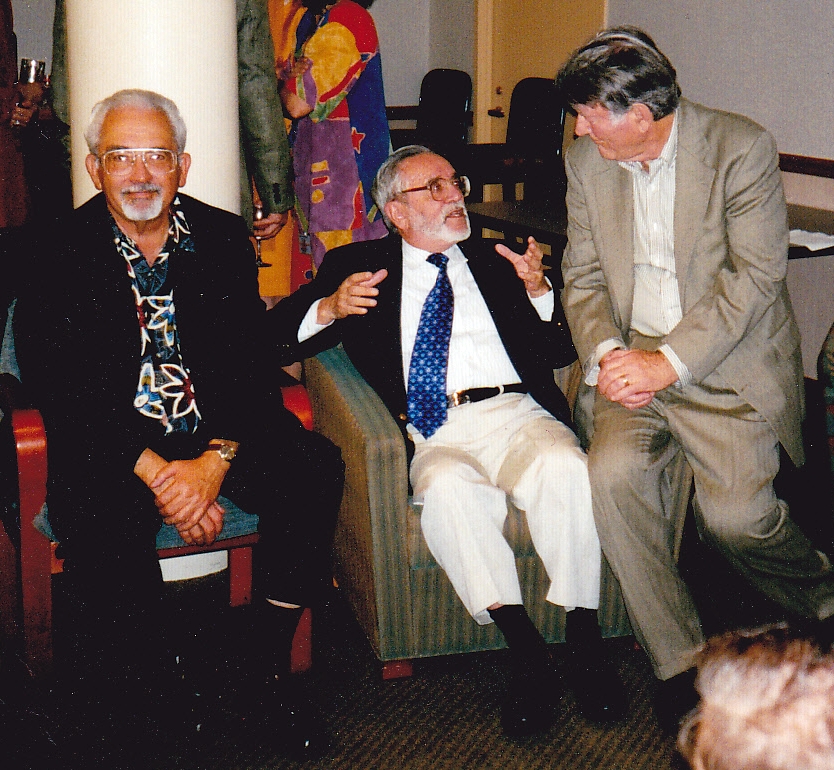
Tres terapeutas familiares: Braulio Montalvo, Salvador Minuchin y Jay Haley. Foto por Jamespkeim via Wikimedia Commons

Practicamos varios métodos de intervención en las vidas de nuestros pacientes. El más importante era la terapia familiar. Seguimos un modelo evolucionado por Salvador Minuchin, un psiquiatra argentino de origen judío-ruso, que trabajaba en EEUU durante la segunda mitad del siglo veinte. Se hizo famoso en los años setenta con la elaboración de su terapia familiar estructural que hacía hincapié en la inclusión de todos los miembros de la familia, hasta los niños. Así se incorporó un elemento democrático a todas nuestras entrevistas. Cada uno, cualquiera que fuera su edad, tenía un punto de vista válido en relación con el buen funcionamiento de la familia y la consiguiente recuperación del individuo afligido. La premisa era que todos formaban parte del problema y todos tenían que desempeñar un papel en la resolución del problema.

El papel del terapeuta era el de integrarse en los sistemas de interacción de la familia y dirigir preguntas a todos los miembros destinadas a desvelar los elementos disfuncionales. En ningún momento se abordaban directamente los síntomas del paciente identificado. Evitábamos toda discusión sobre la singularidad del llamado enfermo.

La inclusión de toda la familia era propicia a la desconstrucción de las broncas que tenían lugar habitualmente y que echaban la culpa y centraban la aflicción en uno de sus individuos. Concentrábamos en el día a día de la familia. Muchas veces nos enfocábamos en los detalles de un episodio banal que había dado lugar a una discusión fuerte pero inconclusa.

Uno de los trucos que utilizábamos era la disculpa. Mezclábamos este con una falsa sinceridad. Decíamos cosas como, “Tendréis que disculparnos por nuestra ignorancia. No tenemos la más mínima idea de lo que esté pasando por aquí. Perdonadnos, pero es muy pronto para que lleguemos a una solución.” Nos aprovechábamos del deseo patológico británico de disculparse y ser disculpado. En este país todos tenemos el derecho de pedir perdón en toda ocasión por cualquier ofensa que hayamos cometido, por leve que sea. Y es un derecho muy respetado. Y nuestras familias siempre se tragaron el cuento.

Nunca jugamos el papel del perito. Nos relegamos al mismo nivel de todos los miembros de la familia. Así se sentían más libres para decir lo que estaban pensando. Así se desataban unas discusiones a veces muy fuertes. Y nunca jamás preguntamos cuál era el problema porque si la familia hubiera sabido cuál era el problema hacía mucho tiempo que lo habría resuelto.

Nunca criticamos a nadie. Sólo reformulamos las características negativas en cualidades positivas. A un padre poco inteligente o insensible nos dirigíamos llamándole práctico, a una señora mandona podríamos referirnos a ella llamándole una buena organizadora. A un chico impertinente le llamaríamos gracioso.

Nos aprovechábamos también de una característica humana universal, la de ser muy susceptible al poder de la contra-sugerencia. Es decir, somos todos un poco rebeldes y todos tenemos una tendencia a querer hacer todo lo contrario a lo que se nos aconseje.

Pongo un ejemplo sencillo. Vino a vernos una familia que ya se había presentado en el consultorio de su médico de cabecera en muchas ocasiones. Dentro de la familia (todos acudieron a la entrevista) había una joven que parecía haber perdido el habla. Aún más, había estado en esta condición desde hacía un año. Claro que la chica no se quejaba de ningunos síntomas fisiológicos o médicos y no había sostenido ninguna lesión a sus cuerdas vocales. La familia creía que ella se había vuelto loca pero para nosotros estaba bien claro que la chica estaba sumida en un mutismo electivo (es decir que no había perdido el habla sino que había decidido que no hablaría). En la entrevista inicial nos disculpamos por no entender la situación y, dado que ya se había prolongado durante un año, predecimos que un problema que ya había durado tanto tiempo no tendría una solución rápida ni fácil y ellos tendrían que aceptar nuestras disculpas y ejercer mucha paciencia porque podría ser que nuestra intervención pudiera demorarse mucho en dar resultados. La chica estaba hablando libremente en cuestión de días.

El terapeuta nunca actuaba sólo. Las entrevistas con las familias se filmaban de modo discreto y transmitidas en vivo a un panel de médicos, asistentes sociales y enfermeros psiquiátricos que observaban y supervisaban el desarrollo de la terapia desde lejos. El terapeuta siempre llevaba un auricular por el cual recibía las observaciones, las instrucciones, las dudas y las preguntas de sus colegas.

Entiendo muy bien que en ciertos países, cuando los ingleses nos deshacemos en disculpas, solo provocamos disgustos y desagrado porque damos la impresión de ser una pobre raza de individuos pusilánimes. Por ejemplo, si lo hacemos en España nuestros «buenos modales británicos» nos resultan contraproducentes: tantos por favores, gracias y disculpas parecen ridículos al oído español. Lo hacemos con la intención de congraciarnos con nuestros anfitriones pero el tiro nos sale por la culata. Acabamos perdiendo el respeto de las propias personas a las que intentamos impresionar.

Pero, para nosotros en el equipo de terapia familiar, hace muchos años en el hospital psiquiátrico de día, la tradicional disculpa británica nos servía excepcionalmente bien.